Norbert Skokauskas
Global Child and Adolescent Mental Health Perspectives
Professor Norbert Skokauskas will present a talk on Global Child and Adolescent Mental Health Perspectives, exploring current challenges, emerging trends, and opportunities for advancing the mental health of children and young people across diverse cultural and health system contexts. Drawing on his international experience with the World Psychiatric Association, WHO initiatives, and global research collaborations, he will discuss strategies to strengthen services, workforce development, and equitable access to mental health care.
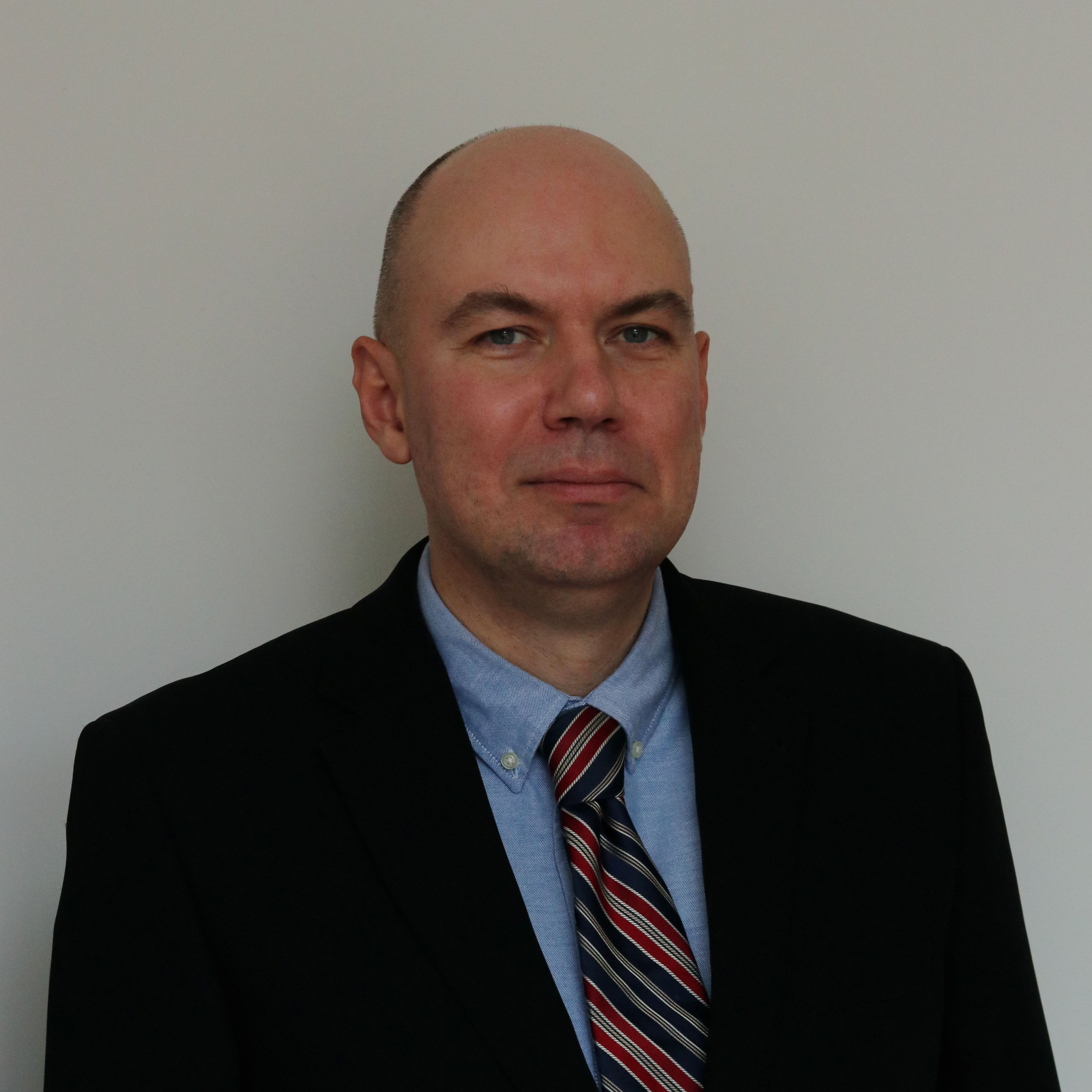
Dr. Norbert Skokauskas, MD, PhD, is a Professor of Child and Adolescent Psychiatry at the Centre for Child and Adolescent Mental Health and Child Protection at NTNU (Norwegian University of Science and Technology), Norway. Dr. Skokauskas serves as the Secretary for Education and Scientific Publications at the World Psychiatric Association (WPA) and is also an editor of “Education and Psychiatry”.
James Scott
Child maltreatment and the associated outcomes: The Australian Child Maltreatment Study
The results of the Australian Child Maltreatment Study (ACMS), the first national survey to measure the prevalence of the five forms of child maltreatment and the associated health and social outcomes will be reported. Strategies to reduce maltreatment and to prevent interpersonal harm and conflict in families will be discussed.

James Scott is the Conjoint Professor of Child and Youth Psychiatry at the University of Queensland and Children's Health Queensland. He has established a programme of research developing preventative strategies and interventions for mental illness in children and youth. He has published in excess of 370 peer reviewed papers and in 2025 was the inaugural recipient of the Royal Australian and New Zealand College of Psychiatrists Section of Youth Mental Health Excellence Award for his work supporting the mental health of young people.
Sven Bölte
Psychiatry 2.0 in autism and ADHD – from categorical overfocus to personalized functioning implementing WHO’s ICF system
Despite broad agreement that autism and ADHD are heterogeneous, dimensional conditions requiring individualized support, practice still relies heavily on categorical medical models (ICD-11/DSM-5), which can hinder effective action, misguide expectations, and strain services. The WHO’s ICF offers a complementary and more holistic, practical alternative by focusing on functioning, strengths, and environmental factors, enabling more meaningful, individualized planning—an approach this lecture will introduce, especially for autism and ADHD.
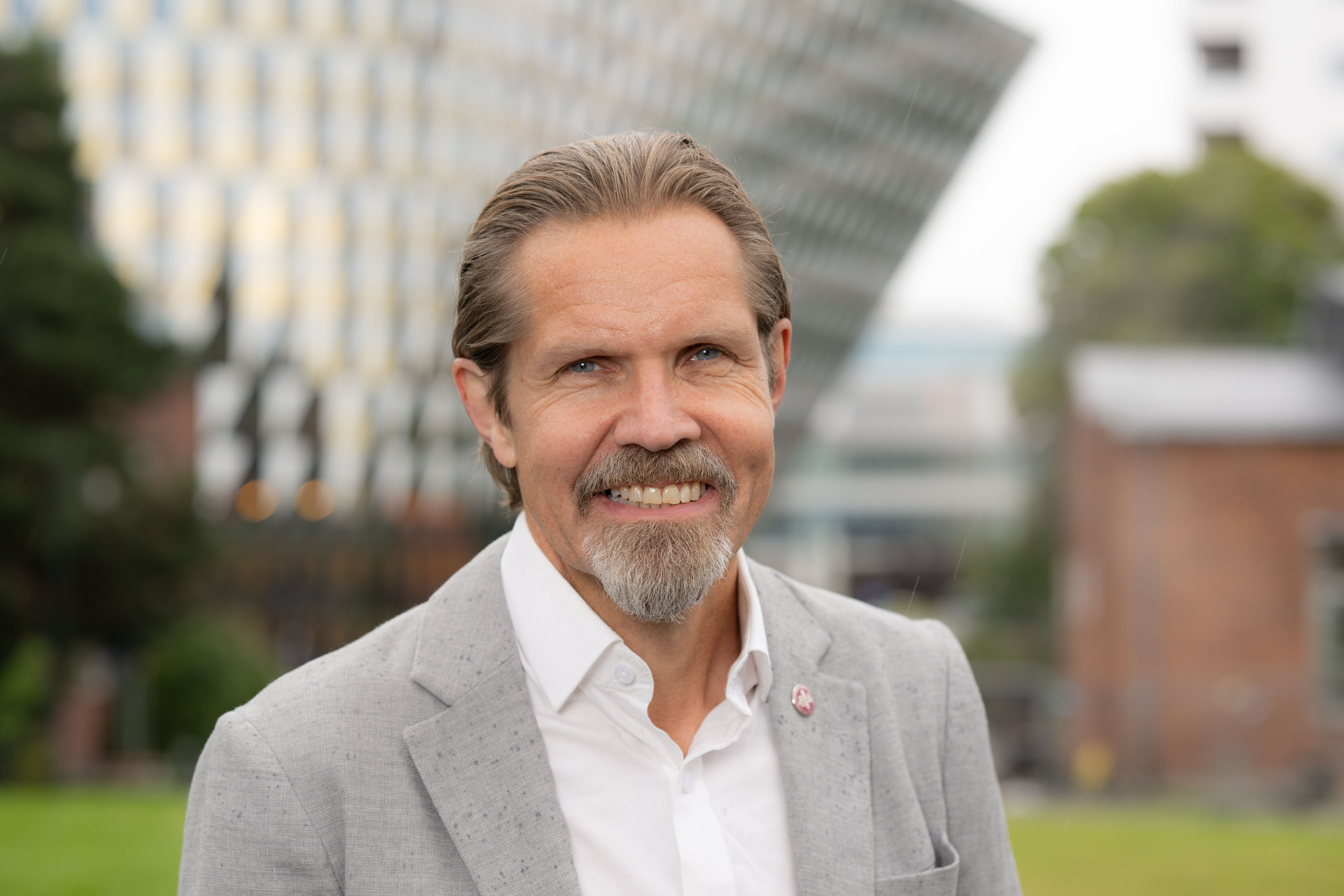
Sven Bölte, Ph.D., is professor of child and adolescent psychiatric science at the Department of Women’s and Children’s Health, Karolinska Institutet (KI), and senior clinical psychologist at the Division of Child and Adolescent Psychiatry, Center for Psychiatry Research, Stockholm County Council, Sweden. He is director of the KI Center of Neurodevelopmental Disorders (“KIND”) and editor of the Scandinavian Journal of Child and Adolescent Psychology and Psychiatry.
Professor Bölte has published more than 500 original articles, reviews, book chapters, assessment and intervention tools in the field of autism spectrum, ADHD, and other neurodevelopmental conditions, and has been cited more than 46,000 times (H-index 104). In collaboration with the WHO and the ICF Research Branch, he leads the development and implementation of the International Classification of Functioning (ICF) Core Sets for autism and ADHD.
Keiko Yoshida
Perinatal Mental Health: Perspective of Life Course Psychiatry
How to carry out research for improvement of clinical practice and mental care system will be presented. We need to be aware of the impact of mental health in the perinatal period on the well-being of children and the next generation.
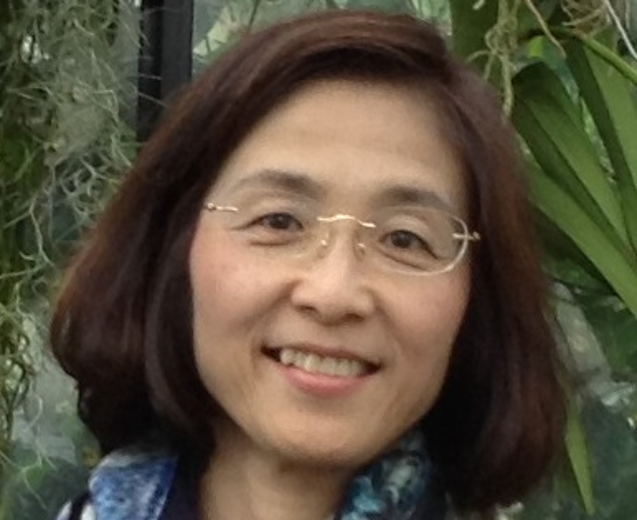
Keiko Yoshida is a perinatal and child psychiatrist working as a director of Iris Psychiatric Clinic and Professor at Kyushu University Japan. In the 1990s, she was a research grant holder at the perinatal section, the Institute of Psychiatry, Psychology and Neuroscience at King’s College London. The study was pharmacokinetics of psychotropic drugs of breast-fed babies. For the last 25 years, Yoshida’s research shifted from cross-cultural study on postnatal depression to bonding disorder. In parallel, in Kyushu university hospital, Yoshida set up an integrated multidisciplinary clinical research team consisting of obstetric, pediatric and psychiatric staff to follow developmental prognosis of their offsprings.
Rosanna Irene Comoretto
Large-scale school surveys in adolescent well-being and mental health research: opportunities and methodological challenges
Large-scale school surveys offer a population-level perspective on adolescent well-being and mental health, enabling the monitoring of trends, inequalities and emerging challenges over time. Drawing on the Italian experience with the Health Behaviour in School-aged Children (HBSC) study, the talk will discuss the opportunities and methodological challenges of using survey data to understand changes in adolescent well-being and mental health.
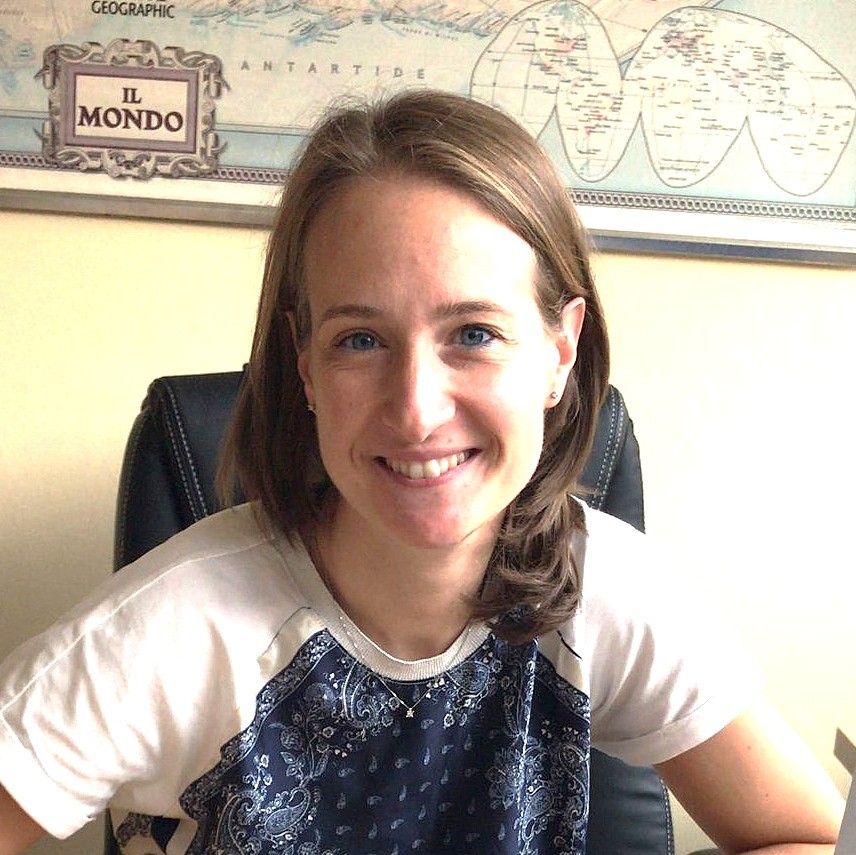
Rosanna Irene Comoretto is Assistant Professor of Medical Statistics at the Department of Public Health and Pediatrics, University of Turin, Italy. She holds a PhD in Public Health and Biostatistics, and her research focuses on the design and statistical analysis of epidemiological studies across different research areas, including public health, paediatrics, and mental health. She has particular expertise in biostatistical methods, population-based research and the analysis of health and well-being data.
Comoretto is a member of the Italian team of the WHO collaborative Health Behaviour in School-aged Children (HBSC) study, where she contributes to the analysis and interpretation of population-based data on adolescent health and well-being. Her work focuses on using large-scale survey data to investigate health behaviours, well-being, and emerging health challenges among adolescents.
Laura Korhonen
Psychosocial problems, service barriers, participation and interventions during crises in Nordic countries – findings from NordForsk funded consortium
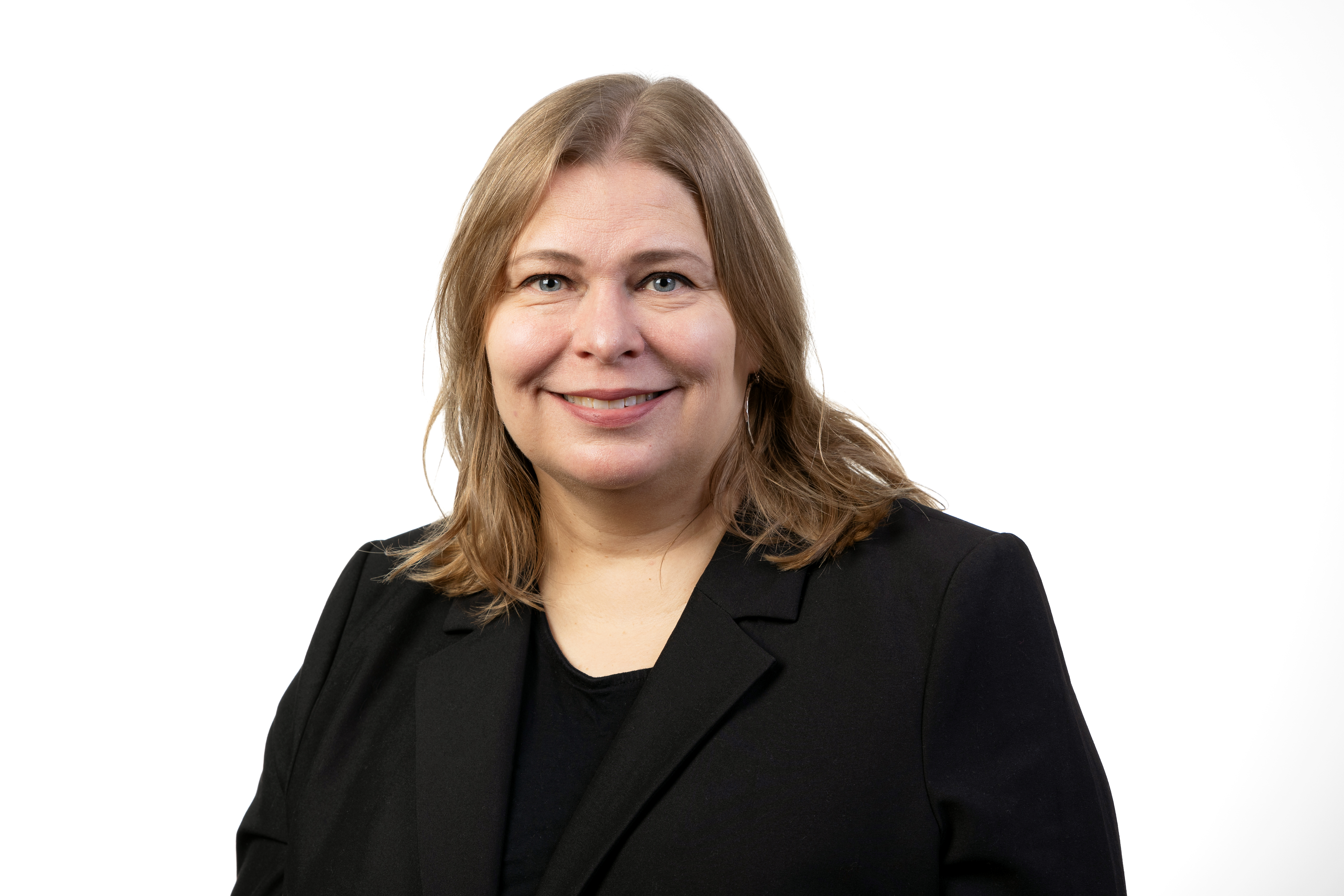
Laura Korhonen, MD, PhD, eMBA, is Professor of Child and Adolescent Psychiatry at Linköping University, Research Director at the Psychiatric Centre in Region Östergötland, and Head of Barnafrid, Sweden’s National Centre on Violence Against Children. Her research focuses on child and adolescent mental health, violence and trauma, child protection, refugee health, and the development of effective support systems for vulnerable children and young people. She leads several national and international research collaborations and has extensive experience in translating research into policy and practice.
Sigita Lesinskienė
Child and adolescent mental health perspectives in Baltic region in times of the global crises
Child and adolescent mental health services in the Baltic States have undergone remarkable development since the restoration of independence, supported by close collaboration with the Nordic countries. This presentation will explore how the ongoing war in Ukraine and current geopolitical tensions have affected children, adolescents, families, and mental health professionals, while highlighting key achievements, research findings, and future perspectives/challenges in the region.
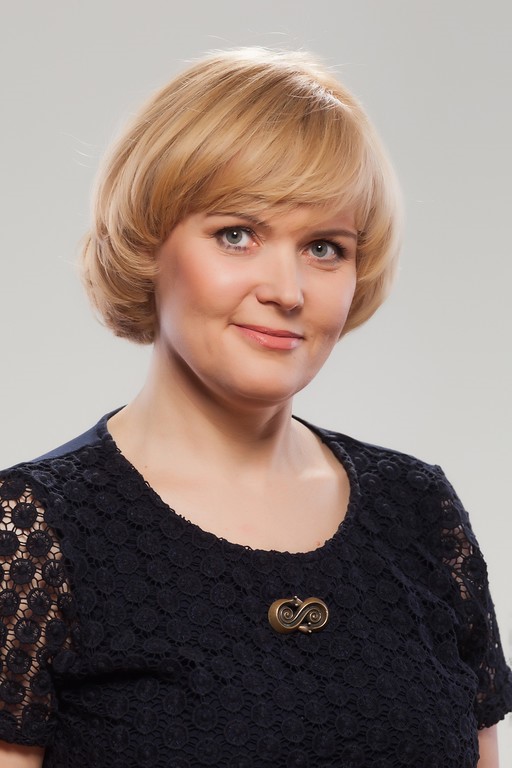
Professor Sigita Lesinskiene is a child and adolescent psychiatrist, researcher and lecturer. Leads Clinic of Psychiatry, Institute of Clinical Medicine, Faculty of Medicine, Vilnius University, Lithuania.
Past president of the Lithuanian Society of Child and Adolescent Psychiatrists. 2010 -2014 member of IACAPAP (International Association of Child Adolescent Psychiatry and Allied Professions) Executive Committee (assistant), 2014-2018 vice president and regional coordinator of the IACAPAP for Eastern Europe countries. Project leader in the number of national and international research projects.
André Sourander
Digital interventions in public mental health
This talk highlights the development, evaluation, and implementation of evidence-based, low-threshold digital solutions with high public health impact. Particular attention is given to interventions targeting critical developmental and transitional periods in childhood and early adolescence.
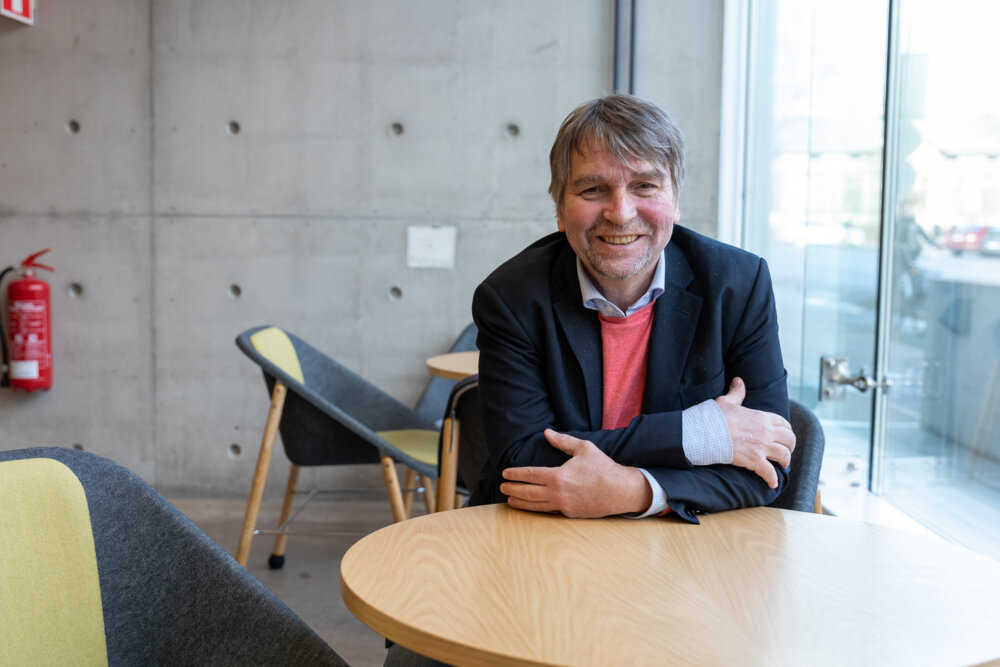
André Sourander is a professor and chief physician in child psychiatry at the University of Turku and Turku University hospital. He is the founder and leader of the Research Centre for Child Psychiatry, established in 2009.
Sourander’s research activity focuses on time trends of psychiatric problems and service use, large birth cohort studies, population-based studies, international multi-site research and intervention studies. He has special expertise in prenatal epidemiology, developmental approaches and investigating the long-term outcome of psychiatric disorders as well as developing clinical methods, family oriented early interventions, RCT and implementation studies of web-based interventions.