Samar
Hafeez
Contact
Links
Areas of expertise
Biography
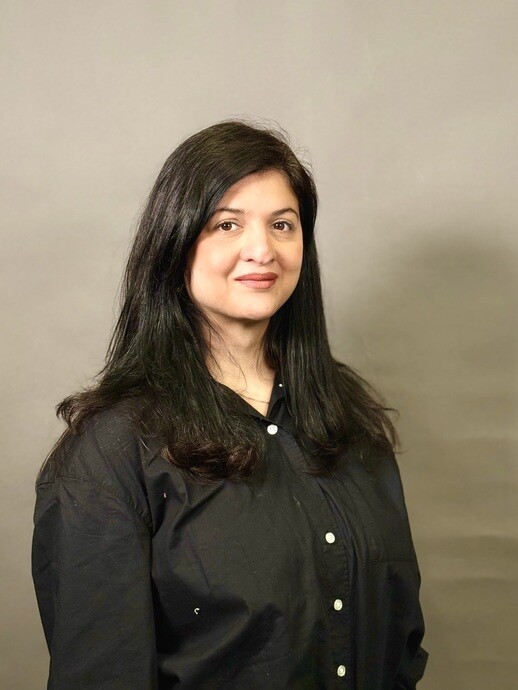
Samar Hafeez is a Doctoral Researcher in International Business at the Turku School of Economics, University of Turku. Her doctoral research focuses on AI affordances in remote work environments and employee well-being, with broader interests in digital work, human–AI interaction, and organisational change.
Samar has completed the Master’s Degree Programme in Inequalities, Interventions and New Welfare State at the University of Turku. Her Master’s thesis examined gender and educational gradients in fine motor skills among older adults using longitudinal SHARE data and a fixed-effects growth-curve model approach. Through this work, she developed expertise in quantitative methods, panel-data econometrics, pooled OLS, fixed-effects modelling, random-effects modelling, interaction terms, longitudinal data analysis, and ageing-related health inequalities.
Samar also holds an MPhil in Clinical Psychology from Riphah International University, Pakistan. Her previous research and professional work focus on mental health, domestic violence, social anxiety, parenting, psychological distress, counselling, and psychosocial support. She has worked as a clinical psychological counsellor, social psychologist, IELTS coach, English language teacher, and child counsellor.
Research
Samar's research focuses on the intersection of artificial intelligence, remote work, and employee well-being. Her current doctoral research examines how AI affordances shape remote work environments and influence employees' work experiences, well-being, and organisational participation.
Her broader research interests include:
- AI affordances in remote and digital work environments
- Employee well-being, work experiences, and organisational change
- Human-AI interaction and technology use in organisations
- Social and health inequalities across the life course
- Ageing, fine motor skills, and educational gradients in later-life health
- Quantitative longitudinal research using SHARE data, fixed-effects growth-curve models, panel-data econometrics, pooled OLS, random-effects models, and interaction terms
- Mental health, domestic violence, psychological distress, counselling, and psychosocial support