Research-based solutions and academic freedom strengthen democracy in technological disruption
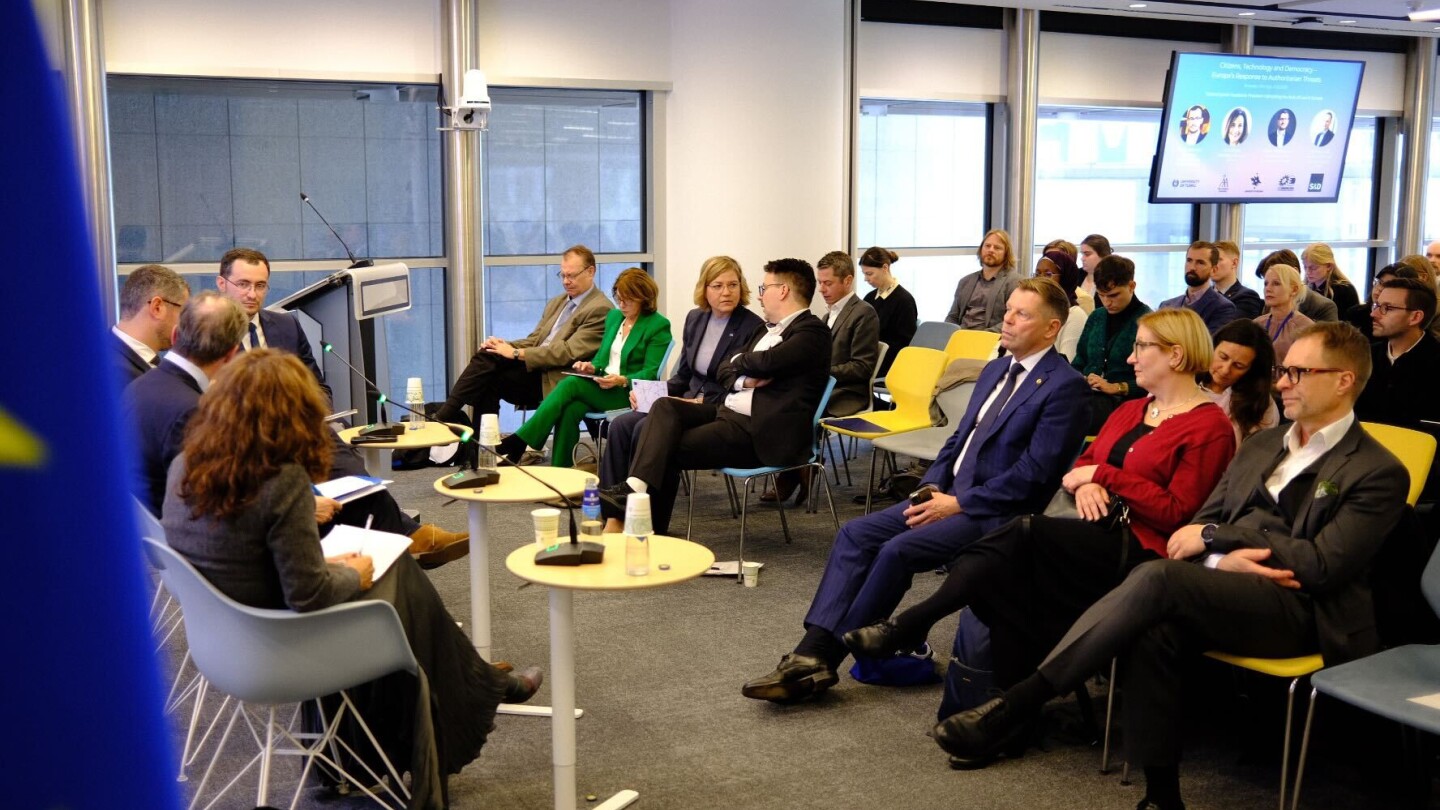
On 15 October, the University of Turku, Åbo Akademi University and the University of Helsinki brought policymakers, researchers and EU officials together at the European Parliament to discuss how Europe can strengthen the resilience of democracy in the face of technological disruption.
The event was co-hosted by Members of the European Parliament Ville Niinistö (Greens/EFA) and Lina Gálvez (S&D), Vice-Chair of the European Parliament’s Panel for the Future of Science and Technology (STOA).
The opening remarks underlined the role of universities in safeguarding critical thinking and evidence-informed decision making. Anne Portaankorva, Vice-Rector for Research at the University of Helsinki, noted that democratic freedoms and academic freedom go hand in hand, adding that Europe must remain a safe home for critical thinking. Marko Joas, Deputy Rector of Åbo Akademi University, stressed that technology alone does not strengthen democracy. Impact comes from good design, clear standards, and real accountability.

Research based innovations boost participation and trust
The first panel discussed how democratic innovations, such as citizens’ assemblies, deliberation, transparency-enhancing digital tools, algorithmic risk checks and shared metrics, could increase participation and improve decision-making processes.
Malgorzata Nikowska from the European Commission’s AI Office stressed the importance of compliance by design. Public-sector AI should incorporate risk assessment into the design phase, be transparent, and develop skills. Kimmo Grönlund, Professor at Åbo Akademi University, proposed the systematic use of citizens' assemblies at all levels of decision-making, emphasising the importance of engaging with different political views, especially in a more polarised world.
Professor Maija Setälä from the University of Turku called for combining digital tools with deliberation in ways that protect participants autonomy and ensure AI transparency. Professor Mikko Rask from the University of Helsinki proposed a Democracy Readiness Level to measure how prepared organisations are to use democracy-enhancing solutions, with strong performance rewarded, for example, through continued funding.
Academic Freedom as a pillar of the rule of law
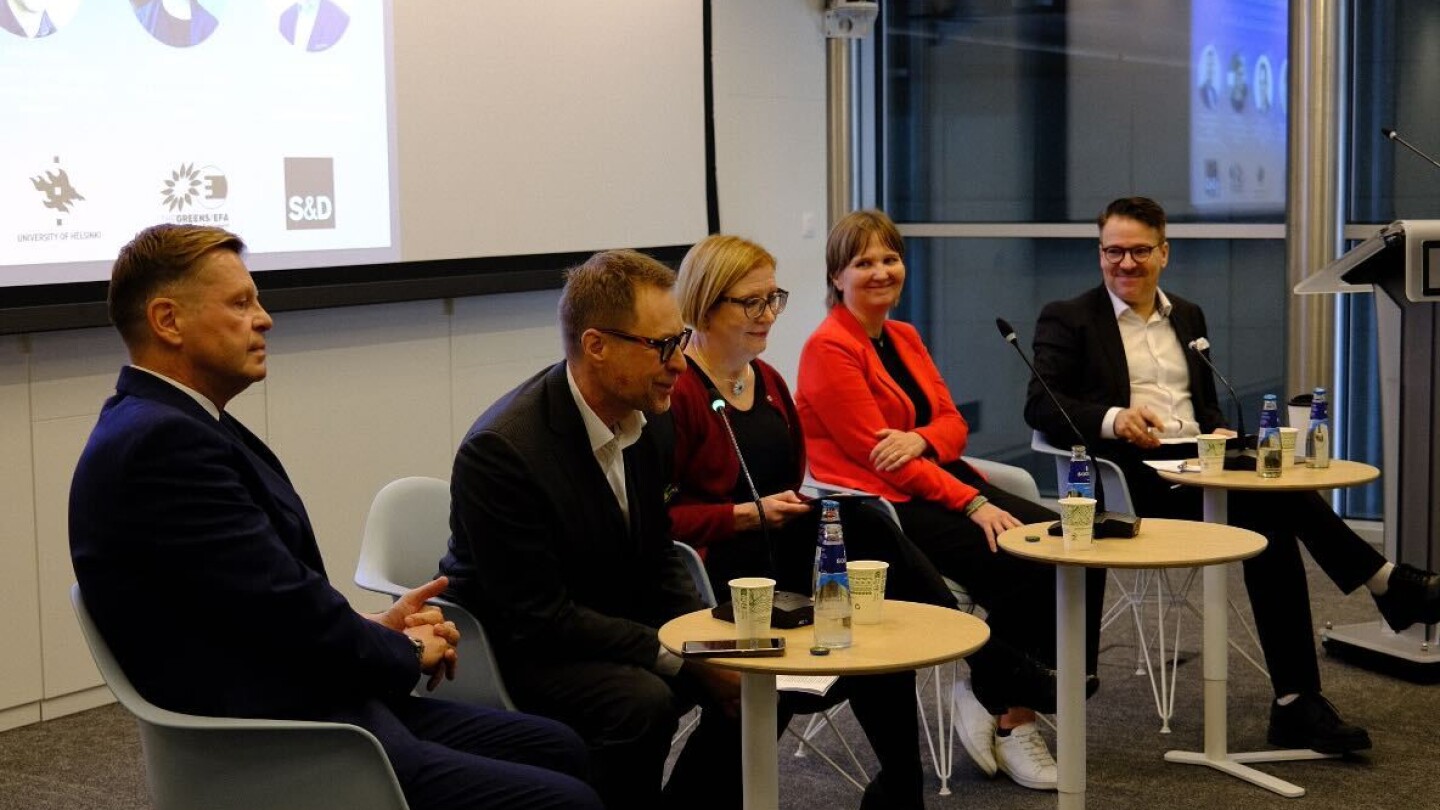
The second discussion focused on academic freedom as part of the rule of law. Professor Kimmo Nuotio from the Unversity of Helsinki argued that it should be embedded in EU rules and funding conditions. Slaven Misljencevic, from the European Commission's Directorate-General for Research and Innovation, emphasised the importance of reversing the erosion of academic freedom and noted the ongoing public consultation on the European Research Area Act, which will provide evidence on academic freedom to support decision-making. Lina Gálvez stressed that academic freedom is also an economic, competitiveness, and security issue.
The event was linked to the EU's policy framework, which includes transparency in political advertising, the Digital Services Act (DSA) and the AI Act, as well as the European Democracy Shield, which is expected in November. It aims to strengthen election integrity, improve the ability of Member States to detect and counter disinformation, and promote media literacy, fact-checking, civic participation and critical thinking. A high-level overview of these initiatives was provided in the closing remarks by Henna Virkkunen, the European Commission Vice-President for Tech Sovereignty, Security and Democracy.