Dissertation defence (Computer Science): MA Natasha Skult
MA Natasha Skult defends the dissertation in Computer Science titled “Interactive Storytelling with Quantum Computing – Exploring the New Design Practices in Interactive Storytelling Using the Emerging Quantum Technologies” at the University of Turku on 27 March 2026 at 12.00 (University of Turku, Agora Building, Auditorium XX, Vesilinnantie 3, Turku).
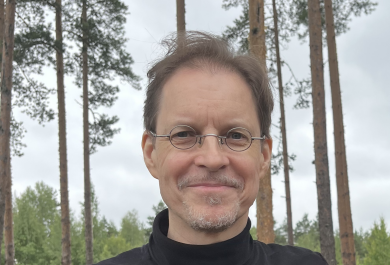
Opponent: Professor Teiko Heinosaari (University of Jyväskylä)
Custos: Adjunct Professor Jouni Smed (University of Turku)
Summary of the Doctoral Dissertation:
Quantum computing is often associated with the next big leap in technological advancement, but what does that mean for creatives and developers working with cross-platform entertainment experiences, such as games? While most research so far has focused on exploring its potential in science and industry, the opportunities for games and interactive storytelling remain largely unexplored.
This thesis provides insights into the opportunities and challenges that quantum technologies may present for game designers, and how they might change the way games are created and experienced. Unlike classical computers, quantum computers operate on entirely different principles, which could open possibilities for new types of game systems, dynamic storytelling, and richer player interactions. However, these possibilities also raise important questions: What advantages and disadvantages could quantum computing bring to game design? What challenges might game developers face when working with such unfamiliar technologies? And how might players experience stories within hybrid classical–quantum game worlds?
Through selected case studies, the thesis highlights both the opportunities and the limitations of current quantum-driven game design experimentations. The findings suggest that quantum computing could support more complex procedural generation, adaptive storytelling, and dynamic game worlds. At the same time, designers face challenges in predicting player experiences and adapting existing development workflows to the principles of quantum computing.
By combining research on interactive media, quantum computing simulations, and player experiences, this thesis provides one of the first game design focused analyses of how quantum computing might influence interactive media. The results help bridge the gap between emerging quantum technologies and the creative industries. In the long term, the findings may contribute to new forms of digital storytelling and entertainment that make use of quantum-driven systems. Beyond games, the proposed practical guidelines may also influence other interactive experiences and support designers and researchers interested in building the next generation of interactive storytelling.