Dissertation Defence (Prosthetic Dentistry and Stomatognathic Physiology): MSc Sama A. Suliman
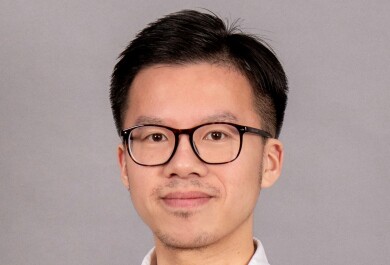
MSc Sama A. Suliman defends the dissertation in Prosthetic Dentistry and Stomatognathic Physiology titled “Erbium laser for ceramic restoration retrieval” at the University of Turku on 29 May 2026 at 13.00 (University of Turku, Dentalia, Arje Scheinin lecture hall, Lemminkäisenkatu 2, Turku).
Opponent: Professor Per Vult von Steyern (Nordic Institute of Dental Materials, Oslo, Norway)
Custos: Professor Timo Närhi (University of Turku)
Summary of the Doctoral Dissertation:
Modern dentistry increasingly uses ceramic materials such as zirconia and lithium disilicate to make crowns, veneers, and other dental restorations because they are strong, attractive, and compatible with the human body. However, when these restorations need to be removed due to failure, replacement, or further treatment, the conventional method often involves cutting them away. This can damage the restoration itself as well as the healthy tooth underneath, making the procedure time-consuming and uncomfortable for patients.
This dissertation investigated whether laser technology could offer a safer and less invasive alternative for removing ceramic dental restorations. The research focused on the Er:YAG laser, which is already used in various dental procedures, and studied its effectiveness in removing restorations made from zirconia and lithium disilicate.
The findings showed that laser-assisted removal can significantly reduce the force needed to detach ceramic restorations, making the process easier and potentially less traumatic than traditional removal methods. However, the response varied depending on the material. Lithium disilicate showed more efficient debonding because its structure allows laser energy to pass through more effectively. Zirconia responded differently depending on its thickness, composition, and translucency, with more translucent zirconia generally showing better laser response.
The research also examined whether laser treatment affects the ceramic materials themselves. Some changes were observed in surface texture, appearance, and mechanical properties after laser exposure, depending on the material type and treatment conditions. These findings highlight the importance of selecting appropriate laser settings to achieve effective removal while minimizing unwanted effects.
The practical significance of this research lies in improving patient care. A less invasive removal technique could help preserve healthy tooth structure, reduce treatment time, improve patient comfort, and in some cases allow restorations to be removed with less destruction. This would support more conservative dental treatment approaches.
Beyond direct patient benefits, this research contributes to the growing field of laser dentistry by providing scientific evidence on how different ceramic materials behave during laser-assisted removal. As ceramic restorations continue to become more common in modern dental practice, reliable and safe removal techniques are increasingly important. The findings of this dissertation may help guide future clinical protocols and encourage wider adoption of laser-assisted approaches in restorative dentistry.