From Robot Interpreters to Singing Translation Programmes
Dating, hit songs and a robot, who speaks over a hundred languages. Although all of the 50s visions of a computer’s future capabilities haven’t come true, technology is an essential part of a translator’s work these days. Computer translation can also be fun.
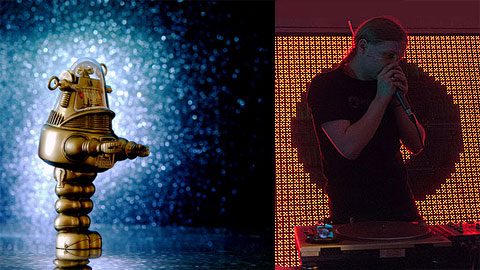
This year’s theme of the symposium on translation and interpreting was translation and technology. Jaakko Suominen, Professor of Digital Culture in the University of Turku, held the opening presentation on the popularisation of computer translation in the 1950s and 2010s. 
Suominen begins by telling that the dream in the 50s was to solve all possible problems with computers.
– They were very eager in those days to dream about the future, says Suominen.
Nowadays, finding dates via internet sitting in front of your computer is quite common, but, according to Suominen, finding the perfect prince or princess charming using a computer became a thing long ago. He tells that the vision in the 50s was that the computer just needs enough statistical data to be able to find the perfect romantic match to anyone.
As a further example of the omnipotence of computers, Suominen mentions song composition; computers were expected to crack the code of the perfect hit song.
The Vision of Simultaneous Computer Interpreting of Phone Calls
Suominen continues that the visions of the capabilities of computer translation were also far-reaching. They imagined that it would be possible for two people to talk on the phone between Japan and the USA while a computer interprets their talk in real time without either noticing.
Another vision of the 50s of the future of interpreting, as mentioned by Suominen, was from the movie Forbidden Planet (1956), a movie that is not remembered from the young Leslie Nielsen but from the Robot called Robby, who could speak 187 languages and their dialects. Still Suominen reminds us that, even in the wildest visions of the future, humans were still needed.
– The aim was not to replace humans with computers but rather to give people jobs they enjoy more, comments Suominen on the general attitudes to all automation in the 50s.
Abuses of Computer Translation These Days
– Today, computer translation is common. Computers have many uses that couldn’t even be imagined originally, says Suominen.
The researcher still admits that even he doesn’t understand some of the extraordinary uses Google Translate has been put to. Like in the past, music is made with computers in these days also but not by computers themselves. Suominen tells that, for example, the Google Translate Speech can be used to make the computer make rhythmic sounds.
– If German or Czech is used, you can make backgrounds, explains Suominen and plays with his computer examples of the sounds that sound just like beatboxing.
The difference between old visions of computer translation and the actual uses of today is clear.
– Computer translation is not just a useful tool; computer translation programmes can be used for so many other fun things. This is a whole new way of abusing Google Translate, says Suominen.
Even though the 50s visions of the possibilities of computers have not been realised, computer translation is ever evolving and growing – what can also be seen from the large amount of presentations on the subject in the symposium – and maybe in the future some of the visions will even become reality, like one person from the audience predicts during the comments.

The annual KäTu symposium on translation and interpreting was held in Turku April 12–13 2013 and it gathered together over 160 participants.
Text: Anniina Väisänen
Photographs: JD Hancock, bekassine, Hanna Oksanen and Anniina Väisänen