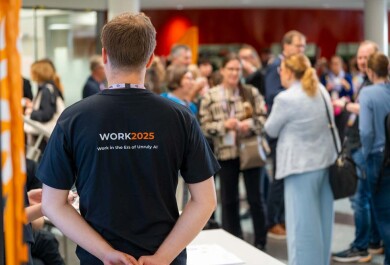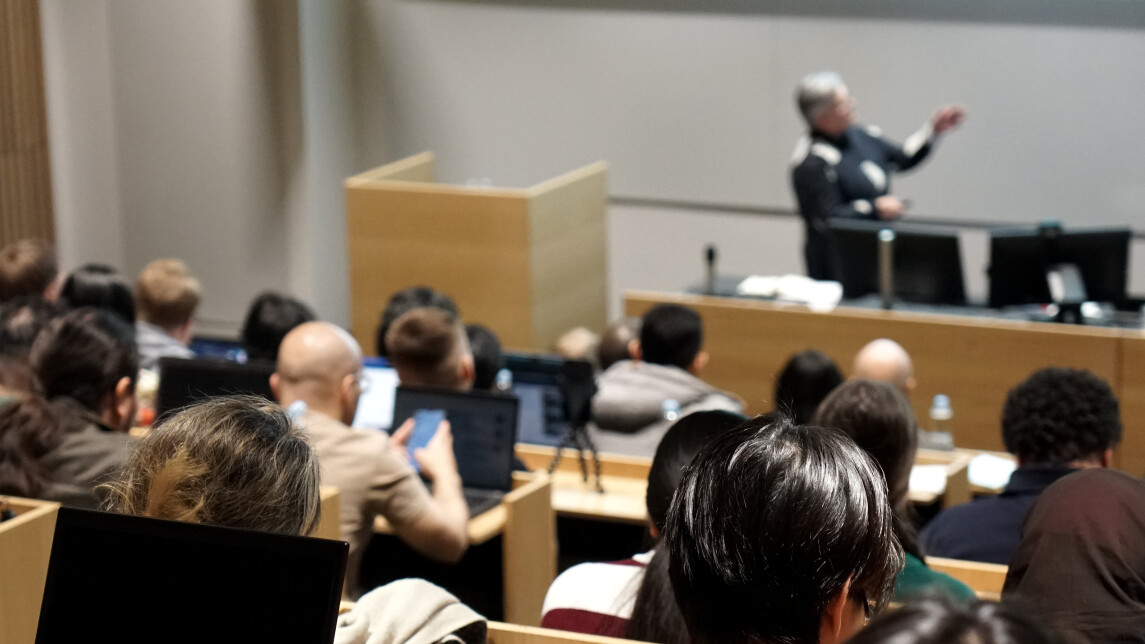
The UNICOM+ Thesis Fair & Talent Bridge event brought together students, researchers and employers to examine how academic expertise translates into working life. The event emphasised the importance of early engagement, transferable skills and dialogue between academia and industry in supporting future talent development.
The Thesis Fair & Talent Bridge event was part of the UNICOM+ Uniting Companies, Employers and International University Talents project which supports international university talents in building their lives in Finland and helps employers find the expertise they need.
The event attracted a large number of both master’s degree students and doctoral researchers and was structured in two parts. The morning session featured company presentations for master's students, and the Talent Bridge programme in the afternoon brought together early career researchers, doctoral supervisors and employers.
Doctoral Education Specialist Jenni Gray, Career Counsellor Lotta Metsärinne and Coordinator Inari Ahokas, as part of the event’s organisers, emphasise the importance of supporting international students and researchers in exploring different career options.
“Talent Bridge was created out of the need to build a bridge between academia and the business world. We want to reinforce the message that a career outside academia is not a plan B, but an equally valuable and viable path. That is why it is important to reflect on career pathways already during one’s studies, and to ensure that both researchers and supervisors receive support in identifying these alternatives. This work does not end with this event – we will continue building concrete opportunities that allow researchers to experiment, learn, and find the direction that suits them best,” Gray, Metsärinne and Ahokas note.
Labour market insights and employer perspectives
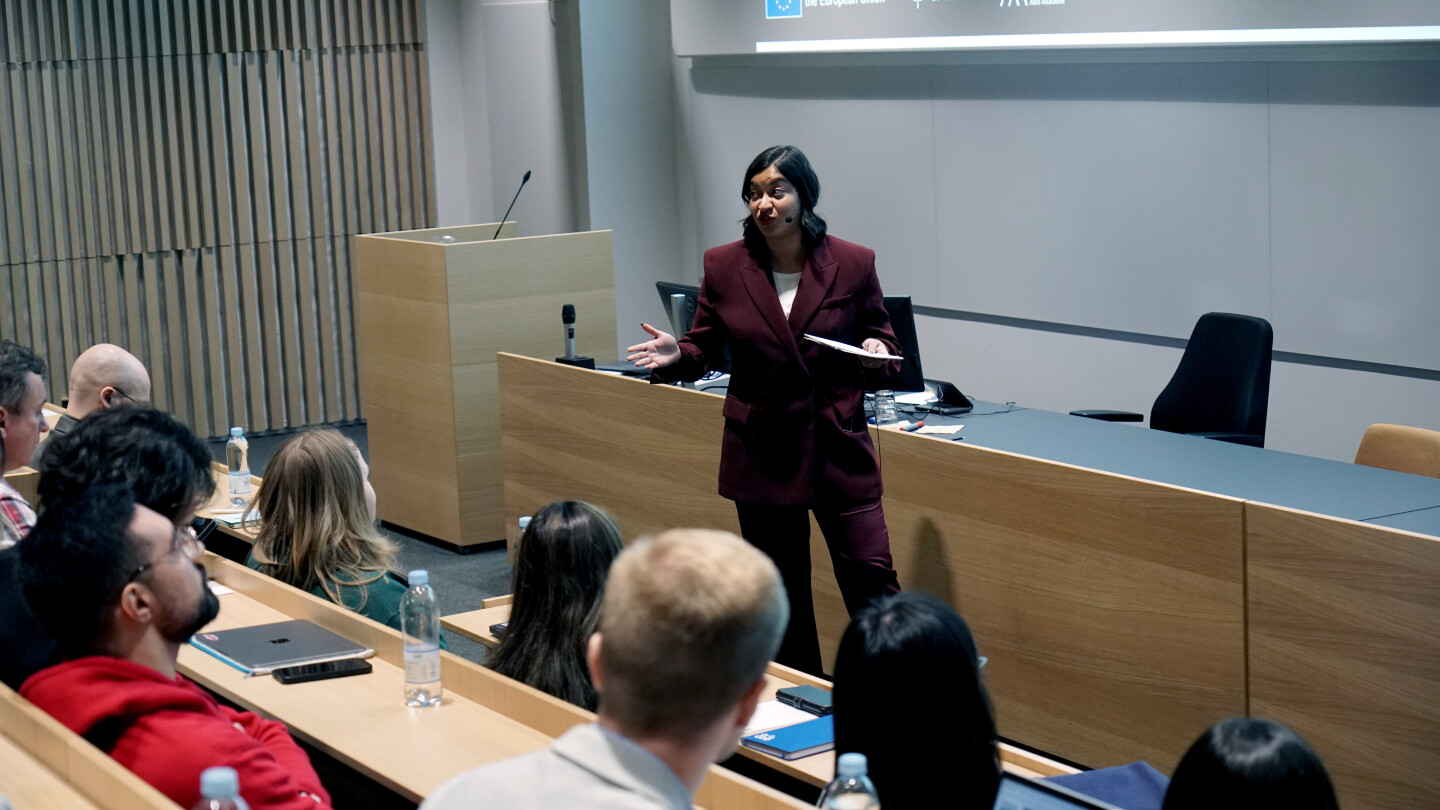
The Talent Bridge session was hosted by Megha Goswami, a marketing professional and digital creator who originally came to Finland to study molecular biotechnology and diagnostics. Known for her advocacy for international talent, she encouraged participants to reflect on their own strengths and what makes work meaningful for them. This perspective was echoed by several speakers throughout the programme.
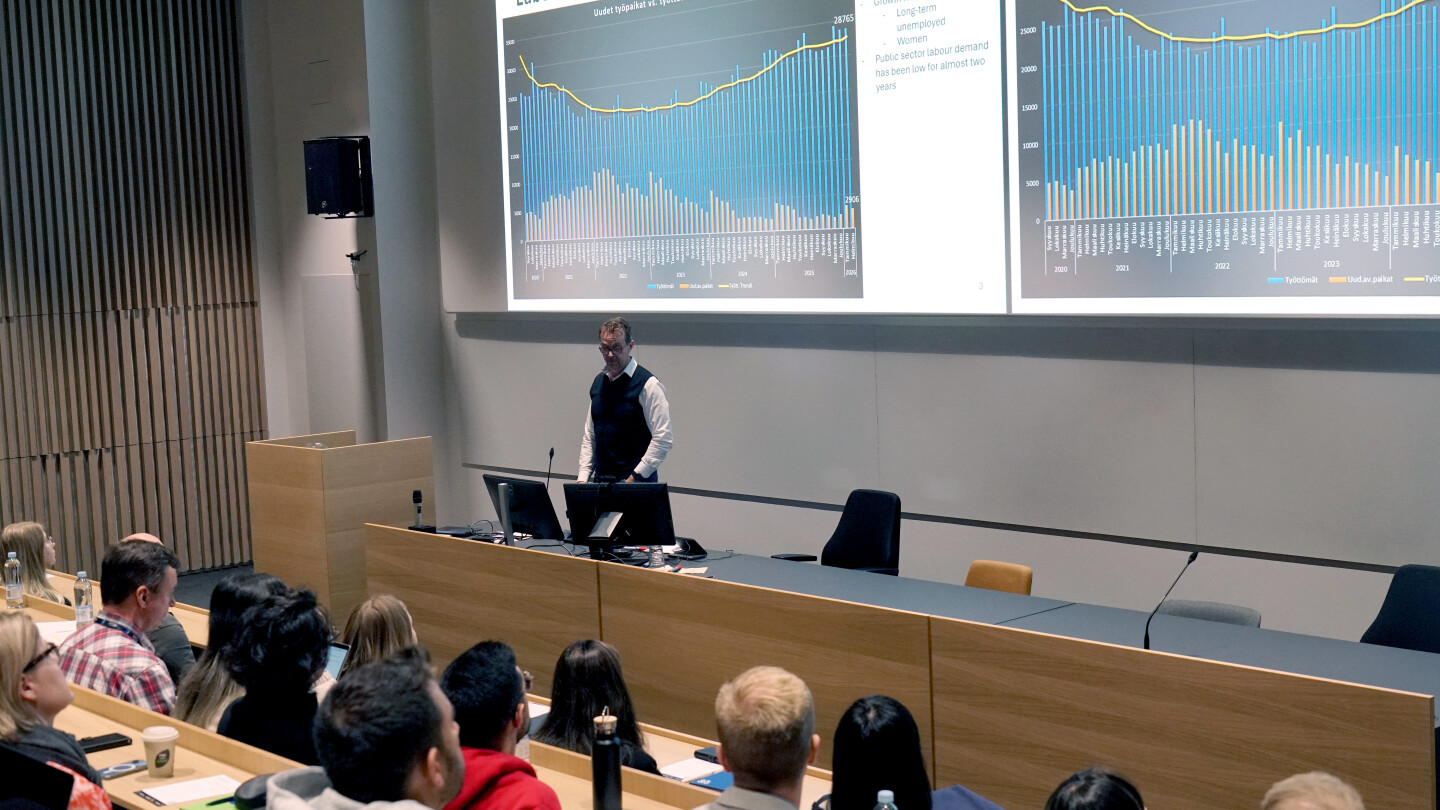
Timo Vahtonen from the Economic Development Centre of Southwest Finland outlined the regional labour market situation. He described the short-term outlook as moderately positive. Growth expectations are strongest in ICT, services and industry, while pharmaceutical, maritime and defence sectors continue to perform well. Although unemployment has increased, the overall labour market remains stable.
In the employer keynote, Marjo Keiramo, Senior Advisor at Meyer Turku and Professor of Practice at Aalto University, shared insights from her career in the maritime sector. She described the long production cycles in shipbuilding and the wide range of expertise required across engineering, design, project management and support functions.
Keiramo highlighted workforce development and the need to attract new talent to the sector. She also emphasised that success in industry depends not only on technical knowledge but also on attitudes, collaboration skills and adaptability. Looking ahead, she pointed to sustainability goals and the transition towards net-zero operations as key drivers shaping the industry.
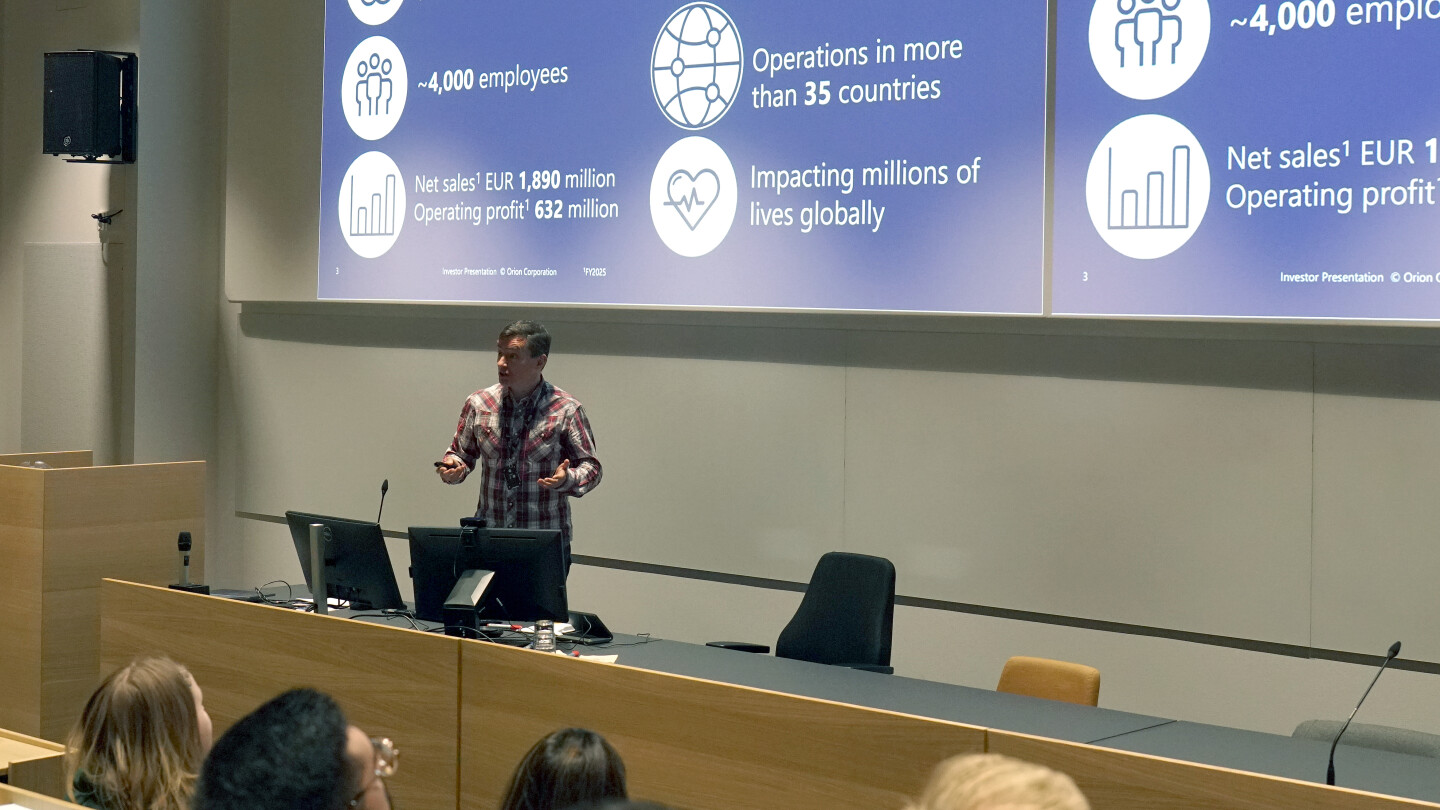
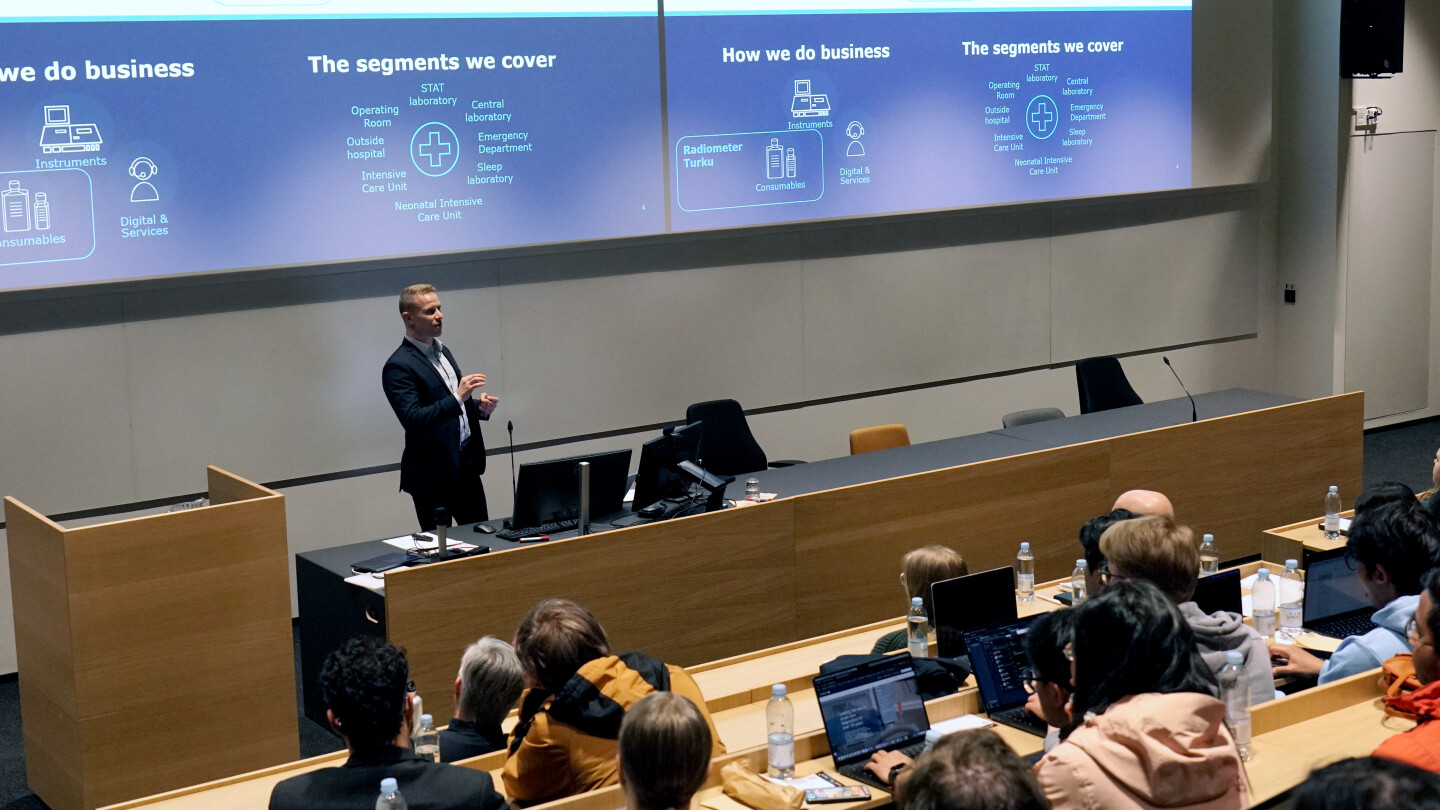
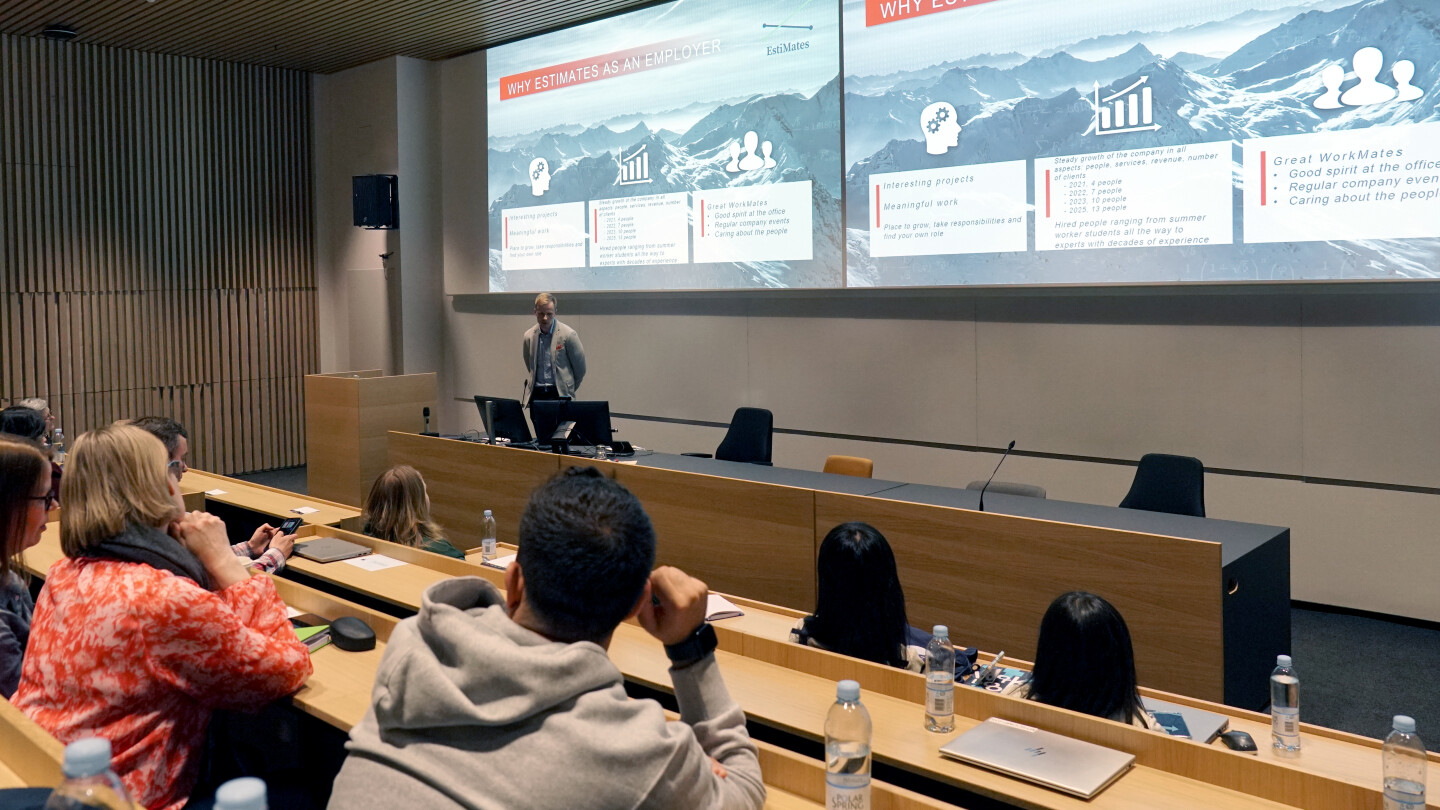
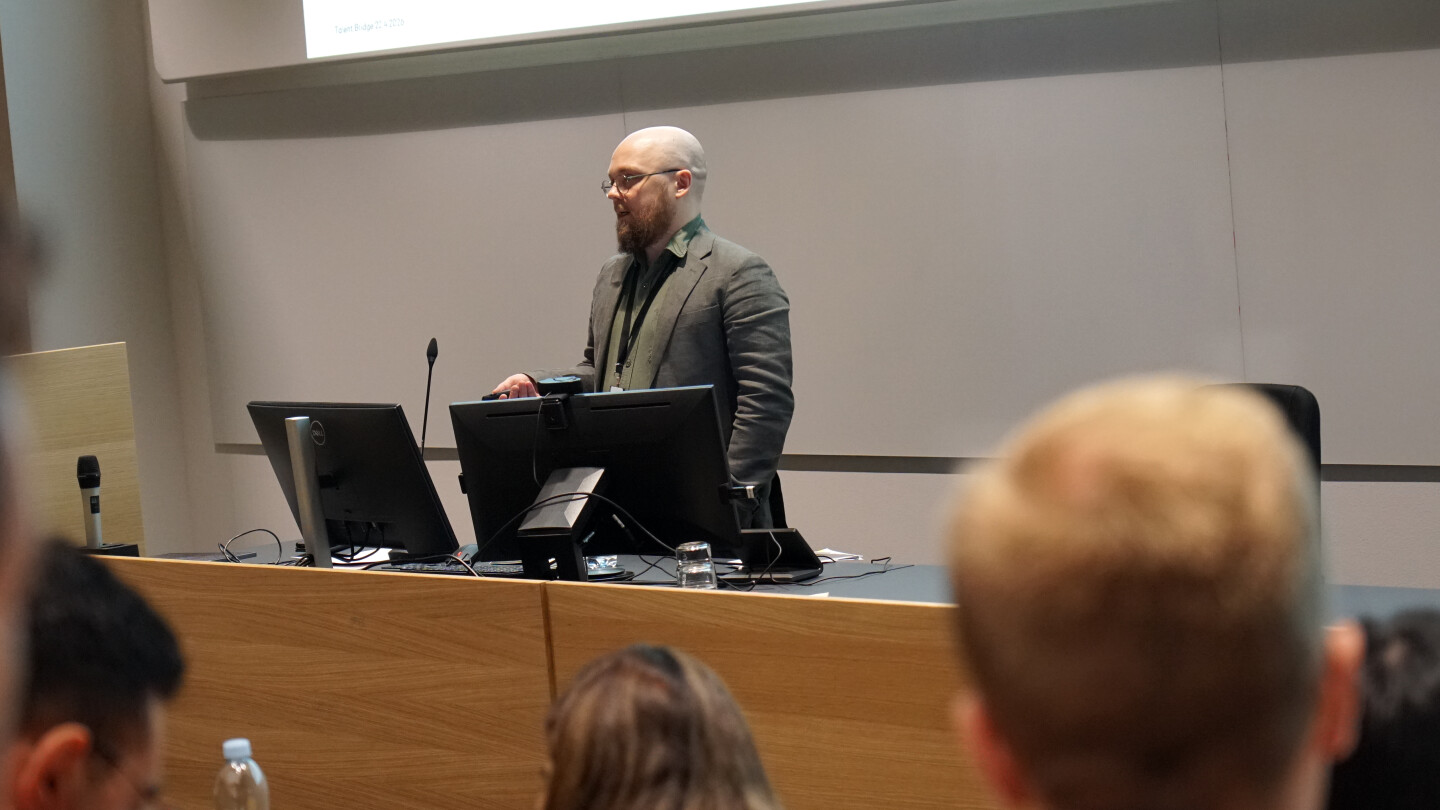
The company introduction session featured a range of organisations presenting their work and recruitment needs. Employers including Orion Pharma, Radiometer Turku Oy, EstiMates, AFRY and SCICOMMLAB presented collaboration opportunities, training paths and career options. The City of Turku also introduced its International Voucher programme that provides financial support for employers hiring an international talent.
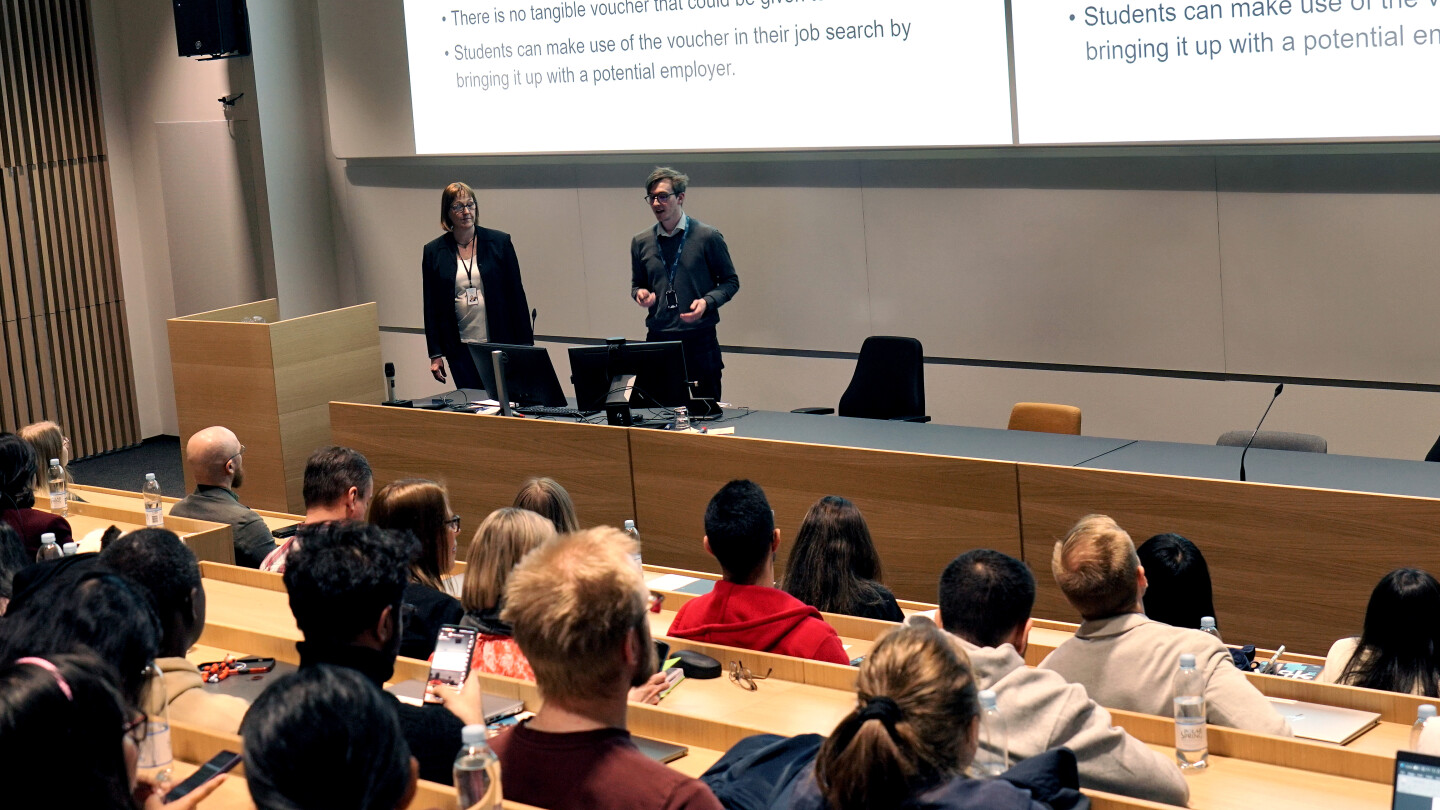
Redefining talent and strengthening connections
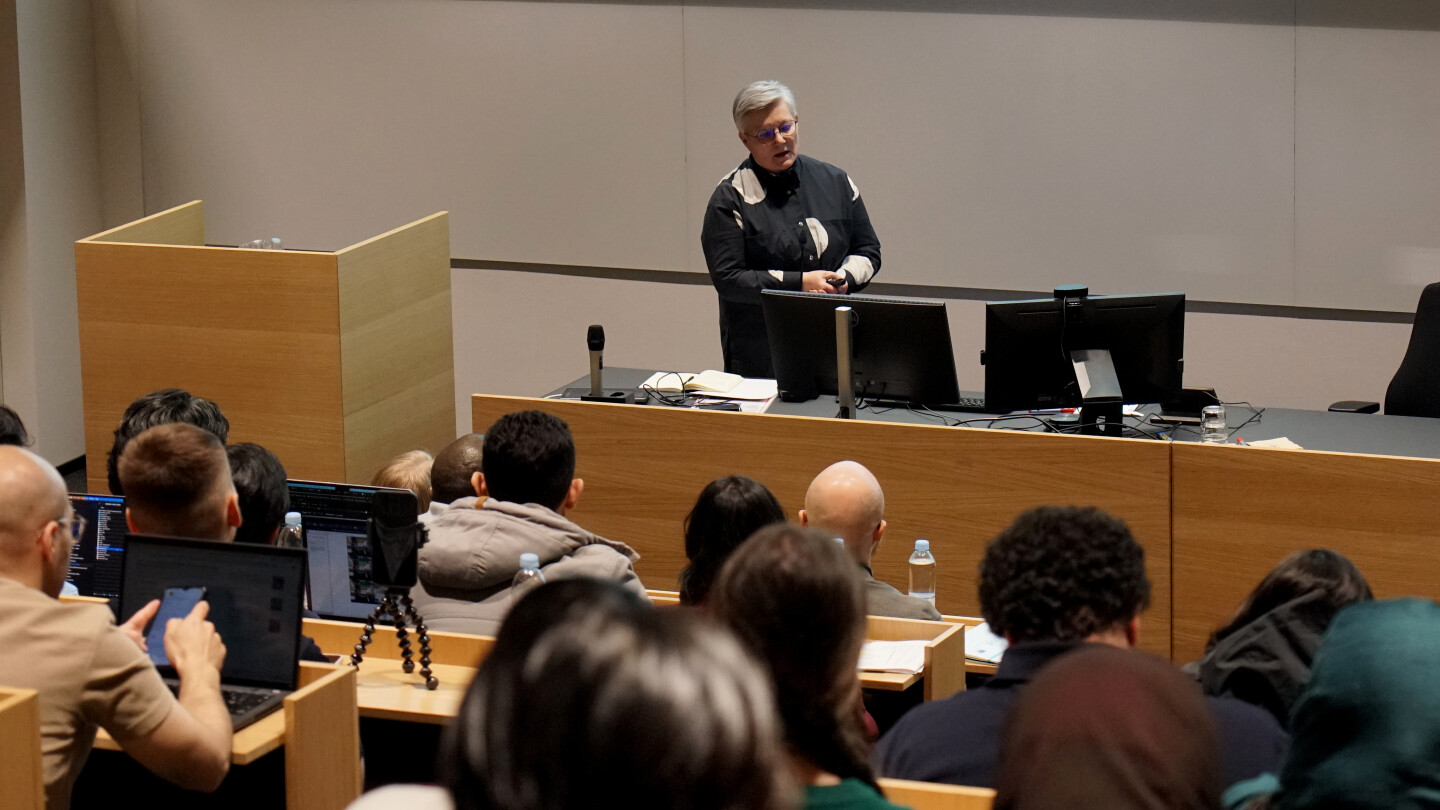
A panel discussion brought together Doctoral Researcher Anna Lundén, Professor Tapani Viitala and Director Gabriel Olegario to reflect on how talent is understood in both academic and industry settings.
The panellists described talent as a combination of skills and individual strengths aligned with organisational needs. Participants noted that researchers are sometimes perceived as overly academic but stressed that effective communication and awareness of the audience are essential in both research and industry contexts.
The discussion also addressed differences between academic and corporate environments. Academia was described as slower-paced and often siloed, while industry requires faster decision-making and broader collaboration skills. The panellists highlighted the importance of preparing students for these differences.
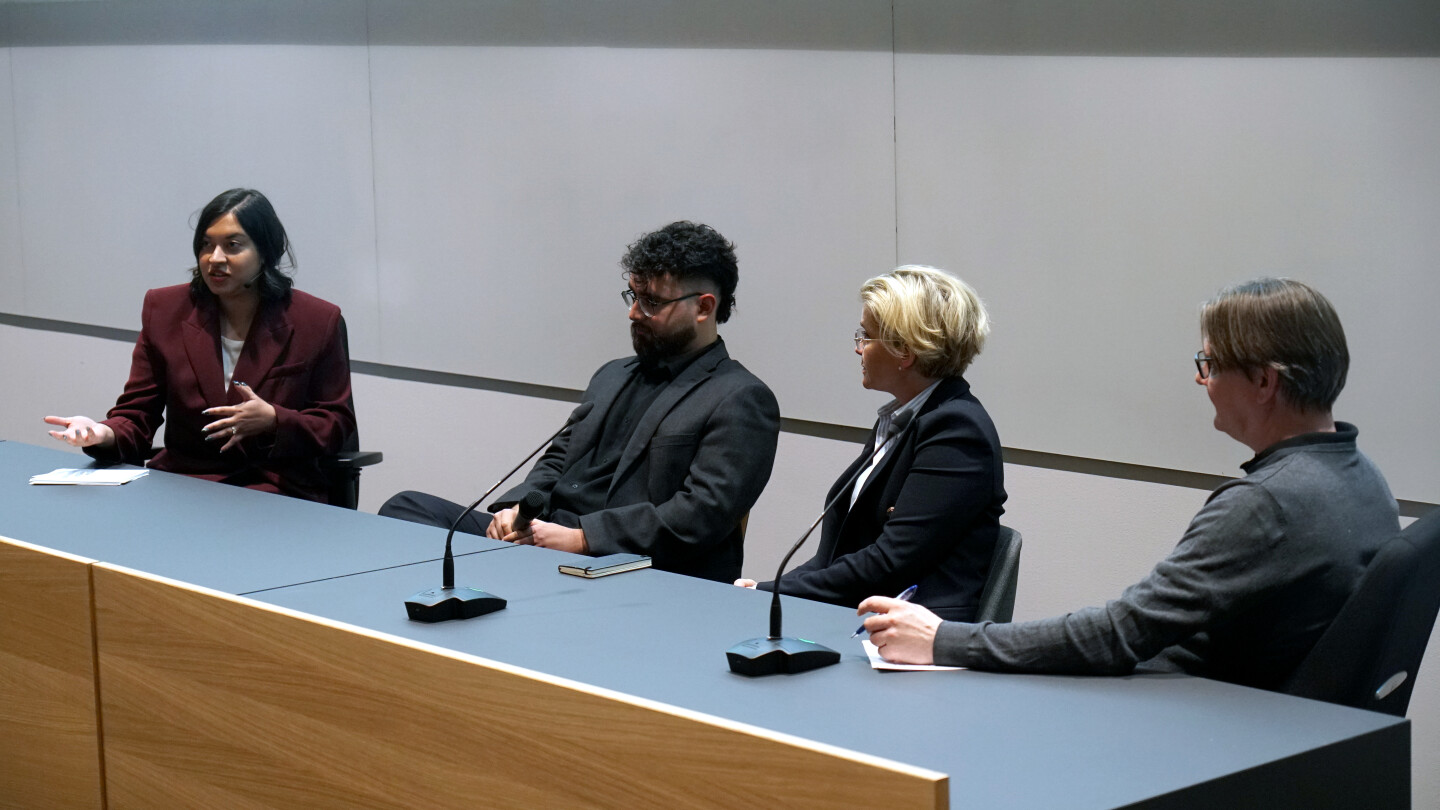
When asked how academic profiles can be made more appealing to the corporate world, Doctoral Researcher Anna Lundén shared an engaging analogy with the audience. She encouraged early-career researchers to begin networking and sharing their work well before they start actively seeking jobs. At this stage, she noted, they are learners, and people are often more open to connecting when approached in the spirit of curiosity and a desire to learn. Once job searching begins, the dynamic changes: candidates become “sellers” while employers take on the role of “buyers,” a shift that can make connections less inclined to offer guidance or support.
The panellists also highlighted common challenges faced by graduates entering working life, particularly the need to apply academic knowledge in practice. They emphasised the importance of building professional networks early, engaging in mentoring and understanding recruitment processes, with LinkedIn and active networking seen as key tools for career development.
UNICOM+ Uniting Companies, Employers and International University Talents project (2025-2027) is co-financed by the European Union.