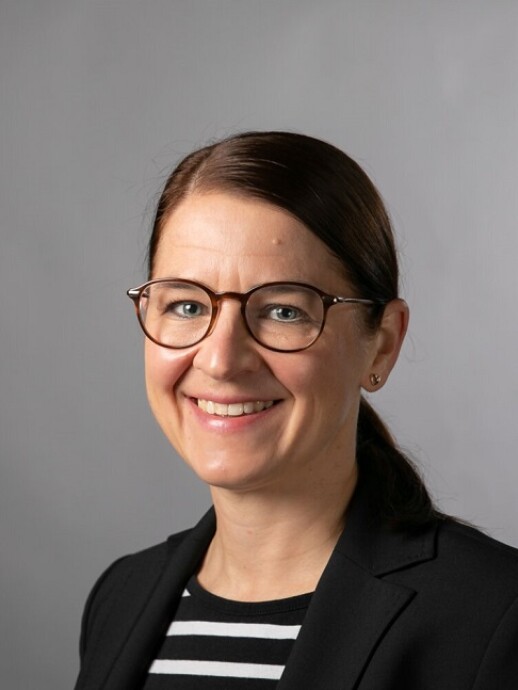
Terhi
Heino
Areas of expertise
Biography
Terhi Heino is a University Lecturer at the Institute of Biomedicine, Faculty of Medicine, University of Turku. Her work combines teaching, curriculum development, and active research in regenerative medicine, with focus on bone and vascular biology, stem cells, and biomaterials.
She obtained her PhD in Cell Biology from the University of Turku in 2005 and completed postdoctoral training at Karolinska Institutet (Pediatric Endocrinology). She returned to Turku in 2008 and was appointed Docent (Adjunct Professor) in Cell Biology in 2013.
Teaching
Heino has over 20 years of experience in undergraduate and postgraduate education. Her teaching covers histology, cell biology, anatomy, pharmacology, regenerative medicine, and cancer biology. She contributes to curriculum development and holds a formal pedagogical qualification (60 ECTS).
She has served as a mentor in the Biomedicine BSc programme and has international teaching experience at Karolinska Institutet. She has also contributed to multidisciplinary entrepreneurial education (IDEATE project).
Research
Her research focuses on cell-cell and cell-biomaterial interactions in bone and vascular biology and their applications in regenerative medicine. The work centers on mesenchymal stromal, immune, and vascular cells.
Using in vitro models, biomaterials, and clinically relevant samples, the group investigates mechanisms regulating osteogenesis, immune responses, and tissue repair, including wound healing. The aim is to support the development of improved strategies for bone and soft tissue regeneration.