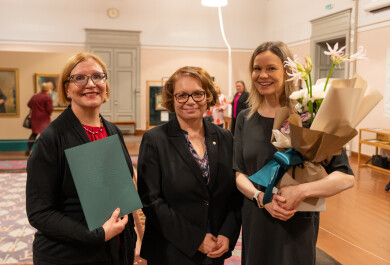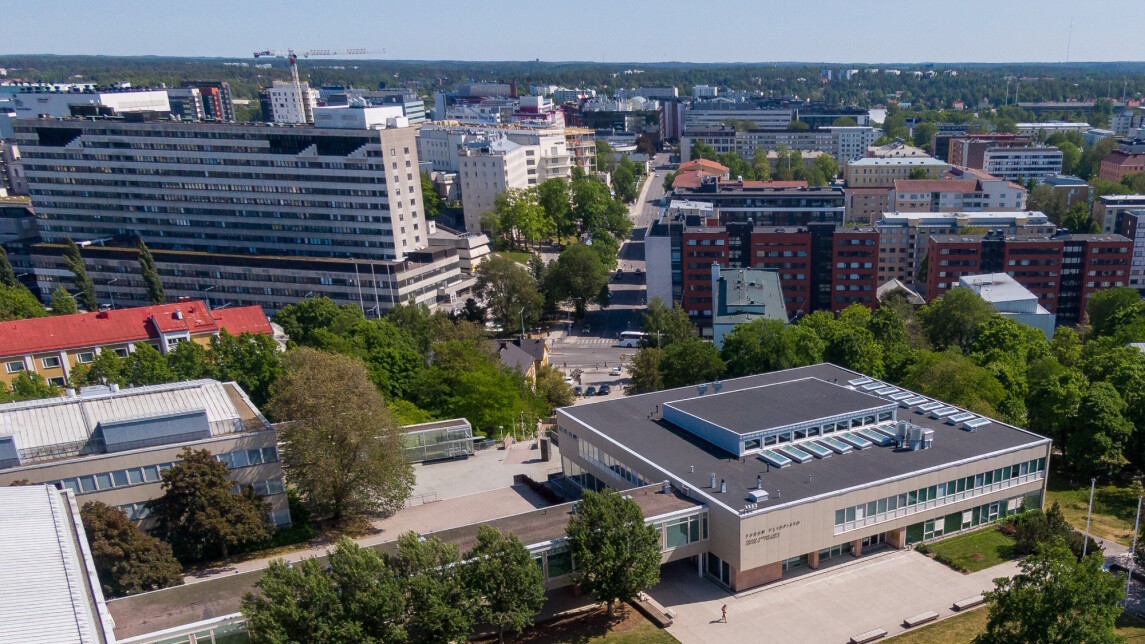
The University of Turku and Turku University of Applied Sciences signed a strategic partnership agreement. The aim is to develop a new model for a higher education community that builds on the strengths of both parties. Collaboration is being developed in areas such as doctoral training and research infrastructure.
In Turku, the collaboration between the University of Turku and Turku University of Applied Sciences has been dynamic and productive for a long time.
“We share a common vision of our strategic goals and emphasise the quality of education and research, competitive infrastructure, and a thriving expert community. We want to develop our collaboration into a new model for a higher education community. This will enable us to increase our regional and national impact,” says Rector of the University of Turku Marjo Kaartinen.
“The most important factors in our collaboration are productivity, efficiency and high quality, rather than administrative changes. With this new collaboration model, we aim to better meet the region’s need for skilled professionals, while further boosting the region’s vitality and R&D investments,” says Rector and President Vesa Taatila of Turku University of Applied Sciences.
The strategic partnership agreement between the higher education institutions increases collaboration, for example, in doctoral training. The aim is to share expertise and supervisory resources across organisational boundaries, particularly to strengthen the link between research and the professional life. The goal is to create new, nationally significant initiatives in multidisciplinary areas, such as comprehensive security.
Institutions’ strengths complement each other
Kaartinen and Taatila say that the collaboration between the higher education institutions in Turku is based on the institutions’ unique characteristics and strengths.
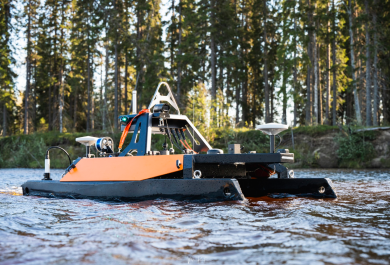
“The collaboration is based on the top interdisciplinary expertise of both institutions and their shared infrastructure solutions. One recent example is a joint research and investment project that has received €1.4 million in funding to develop a new type of 3D printing technology tailored to the needs of the maritime industry in Southwest Finland. Several regional research infrastructure applications are also currently being prepared to address the area's future needs comprehensively,” says Taatila.
“Together, we are building a culture of learning and growth for the benefit of the entire region and Finland. This partnership transforms our many shared goals into concrete, dynamic, and rapidly evolving initiatives,” say Kaartinen and Taatila.