Regulatory T cells discovered by Shimon Sakaguchi maintain order in the body
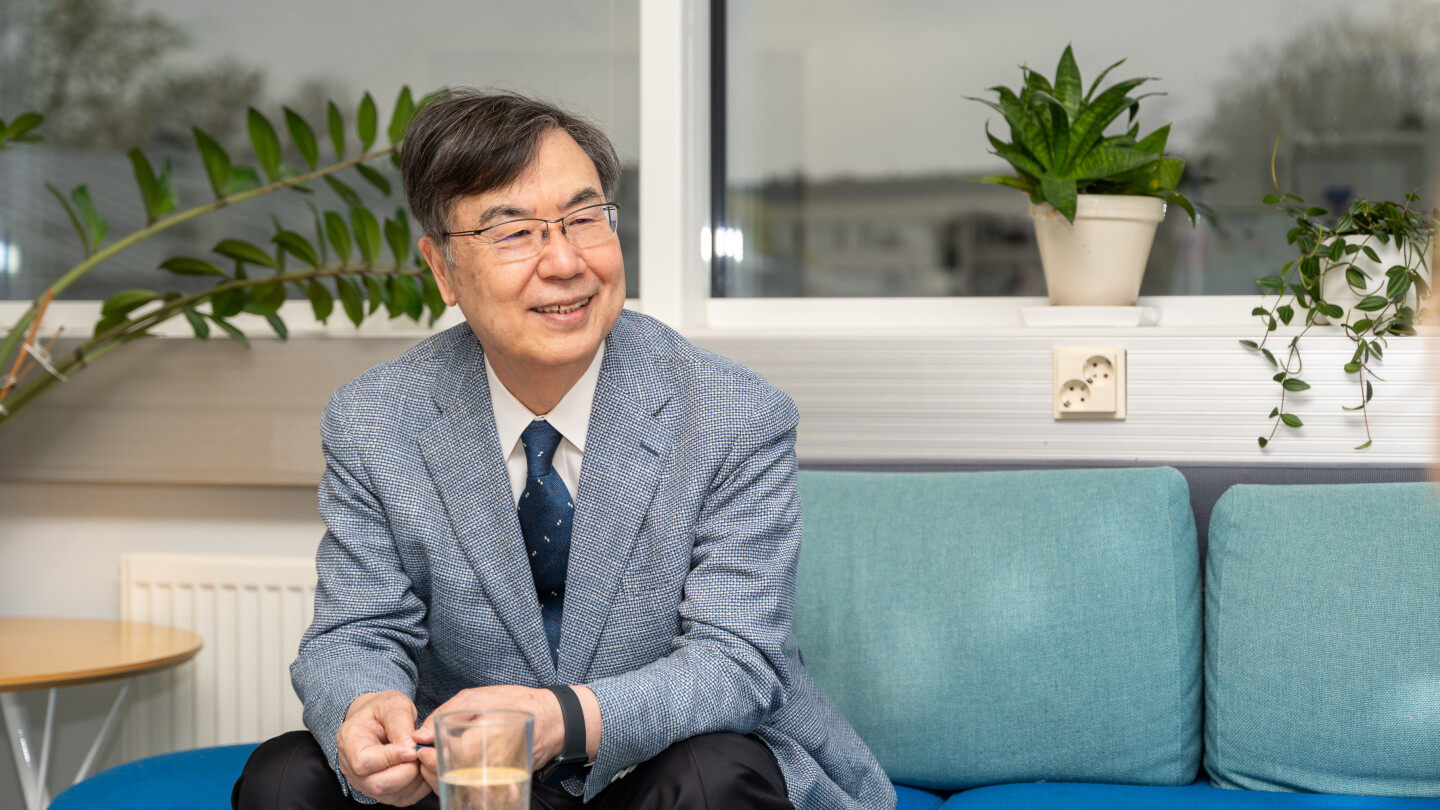
By the late 1980s, immunologists had had enough and walked away from suppressor T cells. Researchers had reached a dead end in their attempts to study them and no longer believed in the very existence of these cells. Frustrated, they moved on to other topics. One, however, did not give up, but carried on. Professor Shimon Sakaguchi discovered a completely new type of immune cell and was awarded the 2025 Nobel Prize in Medicine for his research.
Various types of immune cells play a vital role within the complex human immune system. They patrol the body tirelessly, protecting it from invading microbes and viruses. Immune cells also effectively destroy damaged cells that could cause cancer if they were to uncontrollably multiply. T cells are specialised in these tasks.
“We knew that there are at least two types of T cells: helper T cells and killer T cells. However, immunologists speculated that there must also be T cells that suppress the activity of the immune system. The idea was good, and at the time people started talking about suppressor T cells. However, despite extensive research, no one was able to identify the type of these cells or link them to human diseases. So, it really did lead to immunologists walking away from the suppressor T cell hypothesis, and the research field fell silent”, says Sakaguchi.
The idea of a cell that could suppress the activity of other T cells was fascinating to Shimon Sakaguchi. At the time, he worked at the Aichi Cancer Research Centre in Nagoya, Japan, where he and his team were studying autoimmune diseases. These diseases reveal a hidden danger within the immune system: sometimes the system fails to distinguish between foreign and native tissue, resulting in the T cells attacking the body’s own tissue.
Type 1 diabetes, multiple sclerosis, and rheumatoid arthritis are examples of autoimmune diseases in which a person’s own immune system causes the damage. A hyperactive immune system is also a problem in organ transplants, where the body needs to tolerate the presence of foreign tissue.
“We were interested in finding out what mechanism triggers an immune response directed against the body itself — in other words, how an autoimmune disease can develop. And why do only some people develop autoimmune diseases”, explains Sakaguchi.
T cells are produced and trained for their roles in the thymus
T cells develop from stem cells in the bone marrow, but they are trained and tested for their specific roles in the thymus. The thymus is designed to filter out T cells that could pose a threat to the body. In reality, the test system is not flawless, and also harmful T cells enter the bloodstream.
Contrary to the mainstream view in immunology, Shimon Sakaguchi persisted in his research into T cell types. Decisive for his discovery was an animal experiment in which the thymus was removed from just a few days old mice. The mice quickly developed serious autoimmune diseases, but recovered when they were given normal T cells from healthy mice. Sakaguchi concluded that among the transplanted cells there had to be such T cells that were capable of balancing and suppressing the immune response.
After years of research, Sakaguchi was able to prove that the body does indeed contain a group of T cells that act as security guards. These cells are also trained in the thymus. He named this previously unknown cell type the regulatory T cell. This was in 1995.
While not everyone in the scientific community was convinced of the regulatory T cells, the final seal of approval came through the research of Mary Brunkow and Fred Ramsdell in the United States. They had familiarised themselves with IPEX syndrome, a very rare and serious hereditary autoimmune disease.
They discovered that the condition is caused by a mutation in a specific gene, FOXP3, which leads to a deficiency of regulatory T cells. Shimon Sakaguchi was subsequently able to confirm that the FOXP3 gene controls the development of regulatory T cells. Brunkow and Ramsdell were also awarded the Nobel Prize alongside Sakaguchi for their work in elucidating the function of the immune system.
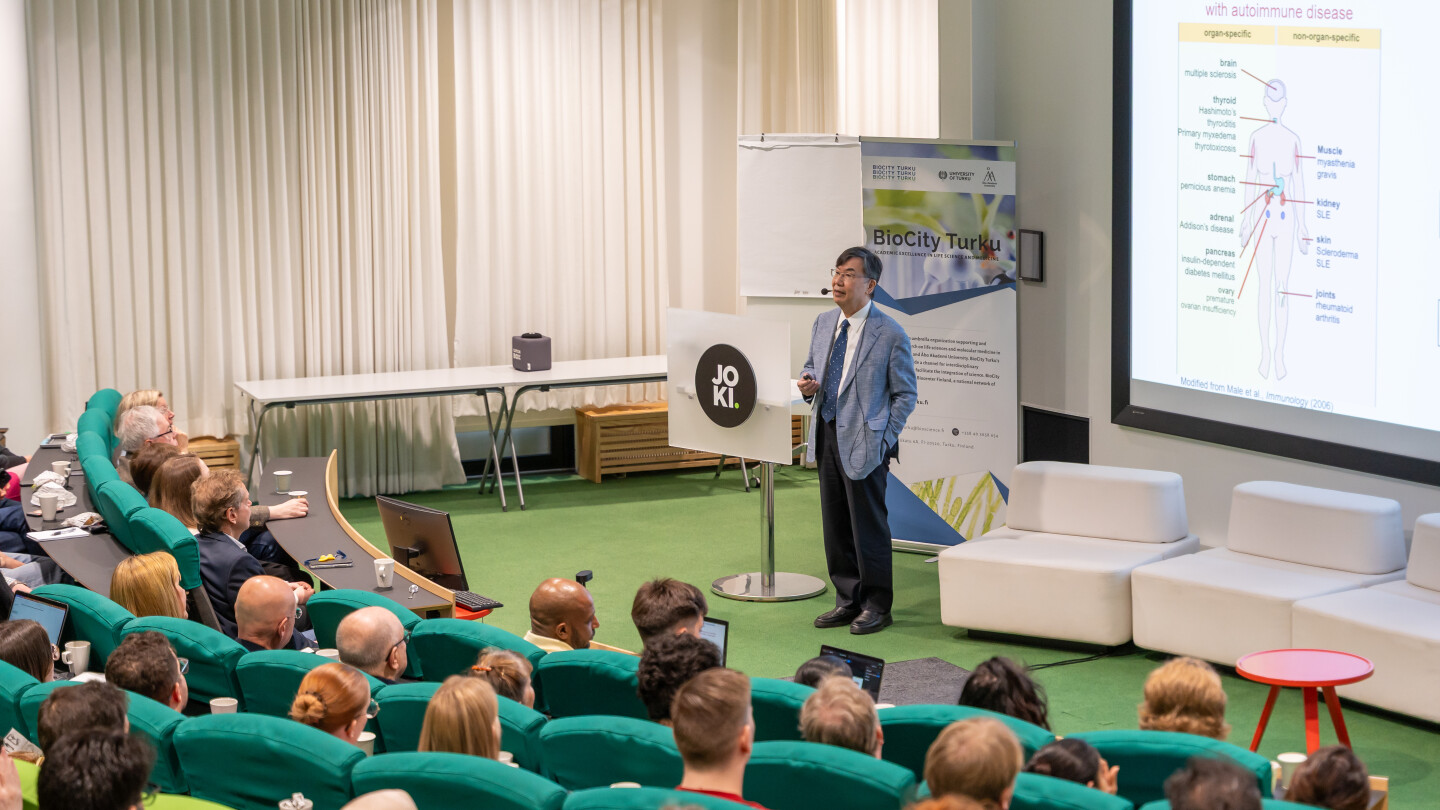
Regulatory T cell-based treatments are being developed rapidly
Regulatory T cells are no longer merely the subject of basic research but they are now the focus of clinical development work. The first regulatory T cell-based therapy for the treatment of type 1 diabetes is moving towards its first preliminary clinical trial.
“There are two ways in which we can use regulatory T cells to treat diseases. Sometimes the number of them needs to be increased, and sometimes reduced”, says Sakaguchi.
He notes that, in the case of autoimmune diseases, for example, it would be beneficial for the body to have more highly functional regulatory T cells to calm down the immune cells that destroy healthy tissue. On the other hand, cancerous tumours, for example, have the ability to call in large numbers of regulatory T cells, which protects the tumour from the immune system. In this case, the regulatory T cells should be withdrawn from performing their protective function.
“In organ transplants, it is currently necessary to use medication that suppresses the body’s natural immune system to prevent the body from rejecting the transplanted organ. However, these medicines have side effects, such as increasing the transplant recipient’s risk of infection. Regulatory T cells may be a better way to prevent this rejection”, Sakaguchi points out.
Cell culture under laboratory conditions
Shimon Sakaguchi’s laboratory is currently based at Osaka University, where they have developed methods for producing regulatory cells outside of the body, among other things. They can be produced from other T cells, but the challenge lies in ensuring that the T cells that have changed their identity remain in their new form as regulatory cells.
But let us return to the thymus, where all T cells originate, including the defective T cells that cannot distinguish between the body's own healthy tissue and foreign material that should be eliminated. It remains a mystery why some cells that can cause damage in the body are able to escape from the thymus.
“We all have these potentially dangerous T cells in our bodies, and yet not all of us go on to develop autoimmune diseases. Could it be that these cells actually have a role in the body, for example being responsible for clearing away the material produced during cell death. I don’t know, it is just a thought”, ponders Sakaguchi.
Stay optimistic and stick to it!
Shimon Sakaguchi has close ties to Turku, as he is a visiting professor in the IMMUNOCAPs (Capitalising Immunity to Combat Disease) project at the University of Turku. The project is a broad immunology research programme focused on understanding the mechanisms of the immune system, disease diagnostics, and treatment development, and it complements the InFLAMES flagship. IMMUNOCAPs is led by Professor Riitta Lahesmaa.
“I met Riitta Lahesmaa at a scientific conference and, as a researcher in basic immunology, I became interested in the work her team has been doing in studying type 1 diabetes. That is where it started. I have great respect for the specialised expertise of Riitta and her team, and I am delighted that we have now been able to welcome a researcher she trained to visit our laboratory”, says Sakaguchi.
Clinical Director of the Turku Immunology Centre, Doctor of Medicine Antti Hurme started working at Sakaguchi’s laboratory at the end of April.
Professor Sakaguchi’s scientific achievements have been recognised worldwide, and he has been awarded numerous prestigious prizes, culminating in the 2025 Nobel Prize. How does one become a Nobel Prize laureate?
“Stay optimistic and stick to it! When you feel like you are not good enough, it helps to remember that scientific progress is a collective effort, and to take a look at what others have discovered. You might find a clue or a piece of information that will help you take another step forward.”
Text: Liisa Koivula, photos: Antti Tarpio
Translation: Elli Elo