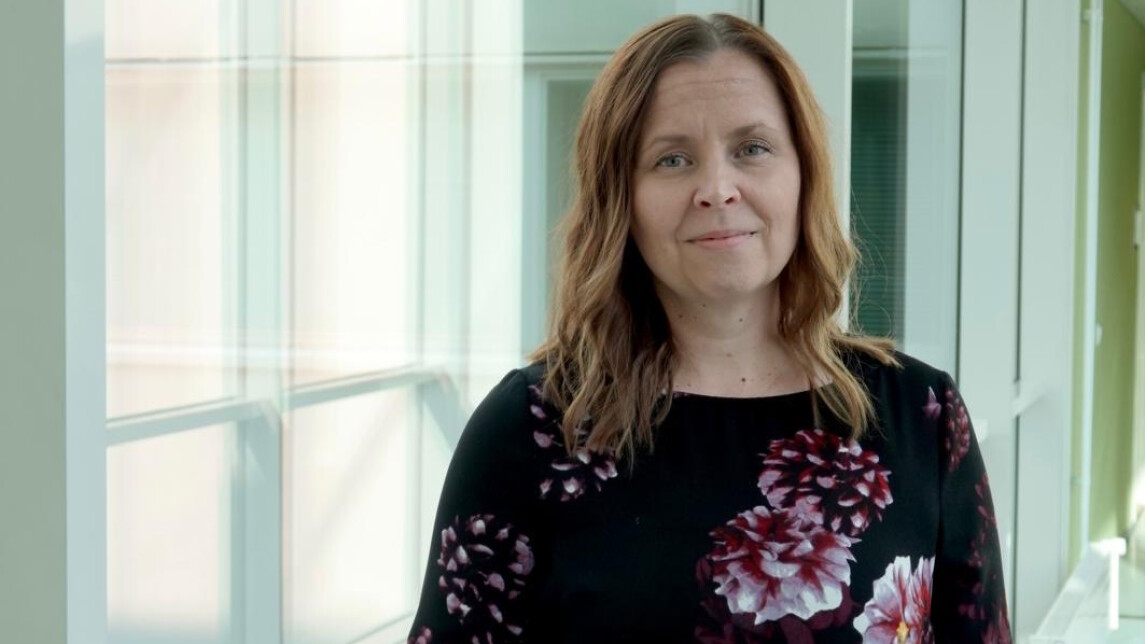
CERLI, Centre for Research on Learning and Instruction, and CELE, Centre for Research on Lifelong Learning and Education, present one researcher each month. In September Doctoral Researcher Terhi Pasu from CELE takes the spotlight.
I am currently researching emphasised teaching in comprehensive schools in Finnish cities. I work in a follow-up study (2023–2026) that examines the emphasised teaching path model in comprehensive schools in Kerava. The project collects survey and task-based data measuring learning and motivation, as well as interviews with pupils and surveys of parents. Within the project, I am responsible for a work package that investigates parents’ perceptions of the emphasised teaching path model. In my recently published doctoral dissertation, I analysed the practices of organising emphasised teaching in the largest cities in Finland in the early 2020s.
Researching this topic is important because emphasised teaching has been examined only to a limited extent from the perspective of education providers and schools. In particular, more knowledge is needed about the grouping practices within schools and their effects on learning. The national guidelines for organising emphasised teaching are rather loose, which leaves local education policy actors with considerable discretion in how to implement it. The ways in which emphasised teaching is organised—such as the selection and grouping of pupils and curriculum decisions—are closely linked to questions of educational equality and equity in education. Previous research has shown that emphasised teaching involving pupil selection is one factor contributing to both between-school and within-school segregation in cities.
My daily life as a researcher includes diverse tasks such as data collection and analysis, reading and writing research articles, as well as supervision and teaching in education. In recent months, I have focused full-time on completing my doctoral dissertation, which involved editing and proofreading the manuscript, coordinating the publication process, and preparing for the public defence. Since completing my dissertation, I have continued the analysis of parent survey data for the Kerava research project.
I collaborate with researchers from the Research Centre for Education, Assessment and Learning (REAL) at Tampere University and the Centre for Educational Assessment (HEA) at the University of Helsinki. The research project is carried out in close co-operation with the municipal educational administration of Kerava. In addition, I work with colleagues at the University of Turku in both research and teaching.
When I am not doing research or other work, I spend my free time with my family and relax by watching sports and TV series. My everyday life often involves taking my children to football practice and games, which I also enjoy watching on the sidelines. I have played football myself as an adult, but ball control was never my strength—so nowadays I focus on cheering and enjoying the game from the stands.
My greetings to those working in research: let us continue our shared discussion on how the structures of the education system challenge educational equality. Bringing up these themes and discussing them is sometimes difficult, as the Finnish education system is strongly underpinned by an ethos of equality. That is why critical research is important—it sheds light on the tensions and inequalities embedded in educational practices, structures, and policy decisions.