Ever since I started my PhD journey, my Roman Empire has been the accumulation of heavy metals along the food chain of birds. One might ask, “What more is there to know? We already know heavy metals are toxic.” That’s true — the direct effects of heavy metals on humans and wildlife are well-documented. But the real issue lies in the indirect effects, especially those stemming from airborne heavy metal accumulation through the food chain, for which evidence is scarce.
Industrial emissions — particularly from smelters where heavy metals are extracted — release these metals into the environment. Over time, they accumulate in the food web, disrupting and even collapsing ecosystems, and threatening the survival of the organisms that depend on them.
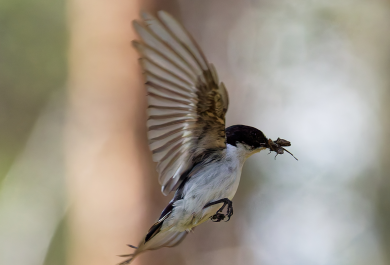
These pollutants reduce insect abundance, alter insect species composition, and change the nutritional value of the insects themselves. Insectivorous birds rely heavily on insects for food, so these changes can directly affect their diet, health, and reproduction. Pollution-driven shifts in insect quality may have profound effects on bird health that go far beyond direct toxic exposure.
Even at moderate or low pollution levels — where no obvious toxic effects are detected — subtle alterations in the food chain can still negatively impact bird nutrition and development. These secondary effects of pollution are common and widespread in the wild, making nutritional studies essential for understanding long-term ecological consequences.
However, there is a clear research gap in quantifying these dietary shifts and their impact on bird health and reproduction. My PhD thesis aims to explore this gap and provide answers to how pollution-induced changes in insect communities and their nutritional quality affect the health, development, and reproductive success of insectivorous birds. I’ll be focusing on nestlings of three familiar birds — the great tit, blue tit, and pied flycatcher — and will gather fecal and blood samples from birds and collect insects near a copper-nickel smelter in Harjavalta, Southwest Finland, where pollution from industry offers a unique perspective into how airborne heavy metals affect the food chain. If we fail to see how pollution reshapes what birds eat, we risk overlooking a silent collapse already unfolding in our skies.
Sewwandi Alwis
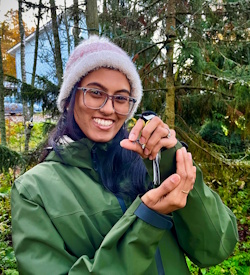
The writer is originally from Sri Lanka has a background in zoology and marine biology, with a keen interest in ornithology. Trained in bird ringing, mist netting, blood collection, and vocalization recording, she has participated in fieldwork across multiple countries. Her experience also includes renewable energy consulting, particularly assessing wind turbine impacts on birds. Her doctoral thesis focuses on how anthropogenic changes affect invertebrate abundance and nutritional quality, impacting the reproductive success of hole-nesting birds near a Finnish copper-nickel smelter. Through her work, she aims to provide valuable insights into ongoing studies on the health status of these model bird species and contribute to broader ecological and conservation efforts in Finland.