An ongoing research project investigates how urban environments influence the behaviour of carnivores, such as red foxes, badgers and raccoon dogs. The study is conducted through behavioural experiments on private gardens and forest patches in southern Finland. New experiment sites are now being sought for next summer’s experiments, which will document the animal species visiting residential areas and examine their behaviour.
An increasing number of animal species live in urban areas because they are able to adapt their behaviour to human presence and various forms of human activity, such as traffic. Through this process of habituation, animals learn to exploit previously unfamiliar food sources as well as new nesting and shelter sites.
Urban animals that have become accustomed to humans often behave more boldly than their rural counterparts. This can also lead to problems if animals search for food in rubbish bins or come into close contact with pets or domestic animals.
“Negative experiences with carnivores living in cities can cause frustration and even fear among residents. That is why it is important to understand how urban environments shape the behaviour of these animals. Knowledge about the ecology and behaviour of urban wildlife helps prevent conflicts between people, pets and wild animals,” says doctoral researcher Mélissa Gagniere.
The research project examines how urban environments alter animal behaviour and lifestyles by comparing urban wildlife with animals living in rural or forested areas.
Gagniere has conducted behavioural experiments on private properties and in forests across south-western and southern Finland during two previous summers. So far, in the past two summers, experiments have been carried out at more than one hundred garden and forest sites across southern Finland, including Turku and nearby municipalities such as Masku, Kaarina, Loimaa, Uusikaupunki as well as big cities like Tampere and Helsinki.
The research will continue in summer 2026, and new gardens and forest areas are now being sought from across southern and south-western Finland.
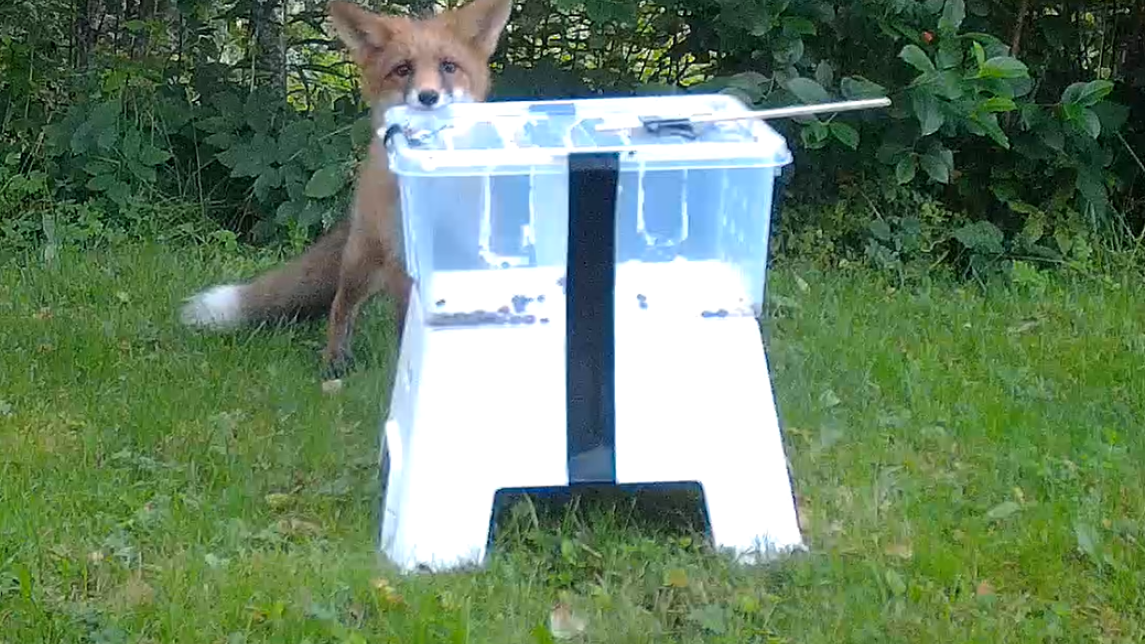
In the behavioural experiments, animals are studied using food baits placed in gardens and forests and designed to attract foxes, badgers and raccoon dogs. The baits may also attract deer, squirrels, hedgehogs or birds. During the experiment, unfamiliar objects or surfaces are placed along the animals’ movement routes and monitored with wildlife cameras throughout the study period.
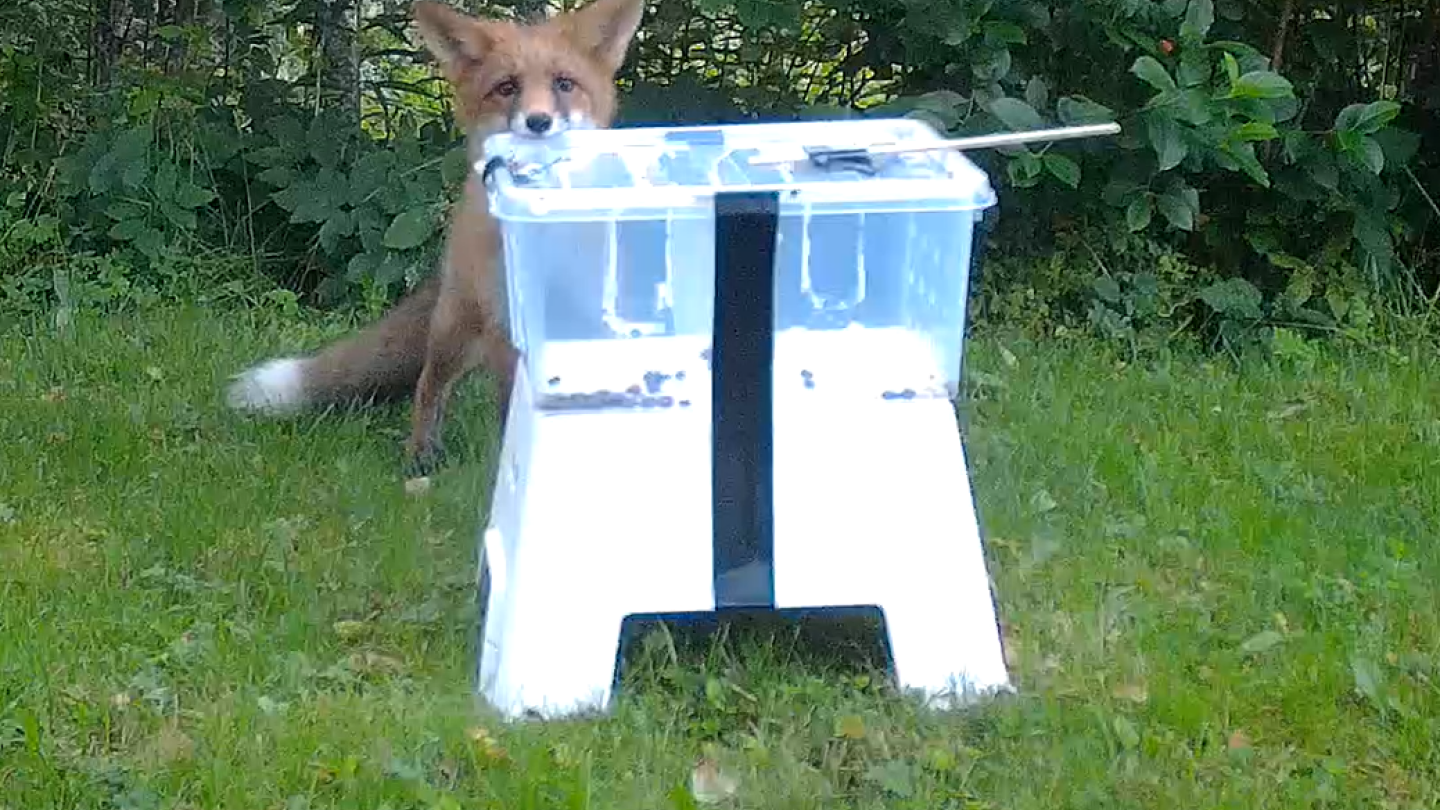
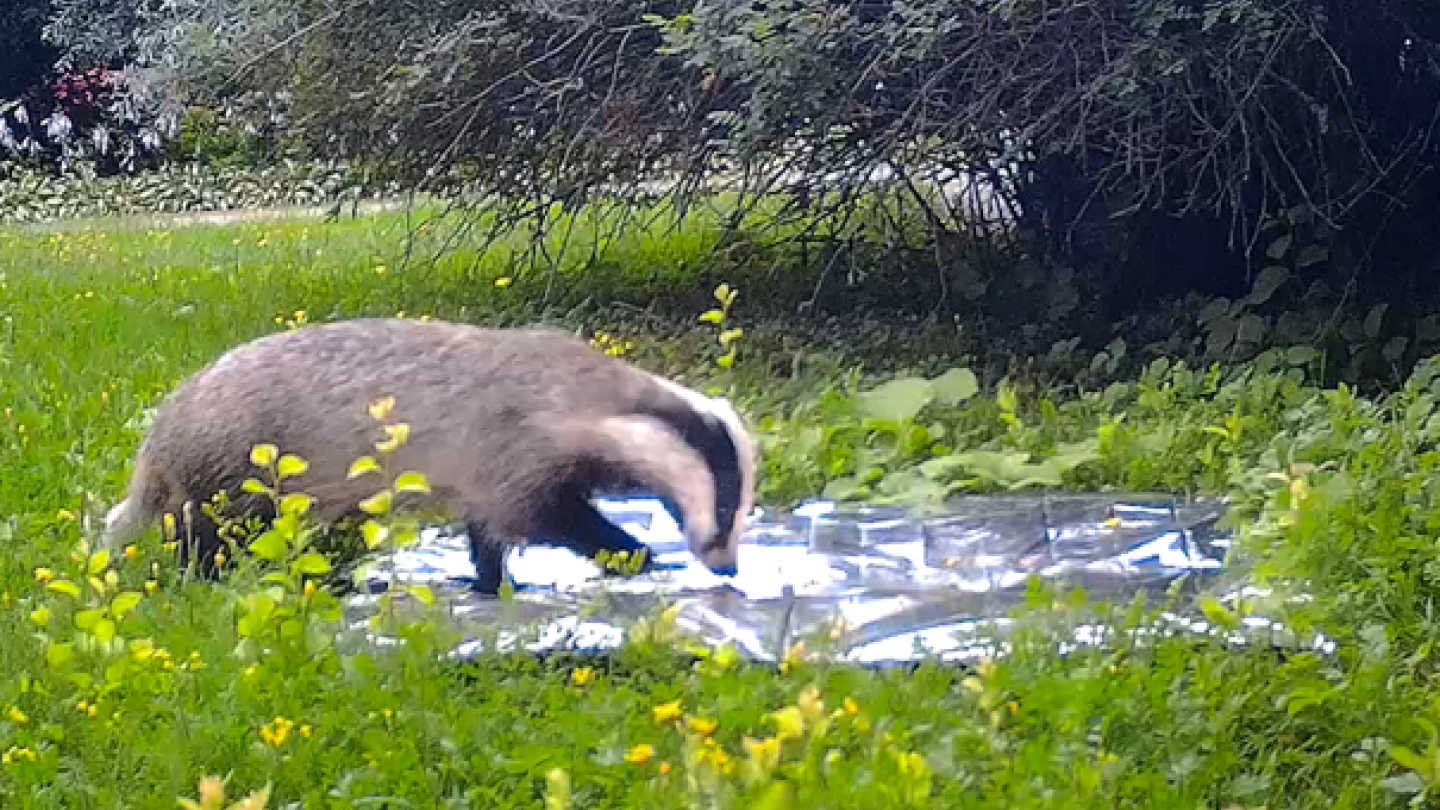
The experiments examine how boldly or curiously animals approach these objects or surfaces in order to access the food reward. An animal is interpreted as bold or curious if it moves confidently on the surface or attempts, for example, to lift the lid of a box. Shyer animals typically circle the feeding site cautiously.
Property owners who participate in the study will receive the wildlife camera videos recorded on their own property after the experiments have concluded.
If you would like to participate in the study and offer your garden or forest area for the next behavioural experiments between June and September 2026, you can read more about the research and sign up as a volunteer using the form below.
The research is funded by the City of Turku Urban Research Programme.