Scholars at Risk event highlighted the need for long-term support and academic integration
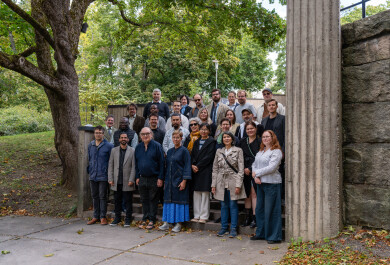
The event, organised at the University of Turku on 29 September, brought together researchers, university representatives and other experts to discuss the situation of scholars at risk, academic freedom and the support available to displaced academics in Finland.
Scholars at Risk (SAR) is an international network of universities and other academic institutions and individuals working to protect academic freedom and scholars facing threats because of their work. The Finnish section of Scholars at Risk, SAR Finland, was established in 2017. All Finnish universities are members of the network.
The event, SAR: Diversity, Freedom, and Scholars at Risk in Finnish Academia, examined the current state of academic freedom around the world, how Finnish universities can support scholars whose work, freedom or safety is threatened, and what kind of measures are needed to help displaced academic professionals build new professional and social lives in Finland.
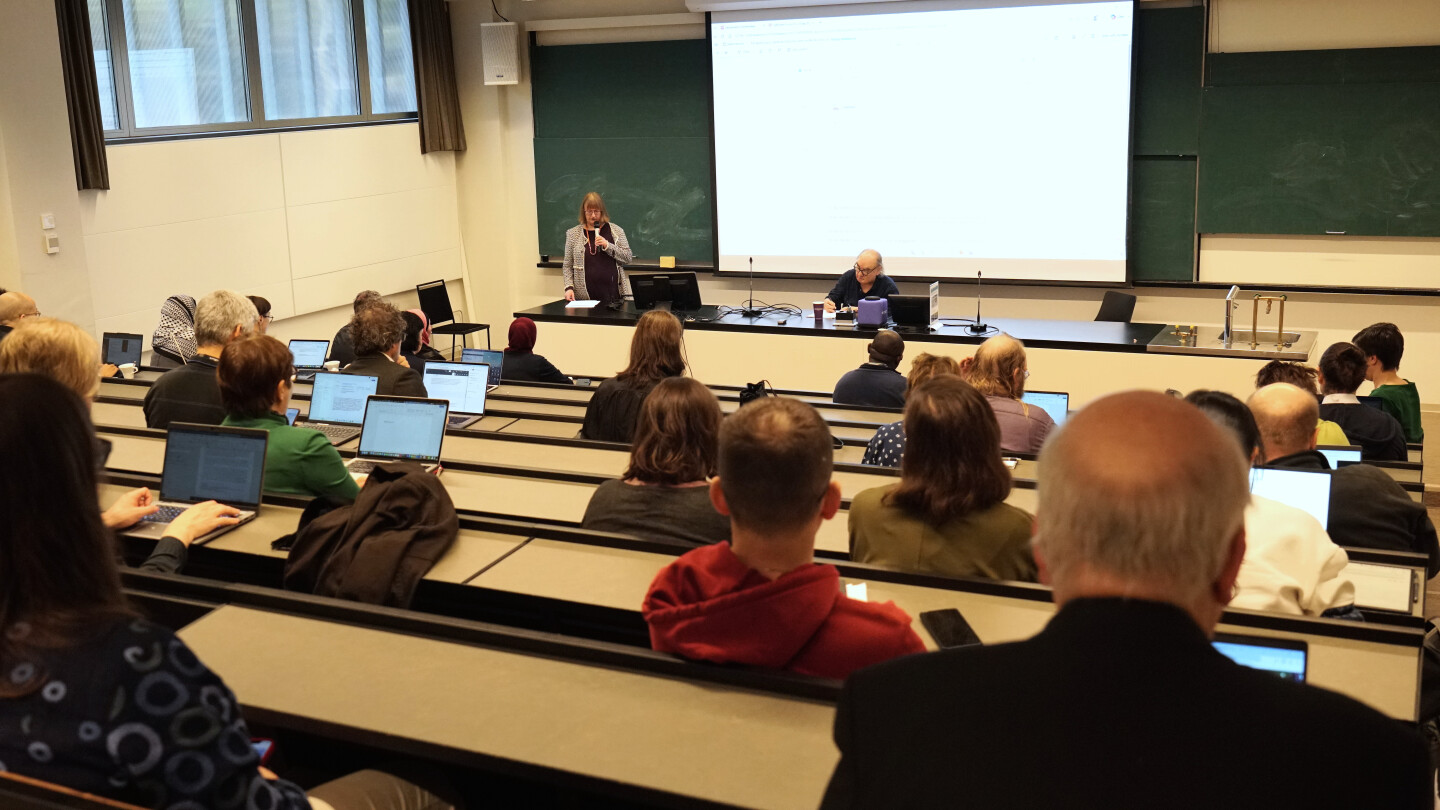
Academic freedom is a human right
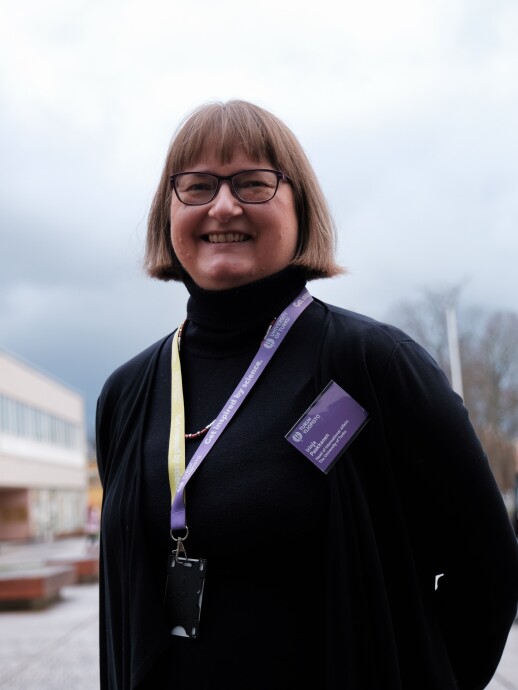
The event also celebrated Professor Martin Cloonan, Director of the Turku Institute for Advanced Studies (TIAS), who is retiring from the University of Turku. Cloonan has played an important role in coordinating Scholars at Risk activities at the University.
In his talk, Cloonan reflected on the global situation of scholars at risk and the development of SAR work in Finland.
Cloonan emphasised that academic freedom is a human right.
“It is there for humanity,” he said.
He reflected on the scale of the challenge facing those working to support scholars at risk. Global conflicts and other crises mean that the need for protection is vast. Cloonan said he was grateful that the University of Turku and its partners had been able to help some academics, while also acknowledging that many more need support.
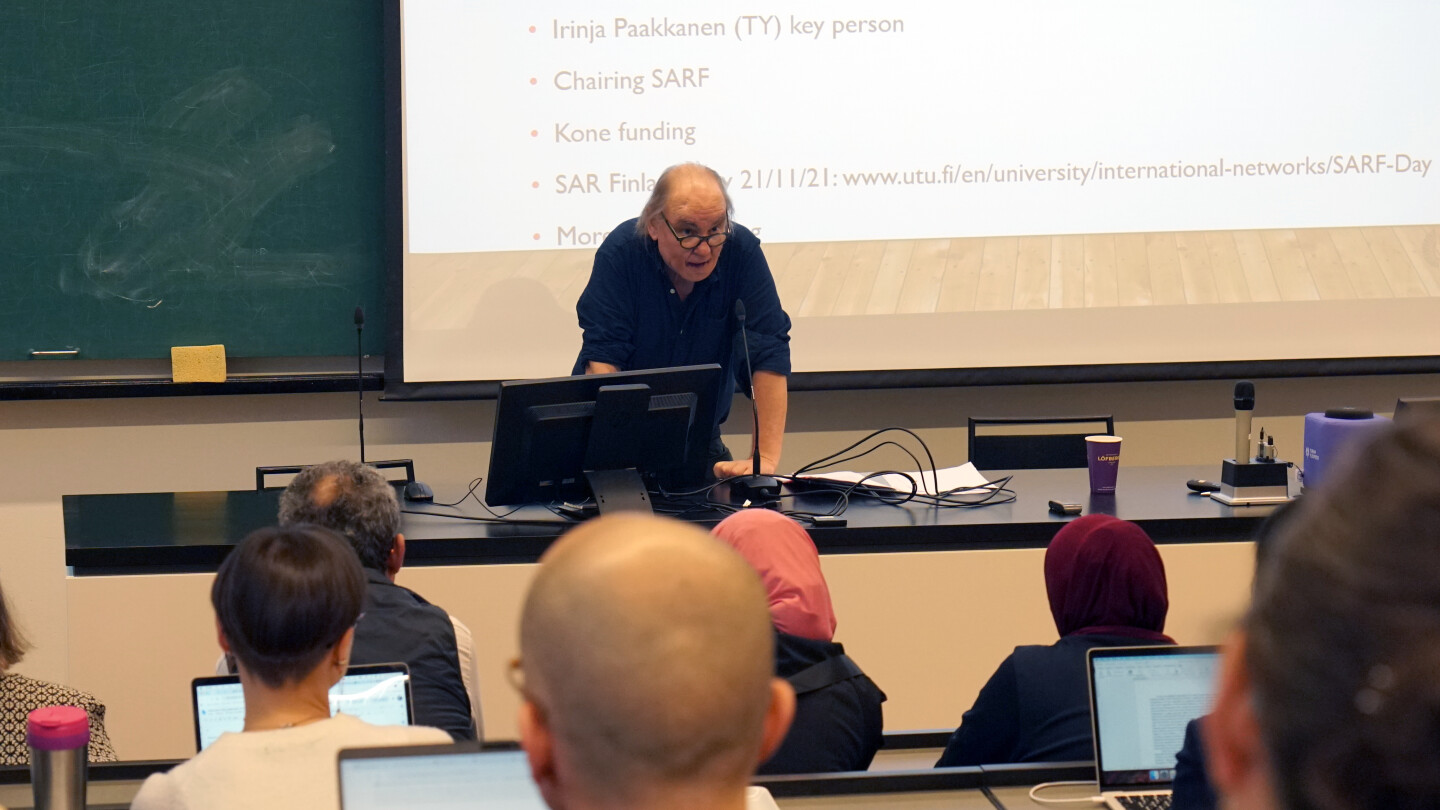
Reflecting on the role of institutes for advanced studies, he highlighted both opportunities and challenges in supporting scholars at risk through these structures. Their established recruitment processes and commitment to academic excellence provide an important foundation for research, while universities also need to consider how these structures can accommodate scholars whose academic careers have been disrupted by displacement.
Cloonan also pointed to the need for universities to take greater responsibility for funding for scholars at risk. Support for scholars at risk can easily become dependent on external funding, even though sustained support also requires internal resources. Securing such funding can be difficult, particularly in a competitive environment where resources are limited.
Despite these challenges, Cloonan stressed the value that scholars at risk can bring to their host institutions and wider society. He also stressed the importance of recognising SARs as academics first. Scholars arriving in Finland after displacement should have opportunities to continue their research, develop professionally and participate fully in academic communities.
Support needs to extend beyond temporary measures
The panel discussion, moderated by Professor Magdalena Kmak from Åbo Akademi University, brought together scholars with experience of displacement and academic work in Finland.The panellists participating in the discussion were Senior Research Fellow Hanna Mazheika and Collegium Researcher Oleksandra Nenko from the Turku Institute for Advanced Studies, and Postdoctoral Research Fellow Tahani Al Dahdouh from the Tampere Institute for Advanced Study.
The panellists described how displacement adds new layers of uncertainty to an academic career. Professional uncertainty is intertwined with financial circumstances, career prospects and questions of identity.
According to the panellists, short-term fellowships can provide an important first step, but they do not necessarily offer enough time to establish lasting professional and social connections. The discussion therefore highlighted the importance of longer-term support and genuine academic integration.
Universities can contribute by raising awareness of the experiences of displaced scholars, building networks and communication channels, and creating a culture in which members of the academic community take responsibility for one another. Scholars at risk should also be able to participate in academic and university activities beyond their immediate research positions and be recognised and valued for their expertise.
Polarisation creates new challenges for academic work
Dr Katalin Miklossy, Head of Eastern European Studies at the University of Helsinki, examined the challenges of politically polarised academic environments in Europe. Her presentation addressed the pressures researchers can face when studying politically sensitive topics, including difficulties in accessing data, political and social pressure, online harassment and concerns about the public dissemination of research.
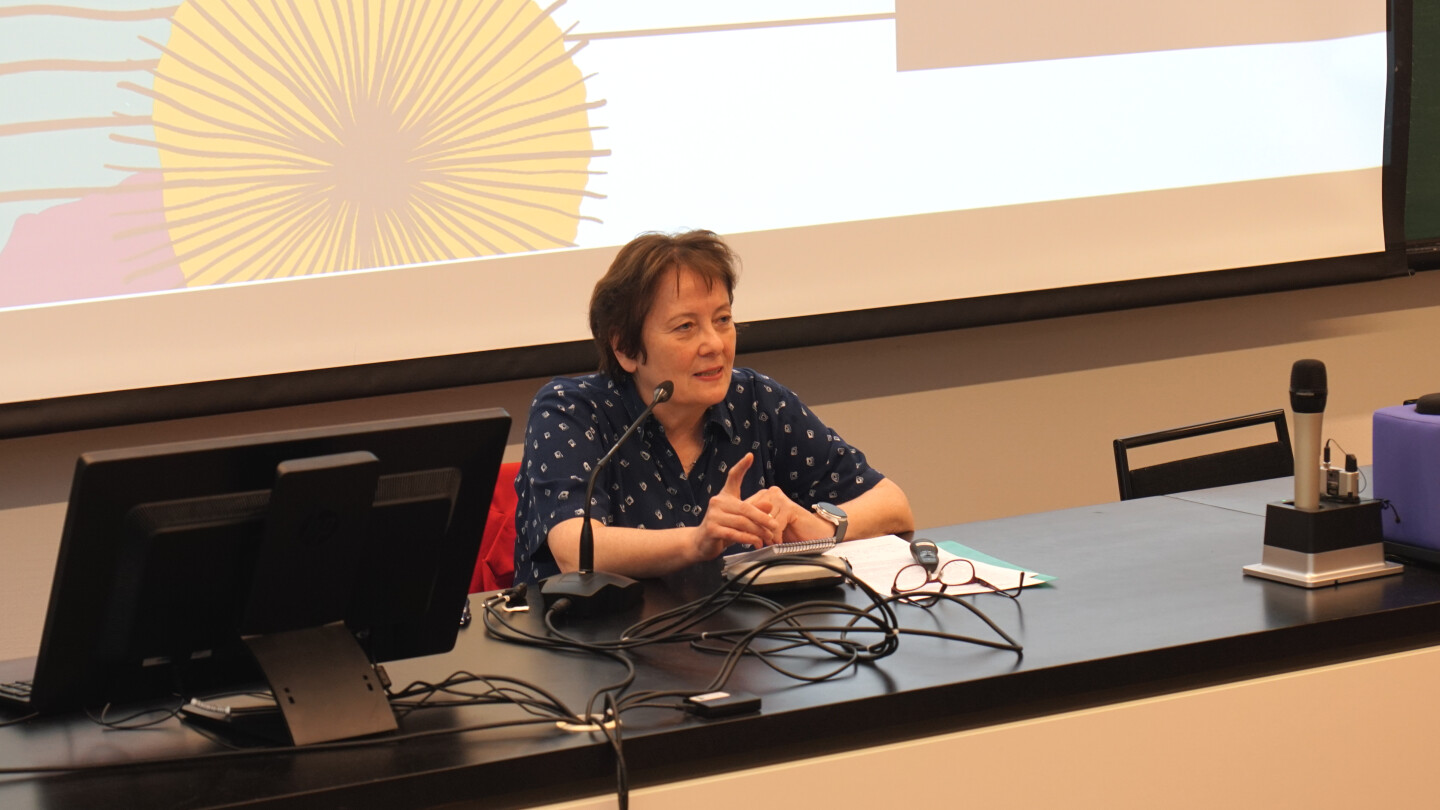
Miklossy also addressed how universities and research institutions are part of society and therefore reflect wider social tensions. Increasing polarisation can create pressure to interpret research through political or ideological lenses. Researchers may also face self-censorship because of public backlash or concerns about their reputation.
The discussion highlighted the need to protect the conditions that allow researchers to pursue questions openly, while also taking seriously issues such as privacy, security and the ethical use of research data.
Building support together
The event concluded with an open discussion moderated by Academy Professor Jari Kaukua from the University of Jyväskylä, the current Chairperson of Scholars at Risk Finland. The discussion covered issues including transnational repression, interdisciplinary communication, academic networks, the integration of scholars at risk, and their safety and security. The discussions underlined that supporting scholars at risk is not only a question of providing temporary funding or positions. It also involves creating opportunities for professional development, participation and belonging.
The event ended with a reception in honour of Professor Martin Cloonan. In their tribute remarks, Vice Rector Piia Seppänen and Dean of the Faculty of Humanities Marja-Liisa Helasvuo thanked Cloonan for his valuable work at TIAS, his efforts to foster a strong research environment in the collegium, and his important contribution to Scholars at Risk.
Edited 6 October 2026: names of the panellists added