An international research project led by the Biodiversity Unit of the University of Turku is examining how nature and different living environments affect people's perception of time. The results may guide the planning of cities and other living environments.
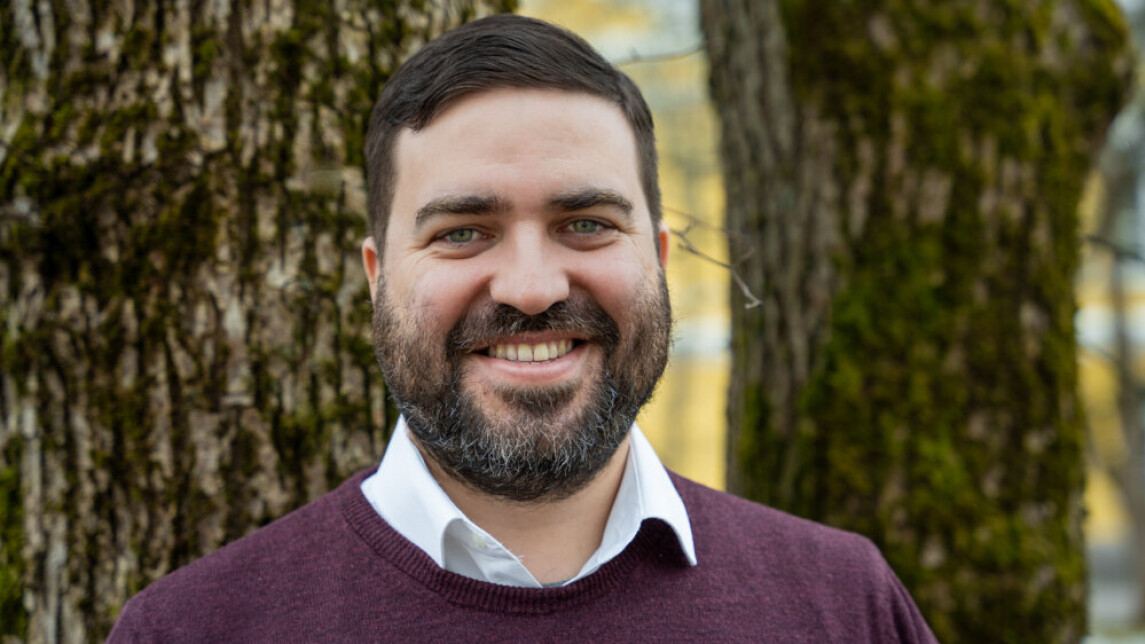
Experiences of time scarcity are common among people living in fast-paced urban environments worldwide. The NATURETIME project, led by Associate Professor Ricardo Correia at the University of Turku, aims to explore how nature can help regulate our perception of time.
"Urban residents living in fast-paced environments often feel time pressure, which impacts their well-being and behaviour. Our goal is to understand how nature experiences can positively influence our relationship with time and how this knowledge can guide the design of healthier and more sustainable living environments" says Correia.
The European Research Council (ERC) has awarded the NATURETIME project approximately €2 million through a prestigious Consolidator Grant—one of Europe’s most competitive funding schemes. This five-year grant supports mid-career researchers conducting high-level scientific research.
In this project, researchers are examining earlier hypotheses suggesting that natural environments positively influence people’s relationship with time and that these changes can encourage more environmentally-friendly behaviors.
"We expect our research to reveal which elements of natural environments contribute to regulate time perception, and in doing so, deliver practical insights that will help guide the design of cities and other living environments—supporting a healthy relationship with time, enhancing well-being, and fostering the sustainable behaviors needed to address environmental challenges," says Correia.