Forest resident birds avoid intensive clearcuts
New research reveals that resident forest birds avoid intensive clearcut areas, highlighting the need for more sustainable forestry practices.
Nearly two-thirds of boreal forests are managed for timber production. Clearcutting is a common timber harvesting method that removes most or all trees from a specific area at once, resulting in rapid habitat alteration for forest species.
Studies on the impacts of clearcutting on boreal forest birds are well-documented, but the majority of studies revolve around migratory species in the spring. However, resident forest birds, which are year-round and susceptible to local habitat alterations, can be viewed as important indicators of the consequences of clearcutting.
Researchers from the University of Turku, in collaboration with the University of Helsinki, investigated how clearcutting practices affect resident forest birds in Southwest Finland using Passive Acoustic Monitoring (PAM).
Acoustic data were collected for a week in early spring, when birds were settling in their territories, before (2020) and after half of the study sites experienced clearcutting (2024). Audio recordings were analyzed using a combination of artificial intelligence and human effort to identify 12 forest birds that are year-round residents.
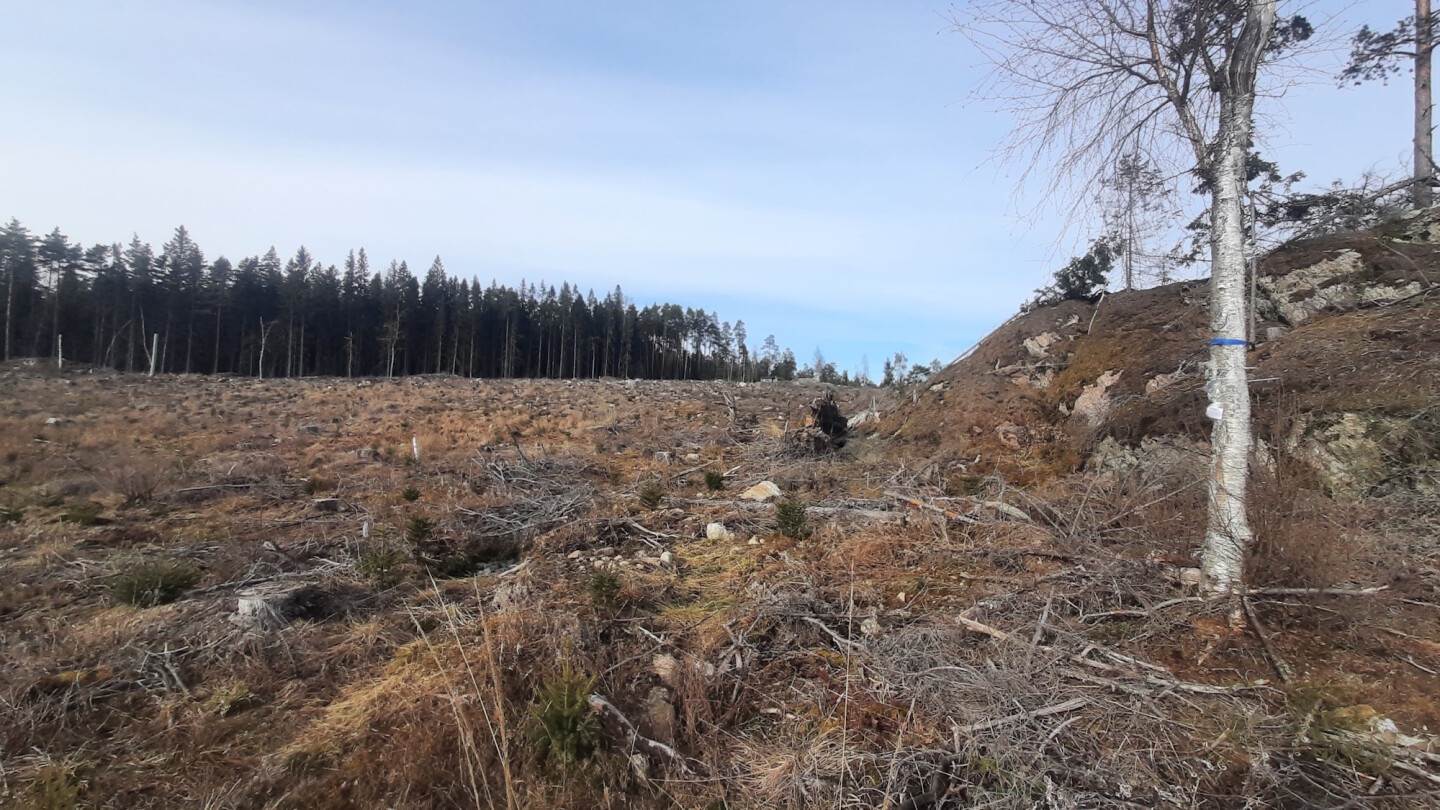
By comparing changes in bird vocal activity at clearcut and non-clearcut sites, researchers found that vocal activity declined significantly at sites where more than one-third of the forest had been removed within 100 metres of the audio recording device. This suggests that resident forest birds avoid using intensely clearcut forests.
More detailed analyses revealed that not all species responded equally strongly. The Eurasian Treecreeper showed a particularly strong tendency to avoid sites after both low- and high-intensity clearcutting. In contrast, the Crested Tit and the Goldcrest only responded negatively when clearcutting was intense. In contrast, the Black Woodpecker showed increased activity following clearcutting, likely due to temporary foraging and nesting opportunities in newly opened habitats.
“Unlike migratory birds, resident species remain in the same forests year-round, making them ideal for studying the consequences of local habitat alterations for biodiversity. Under EU law, the forest bird species we considered in our study are indicators of the health of the forest environment,” says professor Jon Brommer from the University of Turku.
The researchers suggest that the negative impacts of clearcutting can be reduced through management practices that better maintain forest structural complexity and habitat continuity. However further research is needed to evaluate which approaches best support biodiversity.
“Our results highlight the importance of considering biodiversity conservation in forest management decisions,” says lead author Pavan Chikkanarayanaswamy from the University of Turku.