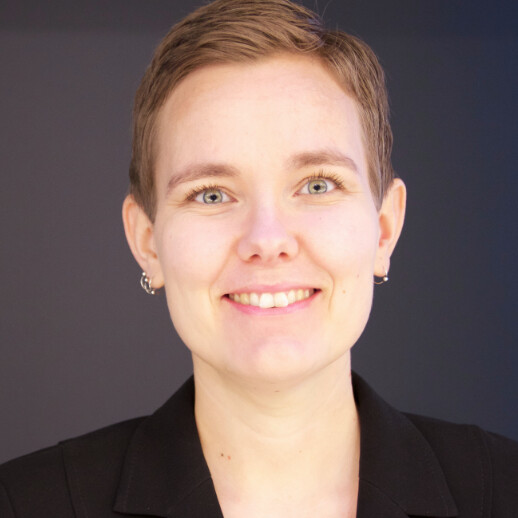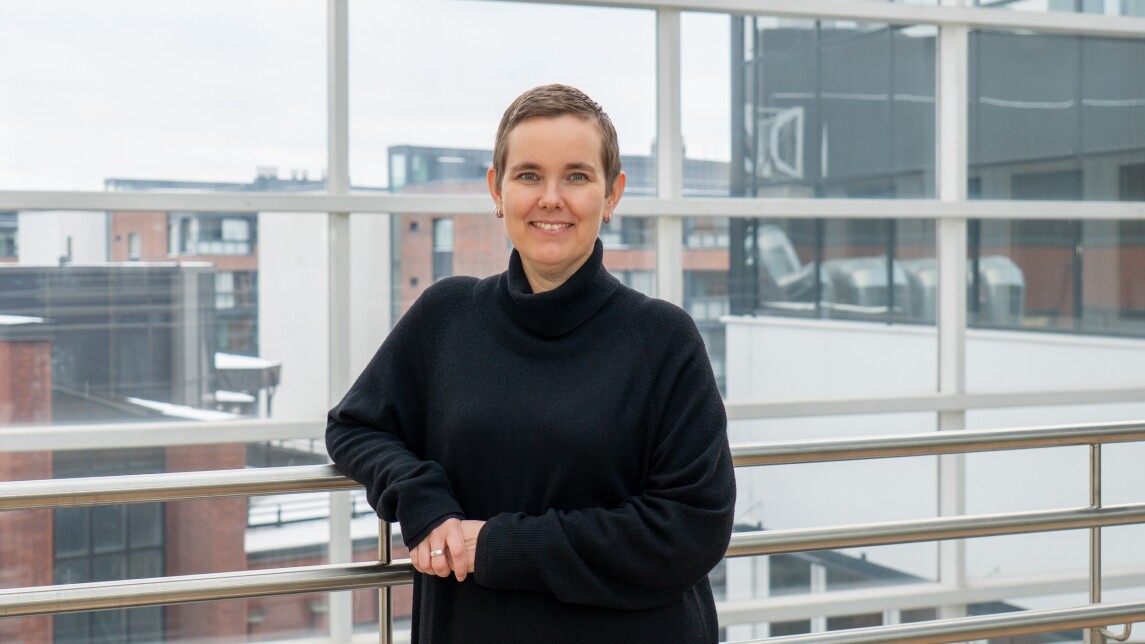
Laura Elo at University of Turku is awarded the Leif C. Groop Award for outstanding research on type 1 diabetes. Elo has developed methods which have helped increase the understanding of how type 1 diabetes develops at molecular level.
Laura Elo at University of Turku is awarded the Leif C. Groop Award for Outstanding Diabetes Research 2026. She is professor of computational medicine and has developed statistical and machine learning methods and powerful computational tools to interpret large-scale omics and other digital health data to advance understanding of prediction and progression of type 1 diabetes at molecular level. The knowledge can lead to improved stratification, risk assessment, monitoring and prevention of type 1 diabetes.
The Leif C. Groop Award is awarded annually by the swedish Lund University Diabetes Centre to a young investigator who is active in any of the Nordic countries.
“I feel very honored and humbled to receive this award. It’s an important recognition for me and my research group. We hope that our studies of how type 1 diabetes develops in different individuals will help prevent type 1 diabetes, delay the progression rate, and contribute to personalised treatments for those who develop the disease," says Laura Elo.
Large-scale analyses from follow-up studies
Elo is research director of the Medical Bioinformatics Centre (MBc) in Turku and InFLAMES group leader. MBC is home to about 20 researchers in computational medicine and bioinformatics. The centre specialises in functional omics, a field in molecular biology that studies how genes and proteins function and interact in different diseases.
The research group conducts large-scale analyses of blood samples from follow-up studies such as DIPP and INNODIA. DIPP is a Finnish population study which gathers data from children with genetic risk of type 1 diabetes, and the European followup study INNODIA collects samples from newly diagnosed individuals and their family members.
“We are very grateful to those who participate in these studies. Their contribution makes it possible for us to do our best to try to prevent the disease," says Laura Elo.
Studies of proteins
Laura Elo has studied associations between certain proteins and C-peptide and blood sugar levels in blood samples from newly diagnosed children in the INNODIA study. The levels of these proteins were associated with changing C-peptide levels in children with type 1 diabetes. C-peptide is measured to see if the body is still producing insulin in someone with diabetes. In a follow-up study, the researchers were able to confirm the results in another group of participants.
“We hope that the proteins we have identified can be used as markers to predict the rate of type 1 diabetes progression. If we gain a better understanding of the disease process, we may be able to develop interventions to prevent the disease or delay the progression of the disease," she says.
She also led a study which identified a gene expression signature that could predict the rate of type 1 diabetes progression in participants within the INNODIA study. Additionally, they found a gene expression pattern that was associated with a specific diabetes-related autoantibody.
“It’s important to study the disease from different perspectives to get the full view of the disease. We need to look at both proteins and genes to understand the disease. It’s like being a detective," says Laura Elo.
InFLAMES Flagship is a joint initiative of the University of Turku and Åbo Akademi University, Finland. The goal of the Flagship is to integrate immunological and immunology-related research activities to develop and exploit new diagnostic and therapeutic tools for personalised medicine. InFLAMES also develops diagnostics so that targeted therapies can be designed for individual patients. InFLAMES is part of the Flagship Programme of the Research Council of Finland.