Interactions between insects and vertebrates are extremely diverse, and go well beyond insects being an important food source, according to a new study.
What do chimpanzees, parrots, grizzly bears, bats and sloths have in common? A new study shows that these and many other vertebrates depend on insects in different ways, and that insect biodiversity is of considerable importance to them.
Researchers from the University of Turku and the Natural Resources Institute Finland (Luke) are part of an international research team whose review article has recently been published in Nature Reviews Biodiversity. The study brings together hundreds of studies conducted over several decades, providing a comprehensive overview of these interactions.
"We know that insects are an important source of food in ecological food webs, but our understanding of their roles in other interspecies interactions has been fragmented so far. Such a comprehensive review of the topic has not been done before," says Assistant Professor Laura Antão.
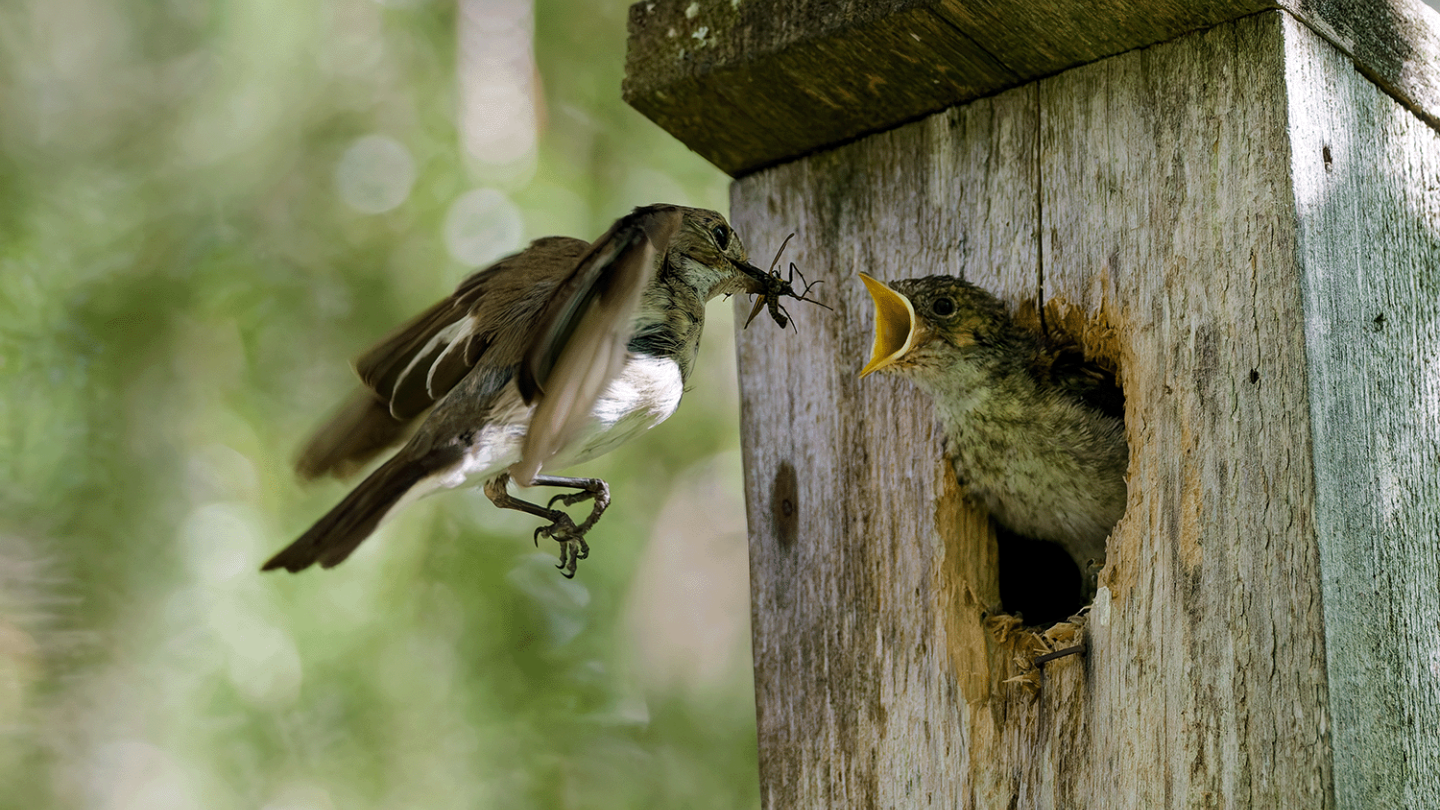
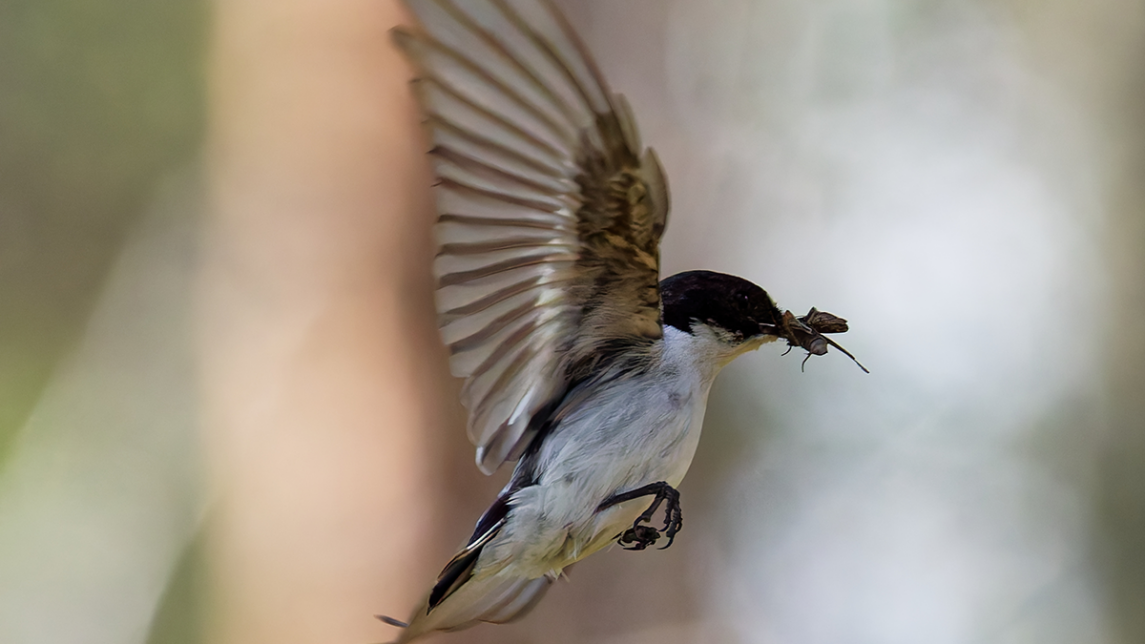
Insects are an important source of food for birds, fish, reptiles, amphibians and mammals, the majority of which use insects as food, at least to some extent and for the species for which there is some data. However, the new study highlights many other unique relationships between insects and vertebrates.
For example, herons use insects as bait to attract fish, poisonous frogs obtain their toxins from eating ants and beetles, and sloths rely on moths to spur algae – a key nutrient source – to grow in their fur.
Overall, the study highlights positive, negative and also indirect effects of insects on vertebrates, from providing food, structures, sanitation and protection to causing disease or even being predators.
"When we look at hundreds of separate studies and examples together, we are able to form a whole new understanding of how common these interspecies interactions are, and how they go beyond trophic relationships," says Antão.
The study also emphasised that data remain biased towards some groups and regions, which leaves a blind spot for the potential effects of declining insect populations on vertebrates that are dependent on insects.
Insects include an estimated 14–30 million species. In recent years, the populations of some insect species have declined alarmingly.
But we lack the systematic data and analyses needed to understand where and which species may be declining, and what the consequences might be, including for humans.”
Understanding the diverse roles of insects in vertebrate lives is also essential for designing effective conservation strategies.
"If we care about the success of vertebrate species, we must also care about the preservation of insect diversity, and at the moment, conservation measures are not effective enough," says Antao.
Photo: Sami Kivelä, Natural Resources Institute Finland (Luke)