The Swedish Karolinska Institutet repatriated 82 human skulls to Finland in 2024. Research has revealed that some of the individuals originate outside of Finland.
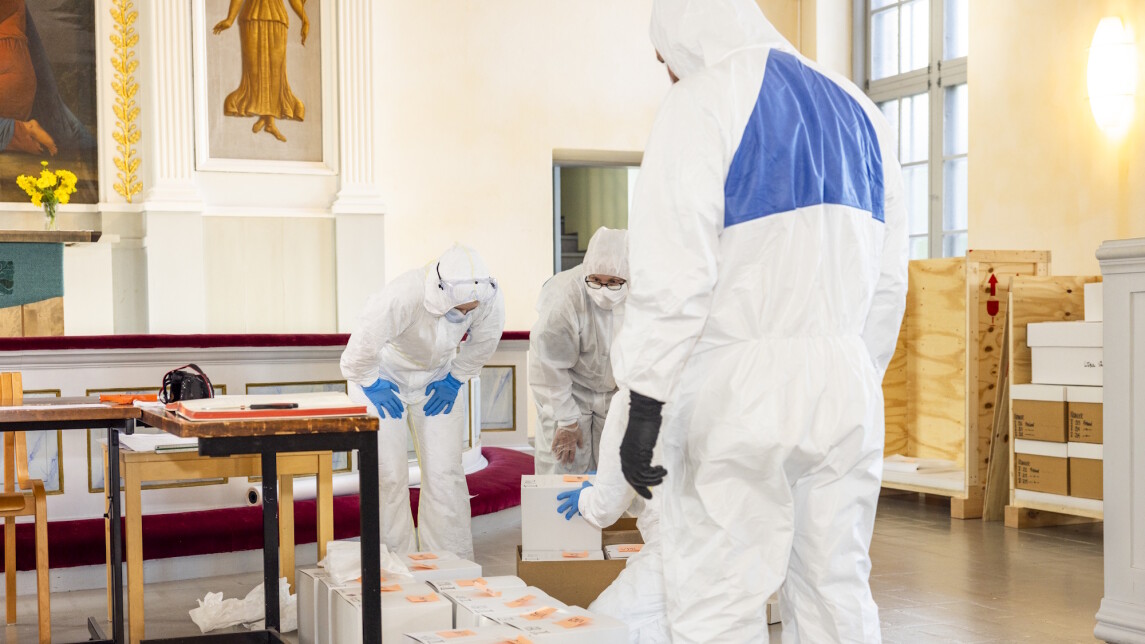
In August 2024, the Swedish Karolinska Institutet repatriated 82 human skulls to Finland. Some had been collected from Finnish cemeteries and churches during Gustaf Retzius's research expedition in 1873, while others had been donated to Sweden from the anatomical collections of the University of Helsinki.
New research on the human skulls repatriated from Karolinska Institutet to Finland has revealed that some of the individuals originated from outside Finland. The researchers are not disclosing more specific information about the individuals’ origins at this stage.
Questions remain about the origins of the skulls
“In the KAROL research project, which was launched in 2025, we investigate the origins and lives of these individuals by combining scientific methods with historical research. Most of the skulls collected from known Finnish burial sites have already been reburied. Research into the origins of the remaining individuals is ongoing to help determine appropriate arrangements for their burial,” explains Associate Professor and leader of the research project Ulla Nordfors from the University of Turku in Finland.
Archival records documenting the origins of some of the skulls have not survived. There are gaps in the collection histories, particularly for skulls transferred to Sweden from the anatomy department in Helsinki. A fire at Karolinska Institutet in the 19th century has further complicated efforts to establish their provenance.
"We have known from the beginning that surviving historical documents might not be sufficient to establish the origins of every individual," Nordfors says.
Individuals’ origins determine where the skulls should be repatriated
In the study of historical human remains, findings concerning individuals' origins can raise ethical questions, particularly when they are relevant to present-day communities or have implications for possible repatriation.
"We began studying the collection on the assumption that the individuals originated from Finland. However, it is not unusual for materials in historical anatomical collections to have become mixed over time,” Nordfors explains.
The researchers are not disclosing the preliminary assessments of the individuals' origins at this stage, as the research is still ongoing. However, Nordfors clarifies that the individuals in question are not Sámi.
Possible further research and decisions concerning the future of the remains will be considered in cooperation between the researchers and the relevant authorities and other stakeholders.
KAROL is an interdisciplinary research project funded by the Kone Foundation and the Pirkanmaa Regional Fund of the Finnish Cultural Foundation. The project is led by Associate Professor Ulla Nordfors at the University of Turku.