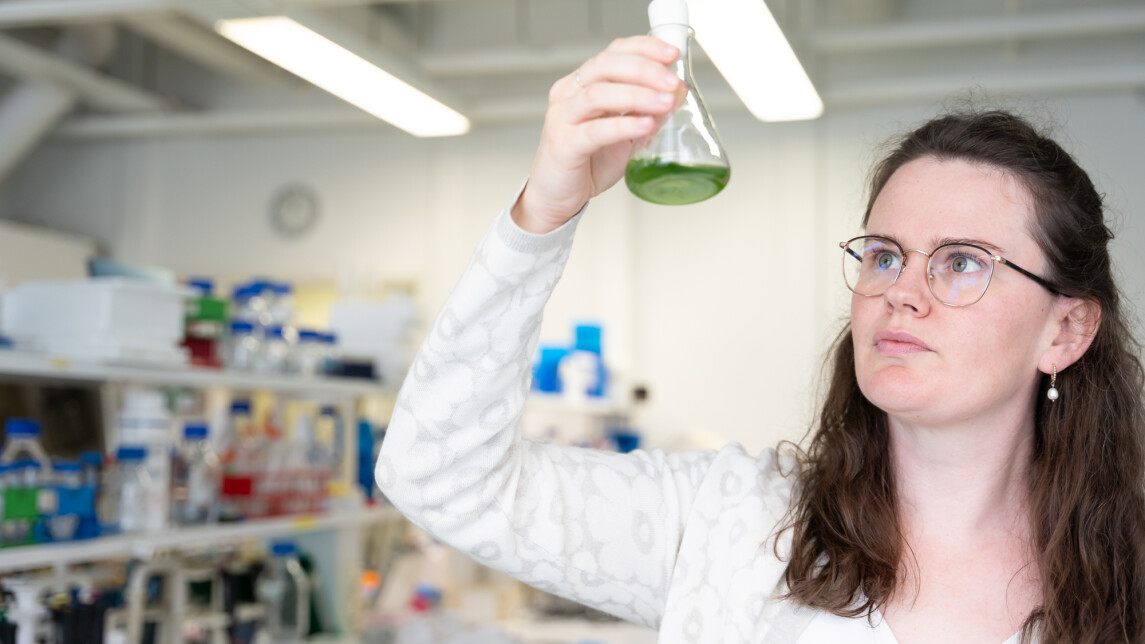
Science enables the most amazing innovations, but they require well-resourced basic research, says Laura Wey, an Academy Research Fellow in Molecular Plant Biology. According to her, bioelectricity may be part of the solution to the climate crisis in the future, but real change requires a variety of approaches and lifestyle changes.
Could photosynthesis be harnessed for future electricity production using biological solar cells?
According to researchers, this is a possible vision, but first the functioning of photosynthetic organisms needs to be understood more precisely. This is precisely what Laura Wey, an Academy Research Fellow at the University of Turku, is focusing on.
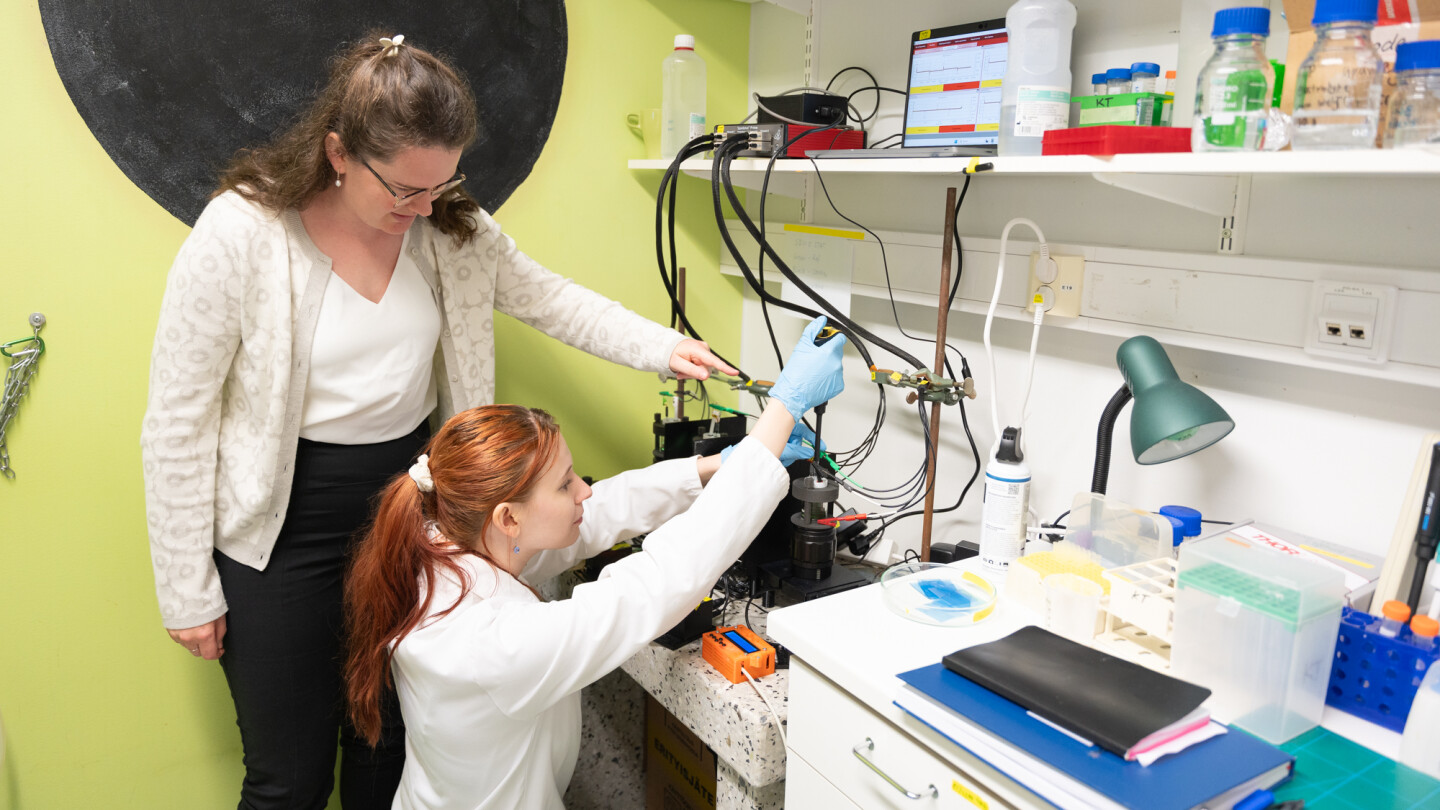
She leads a molecular plant biology research group called Bioelectricity in Plants, which began its work last fall and studies the photosynthesis processes of various organisms. The organisms involved include not only plants, but also various algae, and cyanobacteria. In the future, her team will also test unusual species such as moss and ancient cyanobacteria.
One might think that photosynthesis, familiar to everyone from school biology classes, would already be thoroughly understood in science, but according to Wey, this is not the case. There is still much to be discovered.
“We study how organisms regulate the photosynthesis process, for example, through circadian rhythm and carbon metabolism. Different photosynthetic organisms have different processes. Comparative studies have found that some organisms produce bioelectricity differently during photosynthesis, which is interesting from the perspectives of evolution and ecology.”
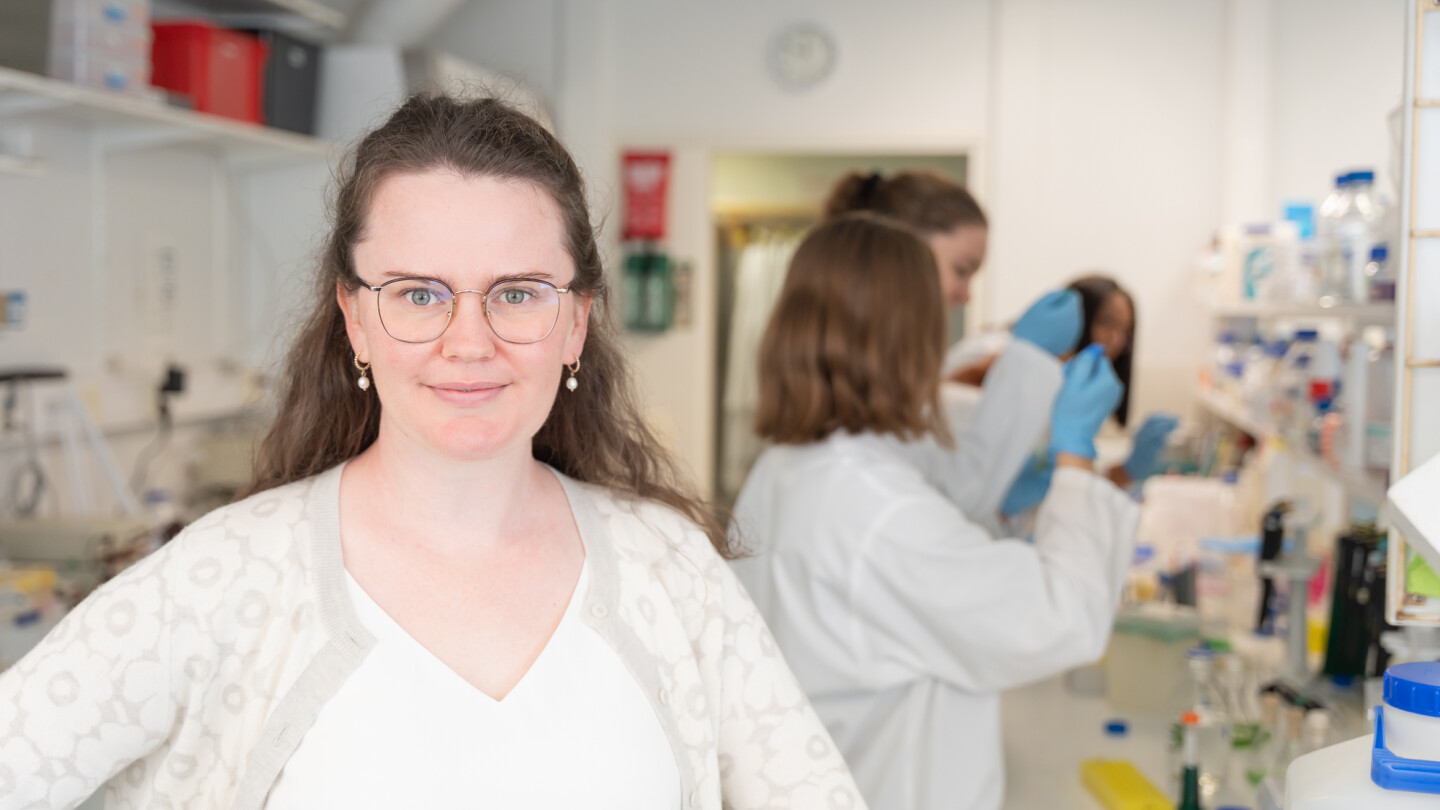
Wey mainly studies cyanobacteria, which are also called blue-green algae, although they are not actually algae.
“Cyanobacteria are excellent research subjects because they are evolutionarily ancient and structurally simple. A deeper understanding of connectivity offers many opportunities for the development of biotechnology.”
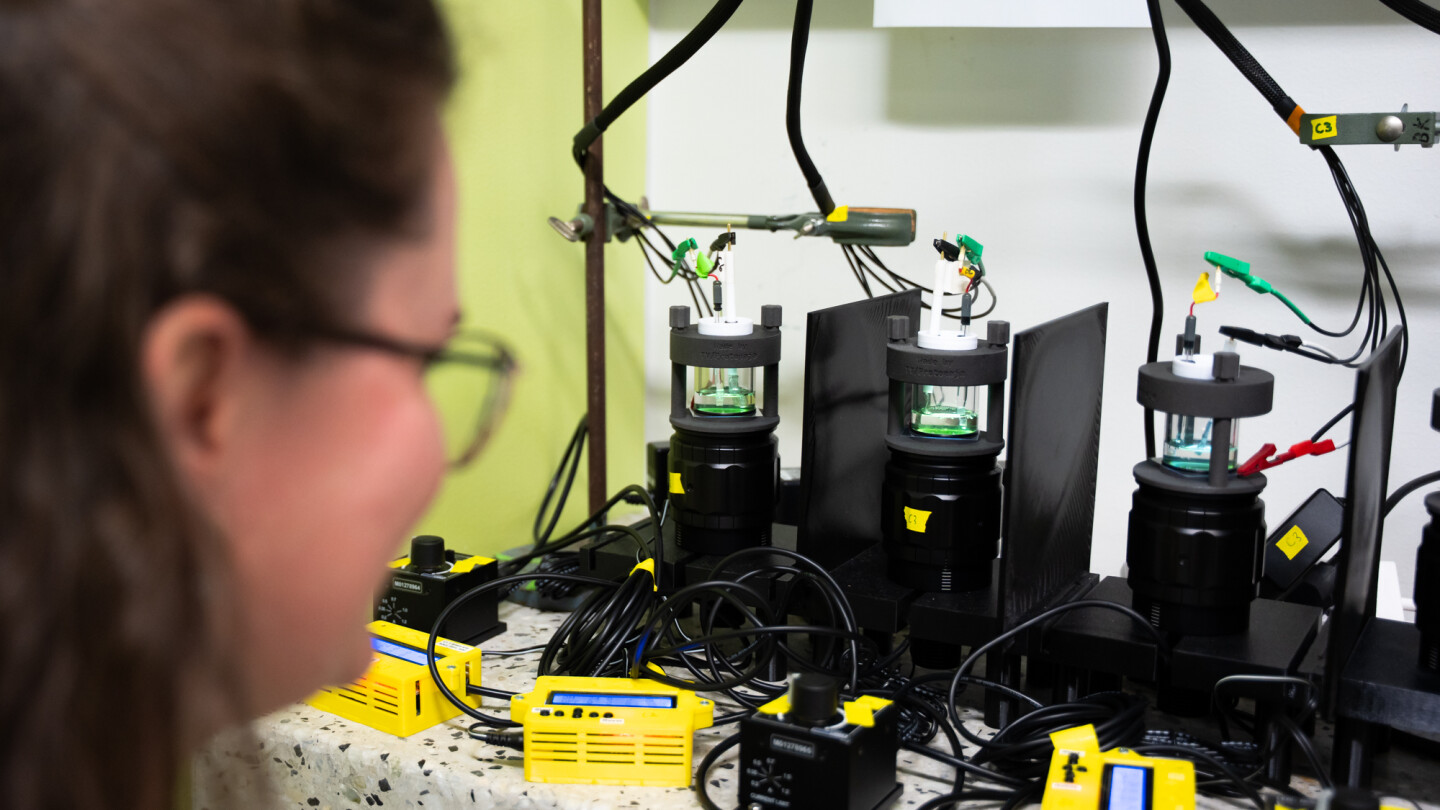
So far, pioneering biotechnologists from Laura’s previous group in the UK were able to use bioelectricity to power a microprocessor for half a year. Large-scale biopholtovoltaics that would harness the electricity produced by photosynthesis for the benefit of society are still far from reality.
Wey's research group focuses on plant sciences and photosynthesis, but renewable bioenergy technology is developed in collaboration with researchers from different fields.
“Our research is truly multidisciplinary, because we have to consider biophysics, biochemistry, evolutionary biology, and computational approaches.”
Science as an international team effort
Originally from Sydney, Australia, Wey first studied in her home country and completed her PhD at Cambridge, UK. She started at the University of Turku in September 2021. Wey travels a lot for her research, including to Germany, the USA and England.
“Science is truly an international team effort.”
Nowadays, researchers are often directed towards projects that quickly lead to practical applications, which Wey considers problematic.
“Understanding comes from decades of long-term work in basic research. It is a massive challenge to try to understand the diverse mechanisms of photosynthesis.”
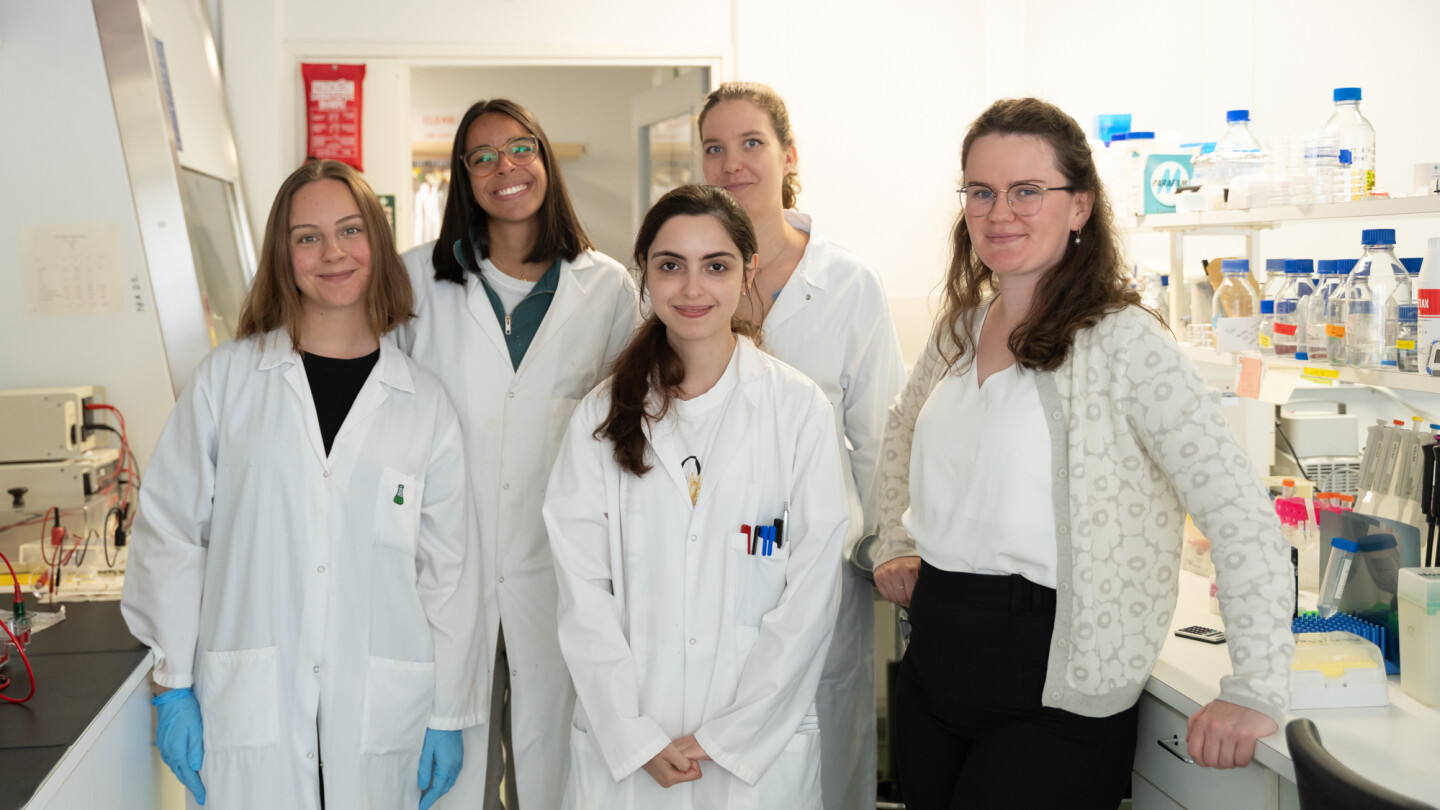
An academic career is highly competitive, not least when it comes to funding applications. Wey has been very successful in these, as her nine-person research team is currently funded by Nordforsk, the Research Council of Finland, the Nesling Foundation, the University of Turku Foundation, and Novo Nordisk.
“I am really happy to be able to lead this kind of research. I have enjoyed my time so far in Turku, and I hope I can stay here,” Wey says.
Research creates hope
Wey has been studying photosynthesis since her bachelor's degree.
Photosynthesis is affected by various dynamic environmental conditions. For example, the photosynthesis of a cyanobacterium blooming in the ocean changes when the sun goes behind a cloud. Excessive light, on the other hand, can disrupt the photosynthesis process and even harm the organism.
Just like a houseplant that gets too much sunlight in the hands of an unfortunate green thumb will die.
Organisms use a variety of molecular defense mechanisms to keep cells alive, Wey explains. Researchers are trying to understand these mechanisms and how they could best be harnessed for bioelectricity production.
A better understanding of the photosynthesis process can also help create more accurate climate models and predict the behavior of crops that are moving further north.
“It's about a fundamental understanding of the world around us.”
How does Wey manage to stay enthusiastic about research, even though it often seems that no amount of research data will persuade the world’s decision-makers to act to stop the climate crisis?
“I feel that there is a lot of hope and positivity associated with my field of research. Everyone has their own strengths, and research is what I can do for my part. A deeper understanding of the world around us is also meaningful to me.”
Wey also considers science communication important. She wants to create bridges between the research world and decision-makers and is also involved in the Young Science Academy.
“It is important for everyone to use their own means and skills. The solution to the climate crisis cannot be left to scientists alone.”
As a society, we want to rely solely on technological solutions to combat climate change, Wey laments. In reality, a variety of approaches – and lifestyle changes – are needed.
“Bioelectricity won't electrify the entire world, but I hope I can play a part.”
Text: Rosa Lampela
Photos: Suvi Harvisalo