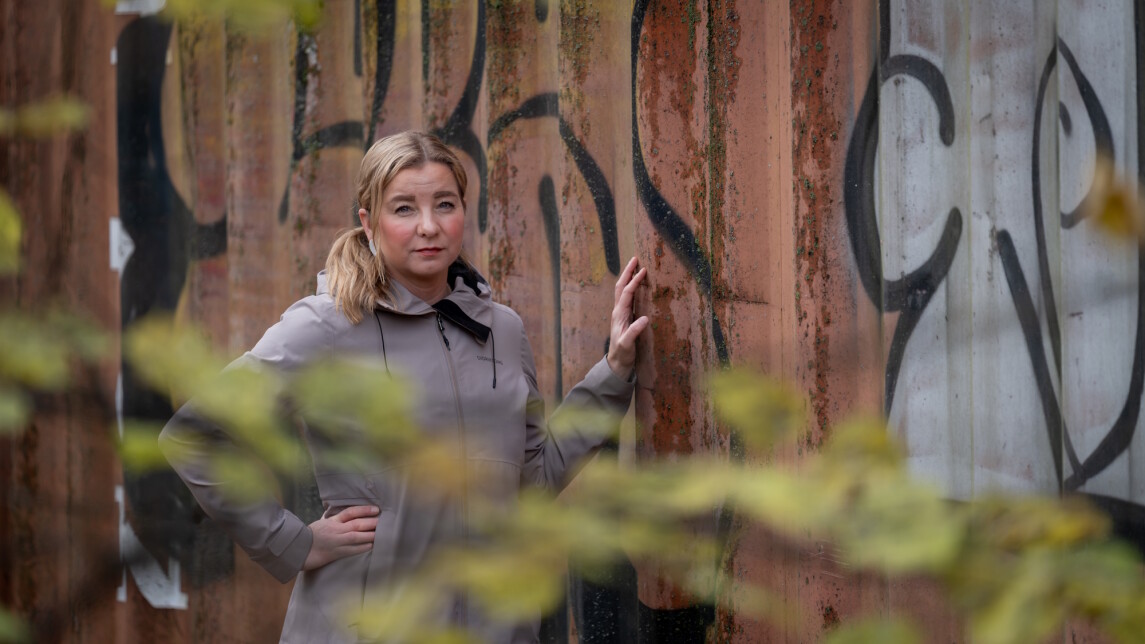
Professor of Psychology Kirsi Peltonen has been studying the impact of war and violence on children and young people for over 20 years. Next, she wants to find out what factors sustain young people’s resilience in times of crisis and help them build peace.
When Kirsi Peltonen was in sixth grade at school, she got to give a presentation on a topic of her choice. Peltonen wanted to speak about Apartheid, the system of racial segregation and oppression in South Africa. The presentation was long, and her peers began to get tired during it. However, Peltonen’s teacher allowed her to continue even after the break.
“I was interested in how and why there can be such injustice in the world,” says Peltonen.
The same question continues to weigh on her mind, even after studying the impact of war and violence on children and young people for over 20 years. She finds it remarkable how much more is now understood about the trauma of war and its effects compared to the beginning of her career.
“War has an impact on the mental health of children and young people, as well as on their cognitive and social abilities. It consumes people's mental and physical resources so thoroughly in the struggle for survival that they have no energy left for other things,” she continues.
What is known about the effects of war on children and young people?
|
What motivates Peltonen to study such a heavy and painful topic, is the aim of reducing inequality amongst children and young people.
What motivates me the most, without a doubt, is working to ensure that children have as equal an opportunity as possible to enjoy life, make friends, and shape their own future, regardless of where they were born or what has happened.
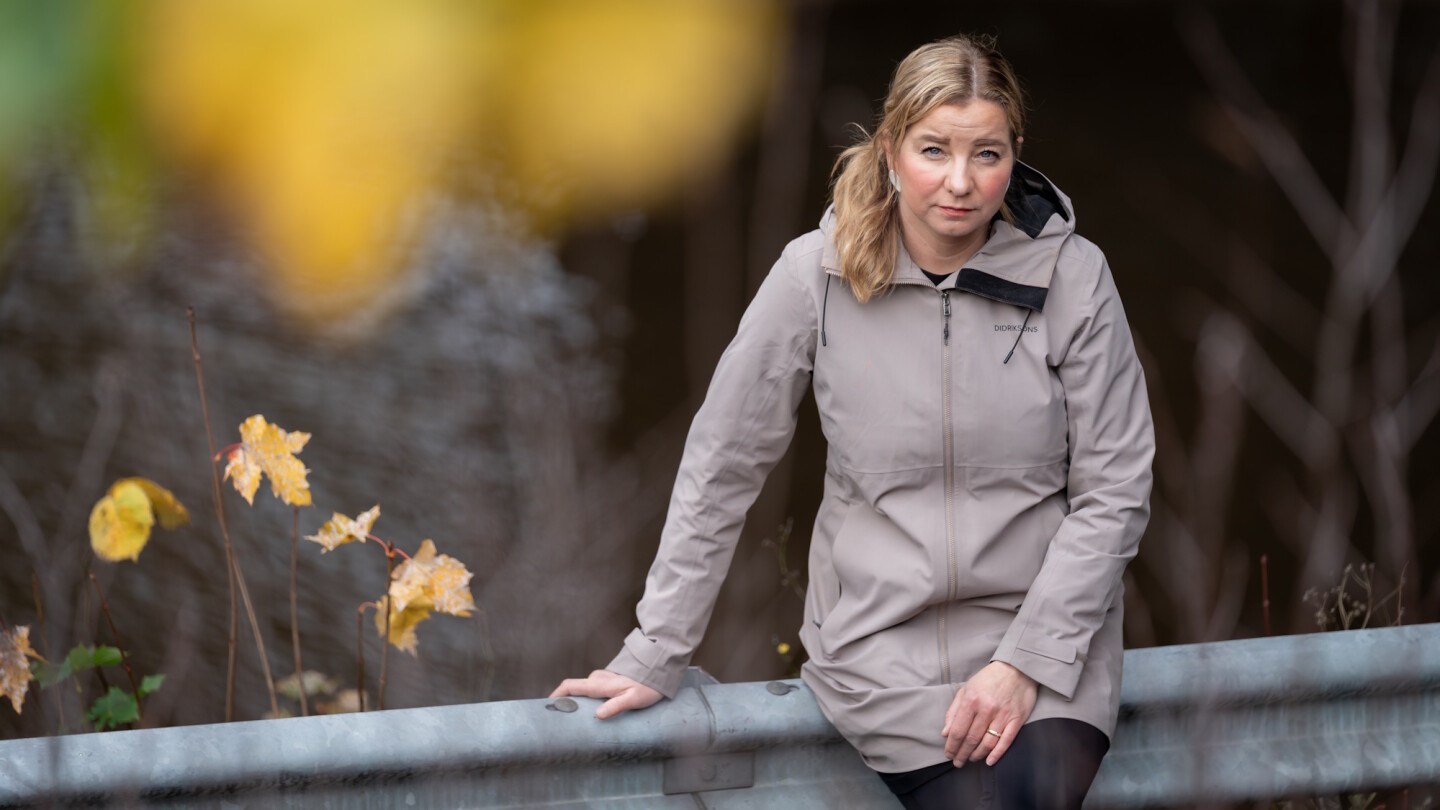
Goal is to help as many people as possible
Although studying the effects of war is part of everyday work for Peltonen, she is not immune to the emotional reactions the subject provokes. When 90 percent of the schoolchildren aged 9–12 living in Gaza responded in the survey, conducted by Kirsi and her Gazan colleagues, that they had been afraid of being shot on their way to school, the knowledge was painful for Peltonen.
“On the other hand, the sense of agency is known to protect people. In addition to the effects of war, I have always wanted to explore how we can help people who have been affected by war.”
In several of her research projects, Peltonen has developed interventions or studied the effects of a previously developed intervention on alleviating trauma symptoms in children and young people. She has carried out this kind of research in collaboration with local researchers and clinicians, for example in Gaza, Uganda and Ukraine.
“In Uganda, we are currently conducting a study that provides a low-intensity intervention to the mothers of families that have been affected by war. The aim is to teach participants to recognise how traumatic events impact mental health. We study whether the support offered to mothers also has an impact on the well-being of their children.”
Peltonen finds that it is important to implement scalable measures so that support can be provided to as many people as possible. A good example of this is the Nadija children's hospital currently being built in Ukraine. The initiative has involved the establishment of a research foundation and a virtual hospital, which is due to open very soon.
“All Ukrainian families will be able to access the virtual hospital’s digital mental health services. Construction of the hospital building will, hopefully, begin next year. The hospital will care for physically injured patients, but the priority is to focus on psychological injuries and on treating these traumas together,” says Peltonen, who is chairing the Nadija Research Foundation’s Scientific Advisory Committee.
How can we raise a generation that strives to build peace?
In addition to the studies related to conflict and war zones abroad, Peltonen is currently conducting a project focusing on the mental health and social and cognitive abilities of children from refugee- and other immigrant backgrounds attending Finnish schools.
“Our study revealed that social perception, such as recognising emotions on another person’s face, was weaker in children who showed signs of trauma. In children with a refugee background, symptoms of trauma were associated in particular with the capacity of their short-term memory, which may, for example, result in the children finding it difficult to remember the instructions they have been given,” explains Peltonen.
Recently, Peltonen has become interested in a new topic that she would like to focus on next: mental resilience. She finds this topic relevant also in Finland—in the same way as, for example, putting together a home emergency supply kit.
“Mental resilience means that different professional groups and members of the public would be able to continue to function even during times of crisis. While such talk may increase the sense of threat, in practice it means that we are taking care of mental health.”
Peltonen would be interested in studying the factors that sustain individual resilience in times of crisis and support peacebuilding. How can we raise a generation that strives for good rather than destruction?
“The sense of despair among young people may be reflected in their willingness to contribute to the collective efforts to build peaceful nations. I would like to study how we could support young people from the point of view of peacebuilding and resilience,” says Peltonen.
Text: Jenni Valta
Translation: Saara Yli-Kauhaluoma
Photos: Antti Tarponen