Researchers have discovered new species of tarantulas that are so aggressive that the males have evolved record-length genitals to survive mating.
An international research team led by the University of Turku has discovered four new species of tarantulas on the Arabian Peninsula and the Horn of Africa that differ significantly from other tarantulas.
"Based on their structure and genetic characteristics, they are so distinct from their closest relatives that we had to establish an entirely new genus to classify them, and we named it Satyrex," says Dr. Alireza Zamani from the University of Turku, who led the research.
The genus name is a combination of the words Satyr and rex. A satyr is a character from Greek mythology, part human and part animal, with exceptionally large genitals. The Latin word rex means king.
Why were satyr and king chosen for the name?
“The males of these spiders have the longest palps, or mating organs, among all known tarantulas. Our preliminary assumption is that the long palps might allow the male to keep a safer distance during mating and help him avoid being attacked and devoured by the highly aggressive female,” Zamani explains.
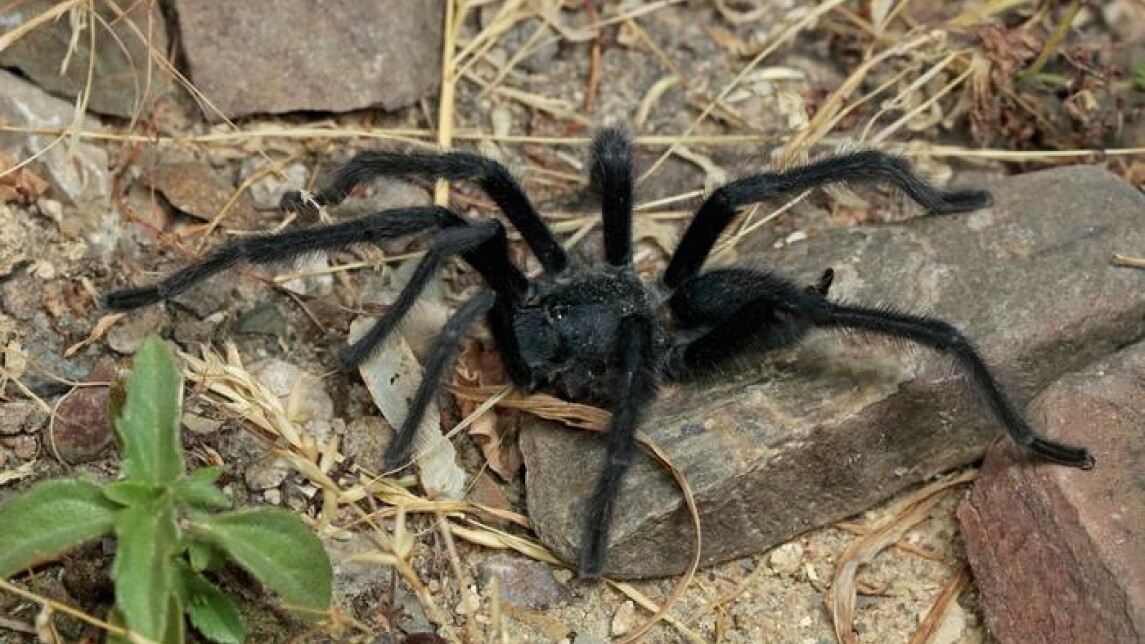
The largest species in the Satyrex genus is Satyrex ferox, which has a legspan of about 14 cm, and the male palp can reach an incredible length of 5 cm, which is almost four times longer than the front part of the body, and almost as long as it longest legs. The typical length of the palps in tarantulas is 1.5-2 times the length of the front part of the body.
“The name ferox means fierce, and is well suited to this species, which is highly defensive. At the slightest disturbance, it raises its front legs in a threat posture and produces a loud hissing sound by rubbing specialized hairs on the basal segments of the front legs against each other,” Dr. Zamani explains.
As for the others in the group — the researchers named S. arabicus and S. somalicus after their respective regions of origin, while S. speciosus gets its name from its bright and beautiful coloration.
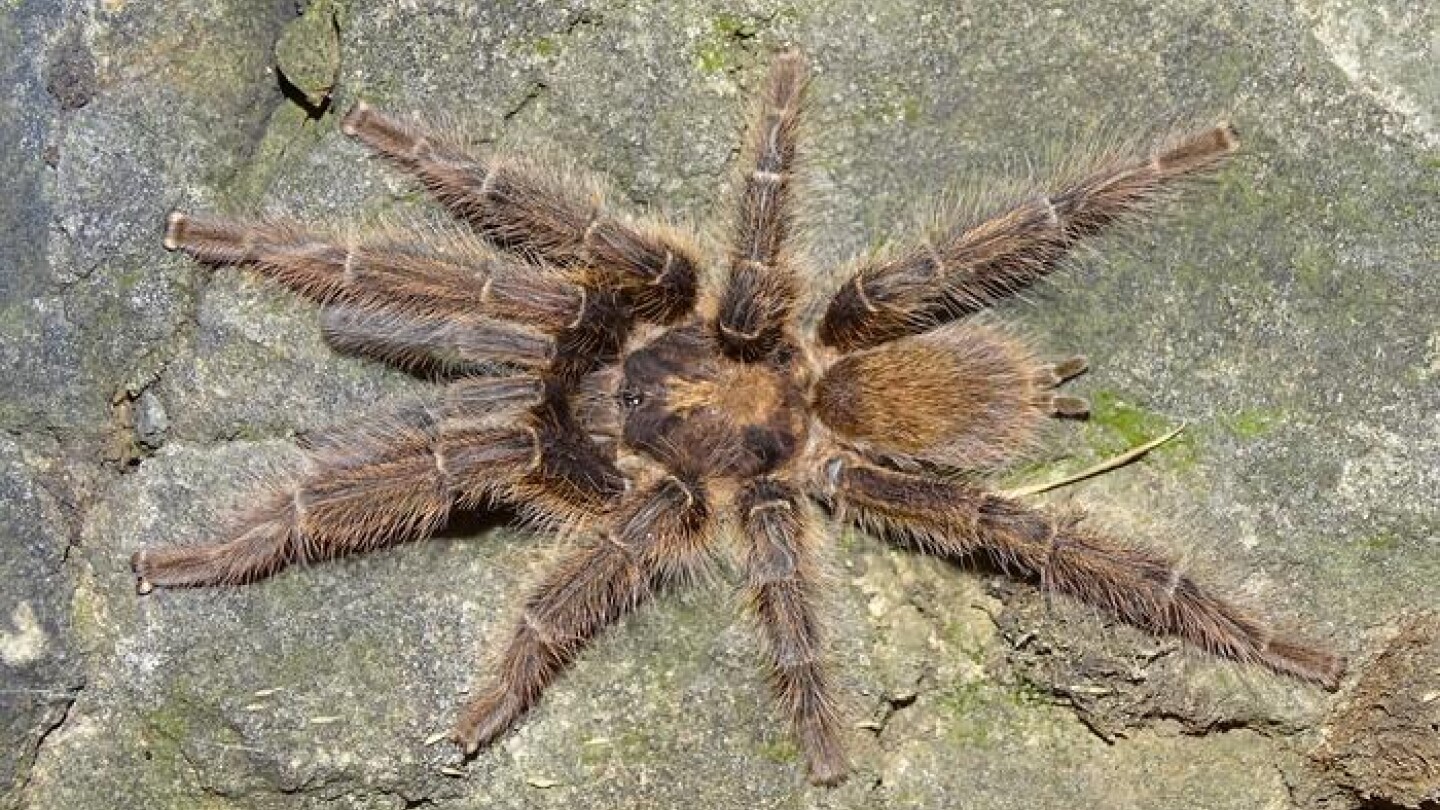
“Satyrex longimanus, despite also having an elongated palp, was formerly classified in the genus Monocentropus, where the male palp is only about 1.6 times the length of the carapace. The much longer palps of S. longimanus and the four recently described species were the main reason we decided to establish a new genus for these spiders instead of placing them in Monocentropus,” Zamani says.
All members of this genus are fossorial, meaning they live underground, in burrows at the base of shrubs or between rocks.
The study was published in the open-access journal ZooKeys.
Image at the top of the page: Satyrex ferox, male, from Oman. Credit: Bobby Bok