Even brief exposure to the insecticide used in mosquito repellents can significantly impair bumblebees’ ability to find their way back to the nest. The bumblebees’ ability to navigate back to the nest is vital to the survival of the entire colony.
In the summer, many people turn to mosquito repellents to reduce the insects’ buzzing and bites. One solution that has become increasingly popular in recent years is the Thermacell device, which releases vaporized, pyrethroid-based insecticide prallethrin into the air. There has been much discussion in recent years about the effects of this substance on nature and pollinators in particular, but research data has been limited.
Researchers from the University of Turku and University of Oulu in Finland studied how prallethrin impacts bumblebees’ behaviour. The results of the study show that even a brief exposure to the insecticide can significantly impair bumblebees’ ability to find their way back to the nest.
“For bumblebees, returning to the nest is no small matter, on the contrary, it is essential to the survival of the entire colony. If the workers cannot find their way back, the nest will not get any food,” says Senior Research Fellow Olli Loukola from the University of Turku.
Impact on navigation was clear, but exposure did not increase mortality
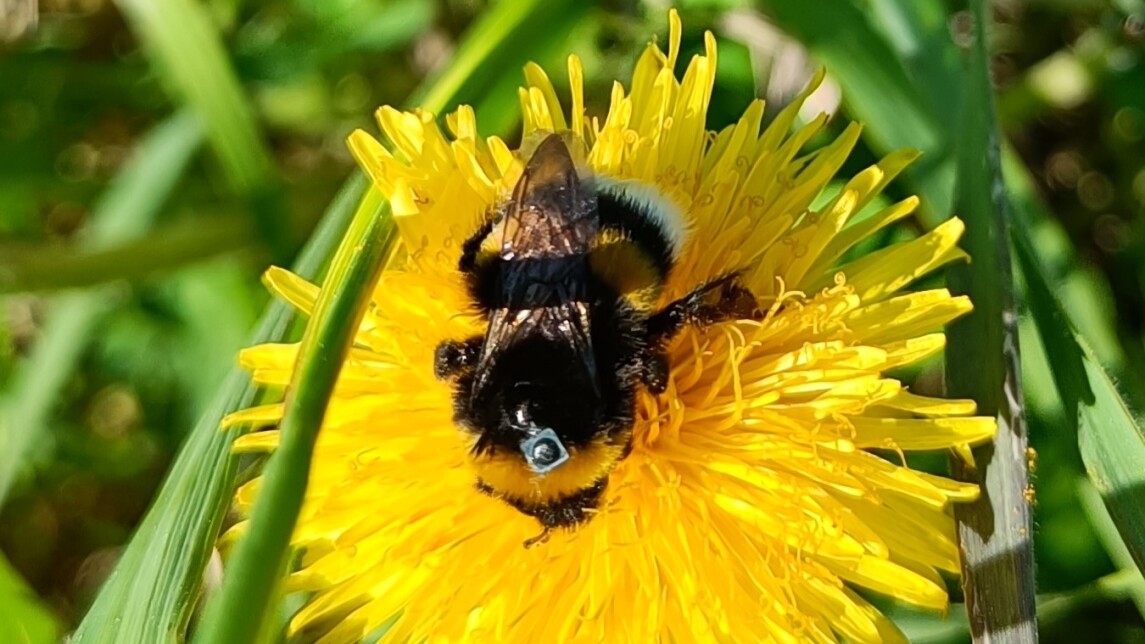
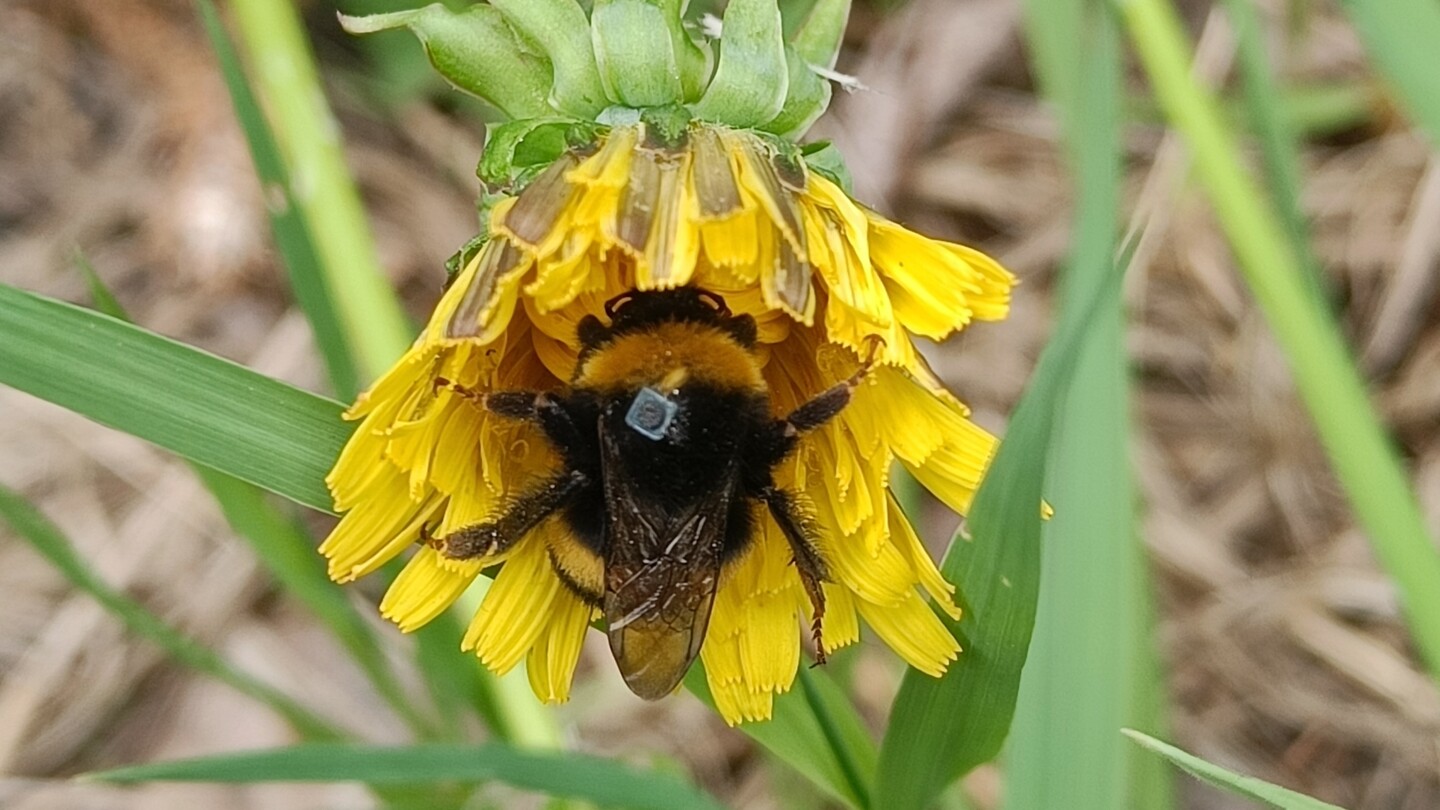
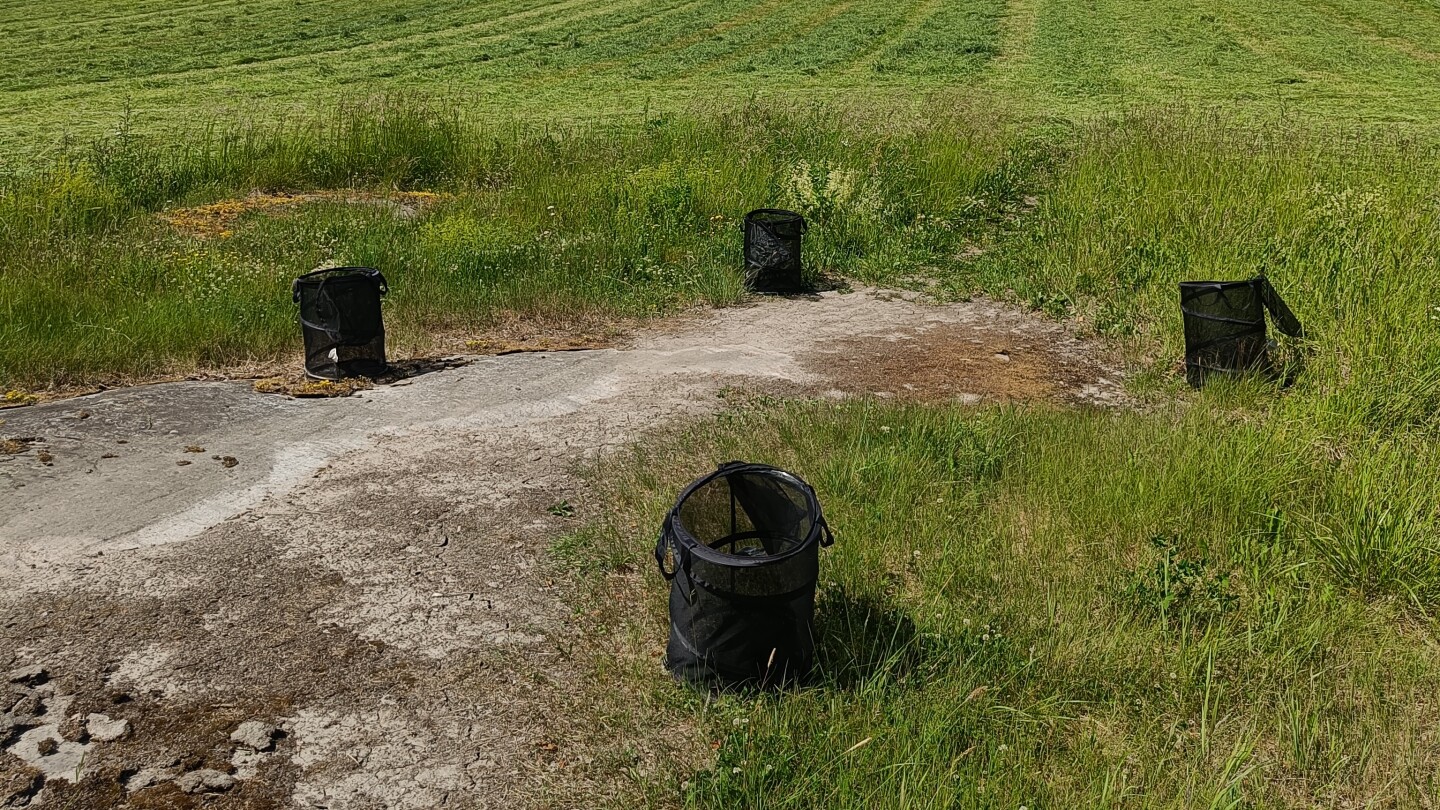
The researchers studied the behaviour of 167 buff-tailed bumblebees (Bombus terrestris). They were exposed to prallethrin for one, ten or twenty minutes with a repellent device meant for consumer use, after which the bumblebees were released a kilometre from their nest and their return was monitored for three days.
The results were clear. Of the bumblebees in the control group that were not exposed to prallethrin, 37% returned to the nest. The return percent of the bumblebees that were exposed to prallethrin for one minute did not differ from that of the control group. However, of the bees that were exposed for ten minutes, only 17% found their way back, and just 5% of the bumblebees that were exposed to the insecticide for twenty minutes returned to the nest.
For those individuals that managed to return, the time taken to do so was not prolonged. Furthermore, laboratory tests showed that exposure did not increase bumblebee mortality, suggesting that the effect is specifically related to impaired navigation ability rather than direct toxicity.
“Bumblebee colonies depend on workers collecting food, so if they cannot find their way back to the nest, the colony's ability to obtain nutrition deteriorates. Over time, this can weaken the nest, reduce the number of new queens and, in the worst-case scenario, result in the death of the entire colony,” says Researcher Kimmo Kaakinen from the University of Turku.
Researchers recommend reassessing the ecological safety of mosquito repellents
In Finland, the use of Thermacell devices is permitted, but their use is restricted to the immediate vicinity of residential buildings, such as yards and patios. The devices must not be used indoors or in natural environments, such as forests or national parks.
“Prallethrin-based repellents are used in many countries primarily for convenience. In some situations, their use may be justified, for example, in the prevention of diseases spread by mosquitoes,” says Kaakinen.
According to the researchers, it is important to conduct a more detailed assessment of the effects of household insecticides on pollinators. They state that the study’s findings highlight the need to reassess the ecological safety of these products.
The research was conducted in collaboration between the University of Turku and the University of Oulu and the research article was published in the journal Biology Letters.
Photos: Kimmo Kaakinen