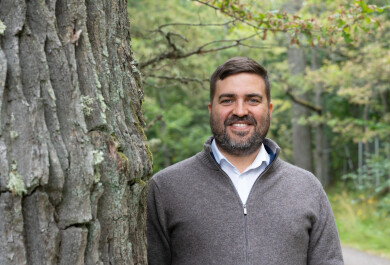
The Planetary Health Symposium, organised jointly by the University’s COFUND programmes, brought together a multidisciplinary group of researchers to discuss the health of the planet and humankind, and the interdependencies between them.
Held on Monday 10 August in the Arje Scheinin Hall at Dentalia, the event addressed a topical issue: planetary health, that is, the interdependence of human health and nature’s wellbeing.
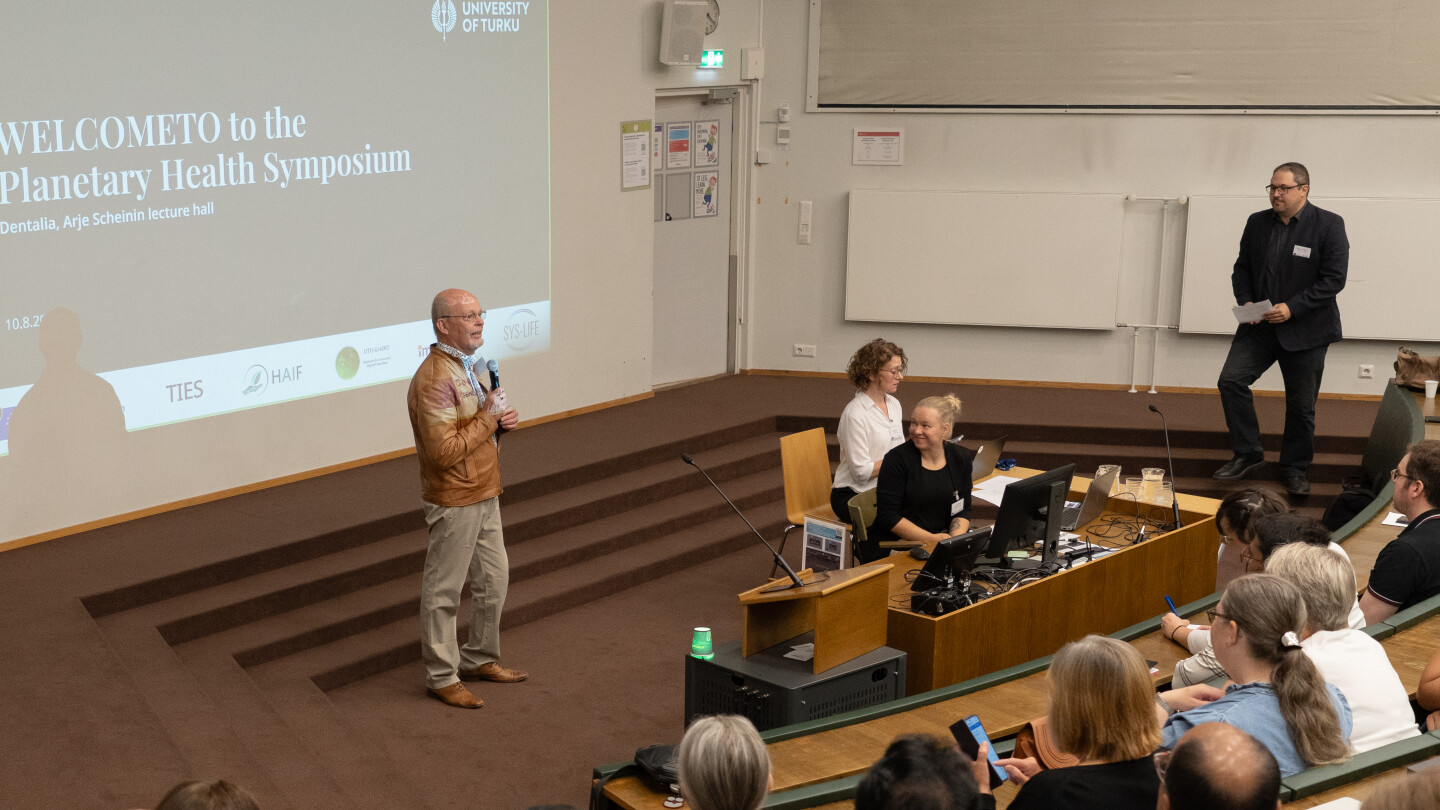
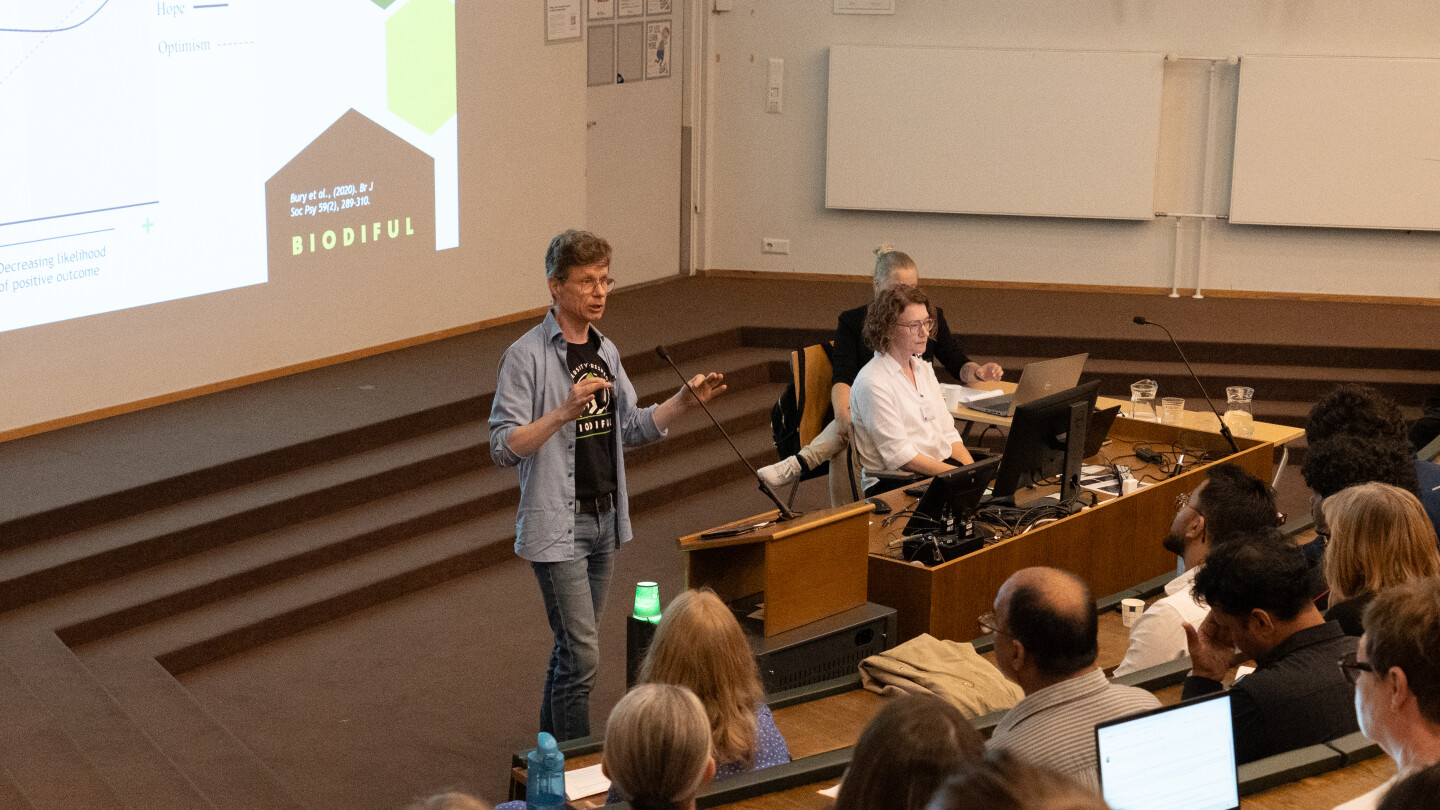
The first session of the symposium addressed the drivers of planetary change and sustainability. In the opening presentation, Adjunct Professor Juulia Räikkönen outlined the need, as investigated by the BIODIFUL project, for a shift from ‘excess’ to ‘sufficiency’ – that is, for social, political and structural change away from the ideology of continuous growth.
“Part of the problem is the ‘conscious consumer’s paradox’: although many people may be concerned about the climate and, for example, vote green, in their own lives they nevertheless increase their consumption as their wealth grows.”
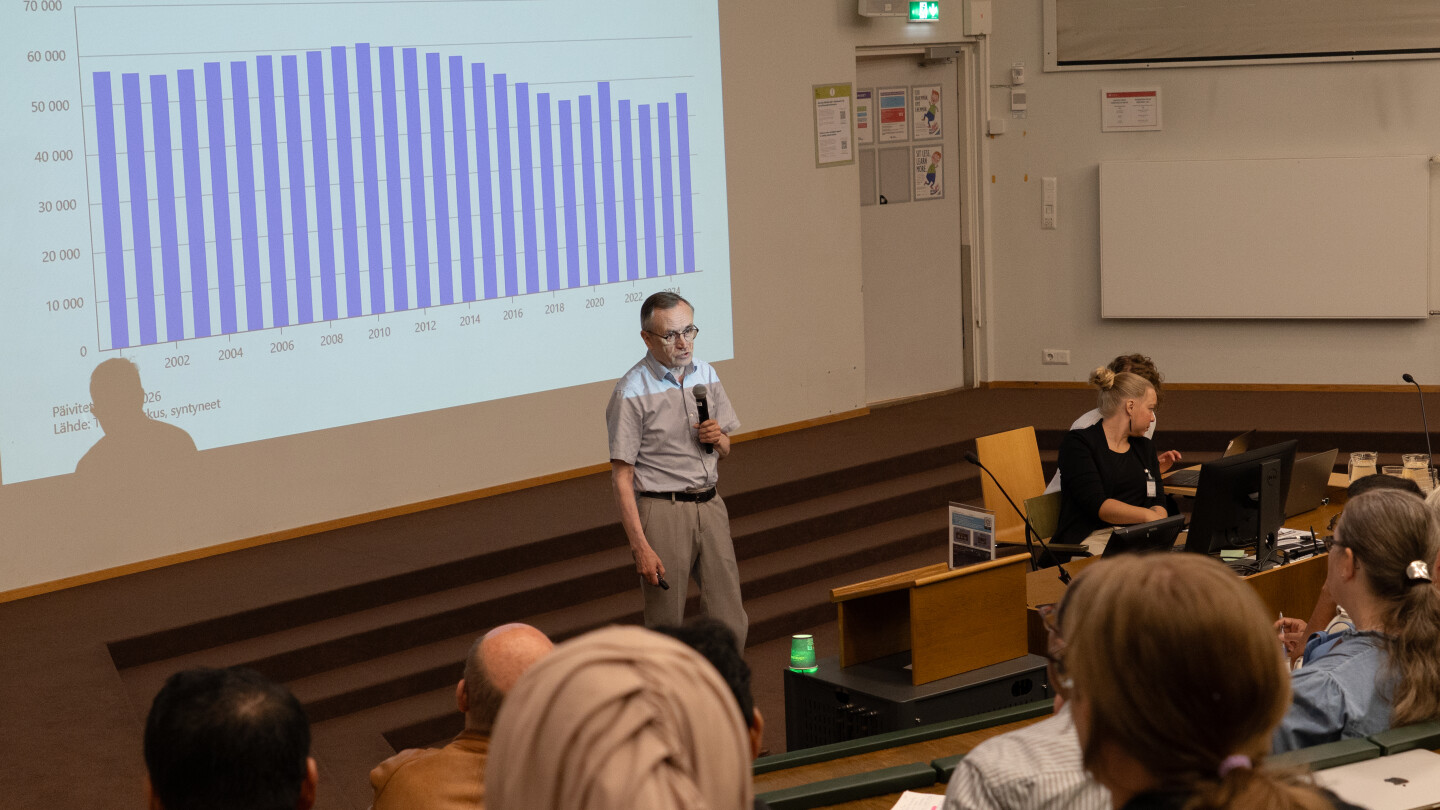
The symposium also included a keynote address from Sirpa Pietikäinen, Member of the European Parliament. She highlighted how political decision-making is not doing enough to tackle threats to planetary health. She also presented the EU’s UPCPM preparedness mechanism and the One Health network.
Afternoon sessions focused on threats to health and food production – as well as hope
The presentations in the second part of the event took a closer look at health threats related to planetary health, such as zoonotic diseases, antibiotic resistance and mental health challenges.
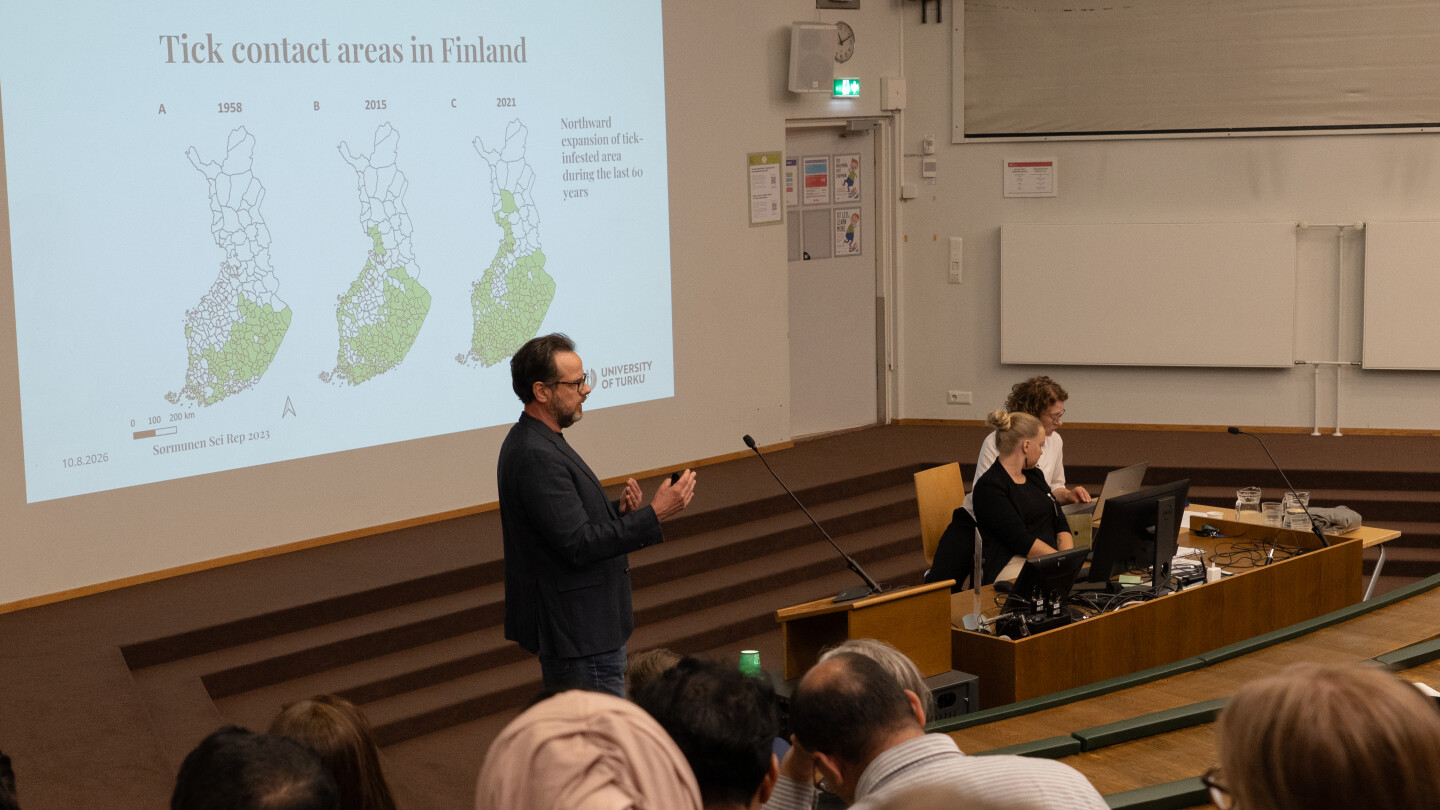
Antti Hakanen, Chief Physician at Varha and Docent, highlighted another specific cause for concern in his presentation: antibiotic-resistant bacteria. Food production plays a significant role in the rise of antibiotic resistance: around 75 per cent of all antibiotics used worldwide are administered to farm animals.
“Bacteria, and even antibiotic-resistant bacteria, have existed long before humans, but the real cause for concern is bacteria that were previously treatable but have now become resistant.”
In the afternoon, the symposium turned its attention to food. Senior Researcher Saska Tuomasjukka highlighted food production systems and their significance: the food system affects the entire planet. As food systems have come under threat, their resilience has taken centre stage.
“Resilience means that our food system can remain functional despite disruptions. We probably cannot preserve everything about our current system, but with the right decisions we can preserve what is important.”
Professor Kati Hanhineva continued on this topic, speaking about combining sustainable development with a health-promoting diet: the shift from a planetary diet to a planetary health diet. The Nordic dietary guidelines are largely in line with these new recommendations.
Hanhineva emphasised that the chemical properties of food also play an important role. For example, wholegrain products contain not only the starch from the grain but also important fibres and plant proteins. Furthermore, plant-based foods contain important phytochemicals, which have properties such as antioxidant effects.
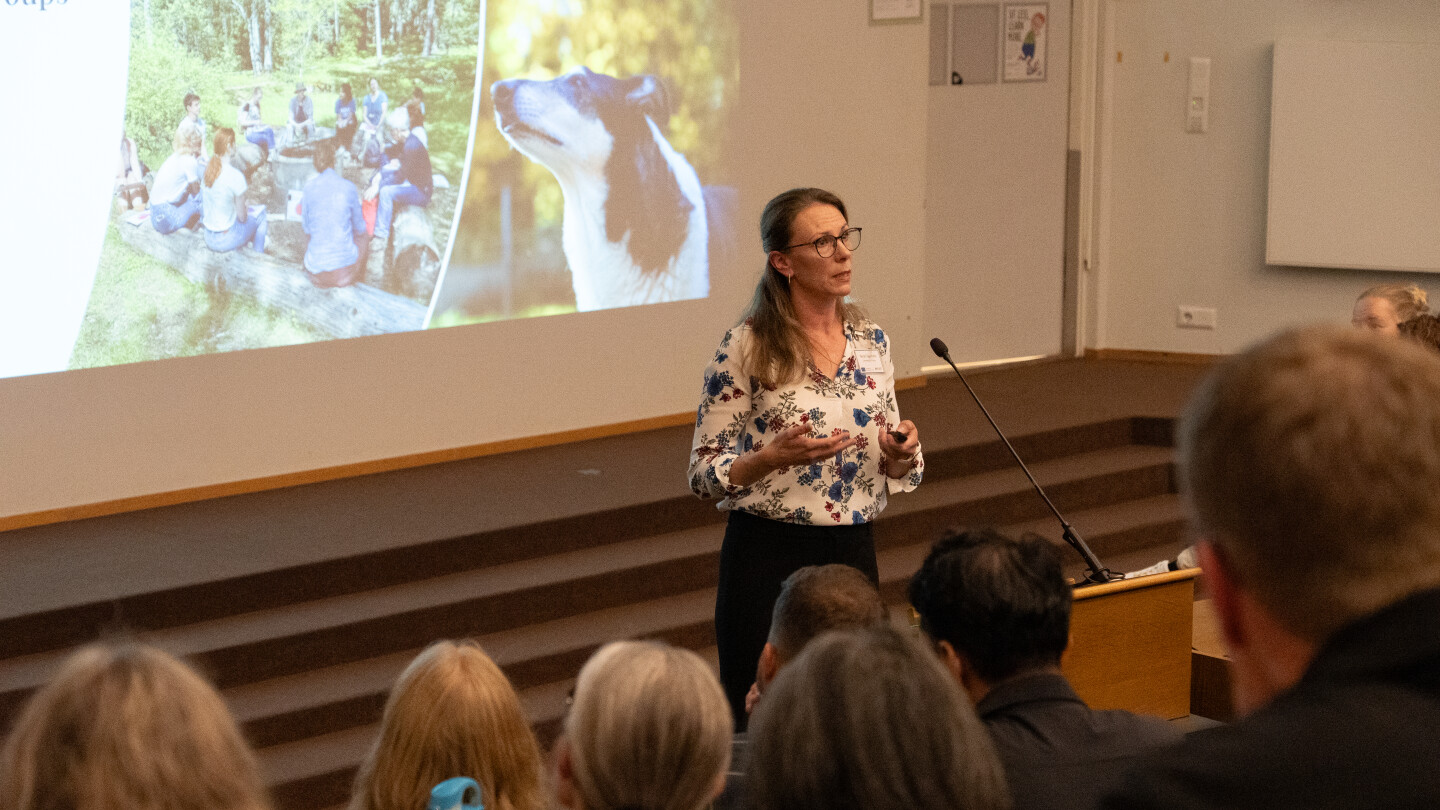
The final presentation at the symposium focused on hope. Associate Professor Ricardo Correia explained why hope, in particular, is essential in times of despair.
“People who have lost hope also lose the will to act, because they do not feel that their actions make any difference. An optimist, on the other hand, trusts that things will turn out well regardless, and this does not encourage action either. Hope involves active agency: a belief in one’s own agency and in possible pathways.”
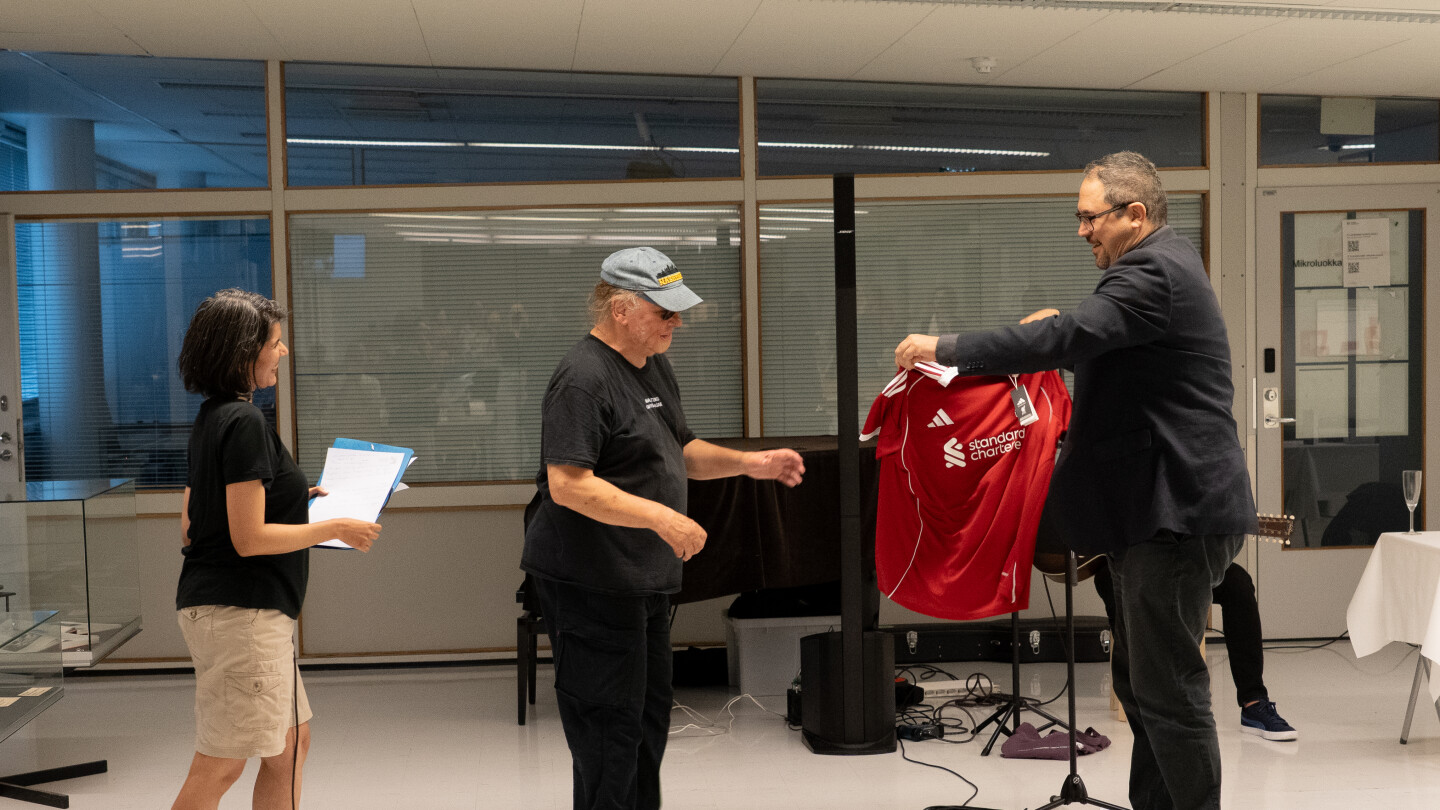
The event was organised by the University's COFUND programmes (SYS-LIFE, IMMUFELLOW, UTU-GreDiT, TIES 1&2, and HAIF); the main coordinating programme was SYS-LIFE.