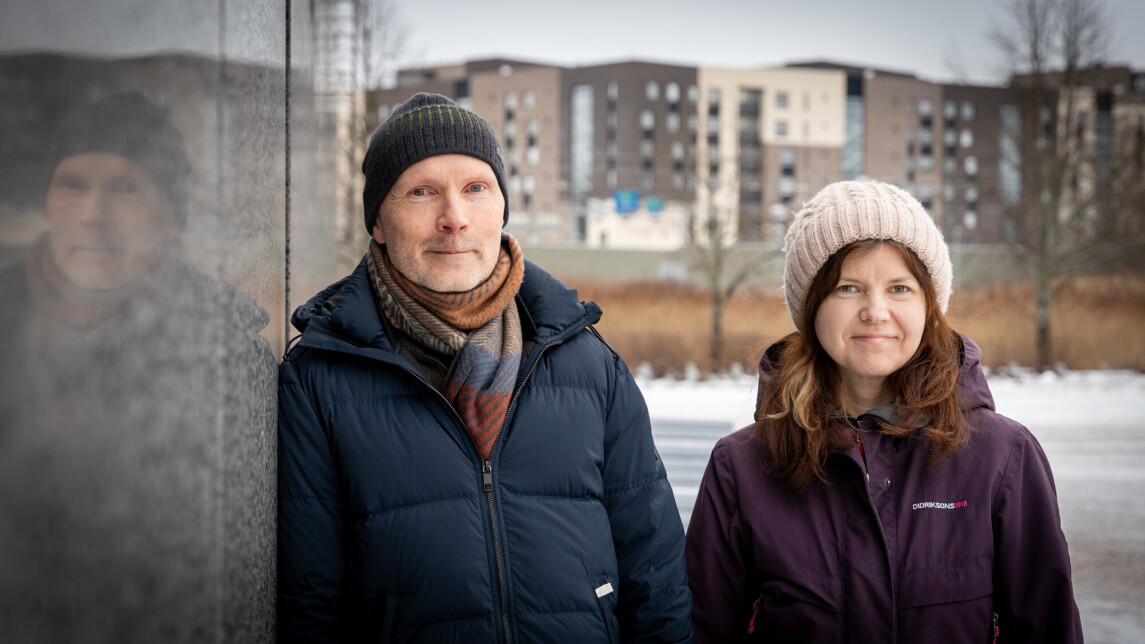
The questions are answered by University Teacher in Social Work Veera Niemi and University Lecturer in Social Work Jarkko Rasinkangas.
1. Who is affected by homelessness in Finland?
Of the officially counted homeless people in Finland, approximately 15 percent are under the age of 25, approximately 80 percent are men, and approximately 20 percent have immigrant backgrounds. Otherwise, very little has been known earlier about the socio-demographic characteristics of homeless people in Finland.
Our own research shows, among other things, that around 40 percent of homeless people have biological children, either minors or adults, who live with them or elsewhere. Around 25 percent of homeless people received income from paid work for at least six months of the year.
2. How has the number of homeless people in Finland evolved in recent history?
Finland is world-renowned for having successfully reduced homelessness from around 18,000 homeless people in the late 1980s to around 4,600 today. Along with Denmark, Finland was the only country in Europe where homelessness decreased even during the coronavirus pandemic.
The two latest national homelessness counts have been exceptional in that homelessness has increased. The increase is 34 % compared to the count in 2023, which was the lowest result ever in Finland. The increase is likely at least partly due to rising housing and living costs, and the many recent cuts in social benefits and social and health services. Twenty-nine percent of homeless people are long-term homeless.
3. What are the causes behind homelessness?
Homelessness is explained by structural factors, such as economic inequality and lack and limited accessibility to affordable housing.
Systemic explanations include the unintended consequences of the social and health service systems or urban planning. These include, for example, the ways in which applicants for public rental housing are prioritised.
Renovations to affordable housing may increase housing costs, making it more difficult for low-income residents to continue living in their homes.
4. Is homelessness caused by substance abuse or mental health problems?
No, it is not. There are many homeless people who do not suffer from substance abuse or mental health problems — for example, Danish statistics show that this figure is 16%. The vast majority of people with even serious substance abuse or mental health problems never become homeless.
The prevalence of these illnesses is higher among homeless people than among the rest of the population, but there is plenty of research evidence showing that substance abuse or mental health problems can occur before homelessness, but often they also begin or worsen as a result of homelessness.
Even when a substance abuse or mental health problem contributes to loss of housing, the root cause is more likely inadequate or ineffective social and health services. The cause can also be a lack of housing options that suit different life situations.
5. How can homelessness be reduced?
The number of homeless people reflects the broader social, housing and economic situation. Investments in welfare and reducing inequality also reduce homelessness. The key reason for Finland's unique success has been the determined commitment across party lines and election cycles to the goal of eradicating homelessness.
The key elements of the most effective homelessness strategies in European countries are the Housing First principle, clear target setting and data collection, and a strong legal right to housing. High-quality individual-level work is also needed. Even if there were no homeless people in society, preventive work would still be needed.
6. What is the Housing First principle?
According to the Housing First principle, housing is a fundamental right and should not be tied to agreeing to certain types of support, for example. Ending homelessness is therefore not a "reward" for possible rehabilitation or life changes, but a fundamental prerequisite for these to even be possible.
In the traditional staircase model of homelessness services, the client progresses gradually from emergency shelters to more private and less controlled forms of support and housing. In such a system, achieving well-being, possible rehabilitation, and independent living is very demanding for anyone.
7. Is it possible to eradicate homelessness completely?
All countries in the world currently have both long-term and temporarily homeless people. However, it is possible to completely eradicate long-term homelessness and to minimise temporary homelessness, as well as create a safe environment.
8. Is homelessness a person's own fault?
No, it is not. The primary explanatory factors for homelessness are structural and systemic, with individual factors such as substance abuse, mental health problems, crime, and financial difficulties playing a secondary role.
Rather than explaining homelessness, these secondary factors influence which individuals become homeless enabled by structural and systemic factors.
9. Can homelessness be a lifestyle choice?
Explaining homelessness as "a chosen lifestyle" is a typical defensive assumption among those who are not familiar with research literature on homelessness. Even those exceptional situations that may appear to be self-chosen from the outside are almost always choices made by individuals from among even more dangerous or unattainable alternatives.
10. Why are you interested in researching homelessness?
Homelessness remains an extreme human rights problem in Finland in the 2020s. In Finland, in particular, it has been possible to solve this problem through decades of determined structural work.
However, the current economic situation and the Europe-wide crisis of affordable housing are in danger of rapidly worsening the situation once again. Strong collaboration between multidisciplinary research and the social, health and housing sectors is essential for continuing the effective work on eradicating homelessness.
Text: Rosa Lampela
Photo: Suvi Harvisalo
Translation: Mari Ratia