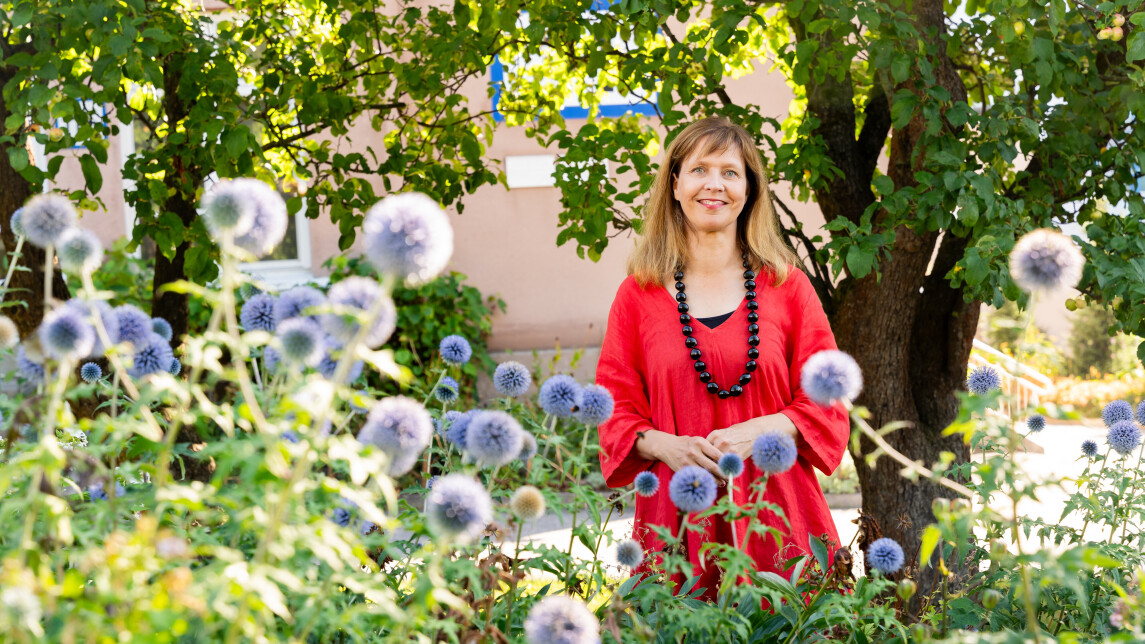
In her research, Professor of Population Health Research Linnea Karlsson has examined the impact of early life experiences on our later development. Since the beginning, her scientific curiosity has been accompanied by a desire to help children and families at a societal level as well.
When Professor Linnea Karlsson started studying medicine, she had no idea she would end up as a researcher – let alone running a decades-long population study.
Karlsson was specialising in adult psychiatry, and her path to research opened up by chance in the late 1990s when she was working as a summer doctor in a psychiatry. Professor Emeritus of Adolescent Psychiatry Mauri Marttunen, who supervised the clinical training of undergraduate medical students, suggested that she should participate in a research project focusing on adolescent psychiatry.
Karlsson declined the proposal.
She often found herself thinking about the study over the next few months, and six months later, she contacted Marttunen. What was initially a little outside her own field of specialisation, eventually sparked a passion for adolescent psychiatry and led to a doctoral dissertation on the prevalence of depression in adolescents.
It felt like help came too late.
However, the seed to pursue a career in adolescent psychiatry had already been planted while working at the hospital.
“Clinical work made me realise that many of my patients' problems stemmed from their earlier life events. It felt like help came too late,” recalls Karlsson.
A desire to look at the root causes of problems became increasingly important to Karlsson as she encountered adult patients who had been ill all their adult life, even since puberty.
“I wanted to find out how people ended up on these trajectories. And whether people could be helped more effectively if problems were addressed earlier.”

FinnBrain project examines the impact of early life experiences
Today, Karlsson is best known for the FinnBrain birth cohort study, which she has been leading since last summer. The study was launched 15 years ago together with Professor (Emeritus) Hasse Karlsson and follows thousands of children and their families in the Turku region and investigates how environmental and genetic factors influence children's and adolescents’ development and mental and somatic health.
Early stress alone does not determine a person's future, but it can guide development.
Researchers are particularly interested in how biological, psychological and social factors combined influence our development. The aim is to raise public awareness of psychosocial risk and protective factors as determinants of public health, alongside more traditional risk factors.
One of the key findings of the study has been that prenatal stress has an independent, though relatively small, impact on the later development and health of the child.
“Early stress alone does not determine a person's future, but it can guide development in one direction or another. Protective factors, such as safe interactions and a predictable growth environment, also play an important role.”
Interest in the impact of people's earliest experiences has also been reflected in Karlsson's career. After specialising in adolescent psychiatry, she decided to specialise in child psychiatry as well.
“I began to feel that adolescent psychiatry alone offered a rather narrow perspective; it only covered roughly the ages of 13–18. I wanted to see what happened before that.”
Providing support for parents is crucial
After the FinnBrain research project started in 2010, parents have also become a focus.
“There was already evidence that the health and well-being of parents during pregnancy had an impact on the physical health of the child. More recent findings have revealed the effects on the child's psychological health.”
Furthermore, the extent of these effects has been revealed, showing that prenatal stress can be reflected in atopic diseases, brain development, or even cardiovascular health of the child.
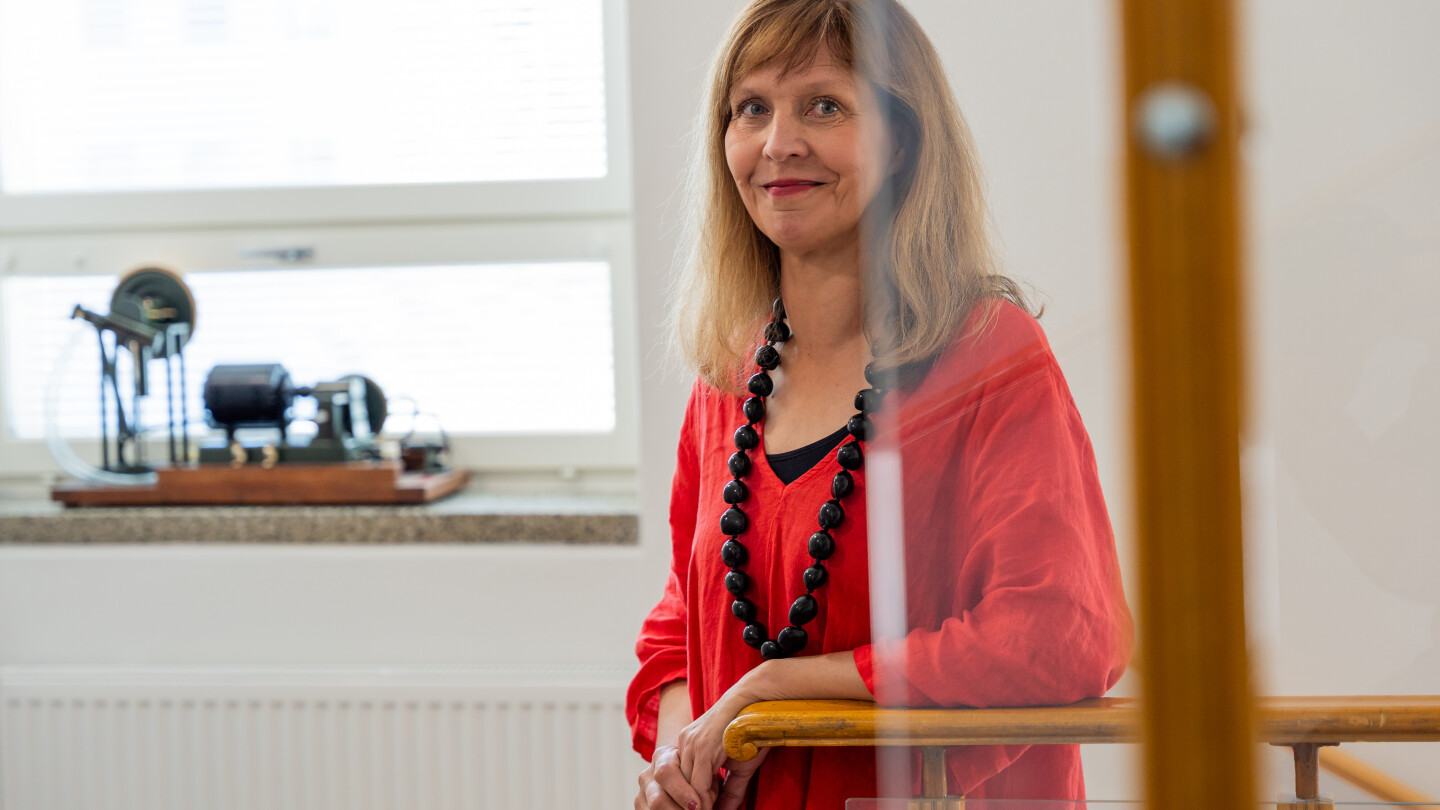
When talking about the health and well-being of children, Karlsson believes that the well-being of parents should also be considered: helping them in time would also help children.
“If the mental health of the expectant parent is not supported, it can have far-reaching consequences for the whole family.”
The term ‘expectant parent’ does not only refer to the pregnant parent. Recent studies have shown that childhood maltreatment experienced by the father can also affect the child's development. One possible mechanism for this is epigenetic changes in gametes.
The reasons behind many surprising discoveries are still unclear. Karlsson believes that research into mechanisms will be important in the future.
“We now know that the programming of a child's development starts already during pregnancy. Next, we should clarify the precise mechanisms behind it.”
Multidisciplinary approach for a comprehensive picture
The FinnBrain project relies on multidisciplinarity. Researchers examine child development from the perspectives of psychology, neuroscience, microbiology, and environmental health.
Karlsson sees her role as much the same: building bridges between networks and disciplines. She is particularly inspired by the integration of the so-called hard sciences with broader societal issues.
Human connection is important.
“I am not a specialist in any single niche area, but I can help in building a more comprehensive picture. Someone must have the bigger picture in mind as well.”
Research continues, and future research questions will lead to an increasingly multidisciplinary field, for example towards the interface between environmental factors and mental health. According to Karlsson, the combined effects of chemicals and pollutants with psychological stress, among other things, remain largely unexplored.
In addition to new research questions, Karlsson is motivated by societal impact. She views research not only as a scientific pursuit, but also as a societal responsibility. As an expert, she has participated in the work of ministries and organisations, striving to communicate research-based insights to decision-makers.
The message is clear: more attention should be paid to the mental health of families.
“It is not enough to state that parents are exhausted. The underlying causes should also be examined from a medical perspective, and evidence-based treatment should be provided.”
According to Karlsson, families need both better psychiatric resources and stronger safety nets in everyday life.
“In addition to the digital leap, I would like to hear more talk about a presence leap. The connection between people is important for both parents and children,” summarises Karlsson.
Text: Lotta Junnila
Translation: Saara Yli-Kauhaluoma
Photos: Hanna Oksanen