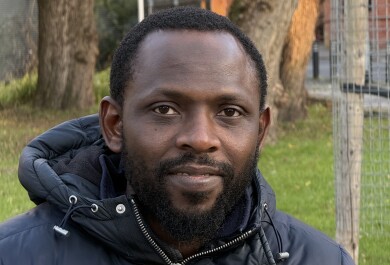
Väitös (biologia): MSc Theophilus Yaw Alale
MSc Theophilus Yaw Alale esittää väitöskirjansa ”Tick population genomics and viral diversity in Finland: Implications for emerging tick-borne diseases” julkisesti tarkastettavaksi Turun yliopistossa perjantaina 28.8.2026 klo 12.00 (Turun yliopisto, Natura, X-luentosali, Turku).
Vastaväittäjänä toimii dosentti, tohtori Olivia Wesula Lwande (Uumajan yliopisto, Ruotsi) ja kustoksena professori, tohtori Jon Brommer (Turun yliopisto). Tilaisuus on englanninkielinen. Väitöksen alana on biologia.
Tiivistelmä väitöstutkimuksesta:
This doctoral thesis investigates how genetic interactions between tick species and the diversity of viruses they carry influence the emergence and spread of tick-borne diseases in Finland. As environmental changes drive ticks into new regions, understanding these processes is essential for predicting future health risks.
The research focuses on two major tick species, Ixodes ricinus and Ixodes persulcatus, which increasingly overlap in Finland. Using genome-wide sequencing of 192 ticks, the study found strong genetic differences between the species but also detected hybrid individuals, showing that interbreeding occurs at low levels. This hybridization may influence how diseases spread between tick populations.
The thesis also includes a long-term review of over 60 years of research on tick-borne viruses in Finland. This synthesis shows that tick-borne encephalitis has increased significantly and expanded geographically, alongside the spread of tick populations and their overlap.
Finally, by analysing RNA from individual ticks, the study uncovered a wide diversity of viruses, including several previously unknown. The results showed that each tick species carries distinct viral communities, suggesting that species identity plays an important role in shaping virus diversity.
Overall, this thesis combines genomics, long-term epidemiological data, and modern sequencing techniques to provide a comprehensive understanding of tick populations and the viruses they carry. The findings highlight how environmental change, species interactions, and hidden viral diversity together shape disease risk, offering valuable insights for improving surveillance and public health responses to emerging tick-borne diseases.