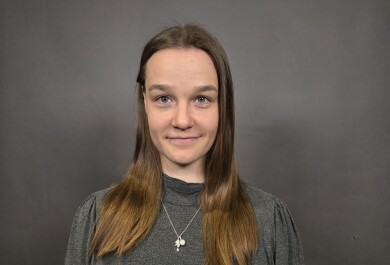
Väitös (digitaalinen kielentutkimus): MA Frederike Schram
MA Frederike Schram esittää väitöskirjansa ”From Marketing to Identity Construction – Low German in Commercial Instagram Posts” julkisesti tarkastettavaksi Turun yliopistossa lauantaina 5.9.2026 klo 12.00 (Turun yliopisto, Arcanum, Aava-luentosali, Arcanuminkuja 1, Turku).
Vastaväittäjänä toimii apulaisprofessori Daria Dayter (Tampereen yliopisto) ja kustoksena professori Veronika Laippala (Turun yliopisto). Tilaisuus on englanninkielinen. Väitöksen alana on digitaalinen kielentutkimus.
Tiivistelmä väitöstutkimuksesta:
Language is more than a tool for communication. The way we speak also signals who we are, where we come from, and the communities we belong to. In the case of regional and minority languages, this is particularly interesting as their speakers have often been discriminated against and stigmatised in the past but are nowadays valued as symbols of pride and regional identity. Next to individuals and groups who may use regional and minority languages to show belonging to specific communities, also businesses use regional and minority languages in their marketing to give their products and services a sense of regionality, tradition, and authenticity.
In my dissertation, I investigate the use of Low German in commercial Instagrammers’ posts. The internet in general and social media platforms in particular are part of our daily lives, and so these online spaces have the potential to contribute to regional and minority languages being used, learned, and maintained. Low German, today primarily spoken in Northern Germany, has a multifaceted history: In the Middle Ages, it served as a “lingua franca”, a language broadly spoken and understood across the Baltic Sea region; later, it became stigmatised as the language of poor and uneducated people or farmers, while the prestige and use of High German increased; and today, Low German is used so rarely that language activism and institutional support is needed to ensure that it is maintained and continues to be used in the future. In order to investigate how Low German is used to market products and services and to construct regional identity online, I used a sociolinguistic framework. Instagram posts were compiled into a corpus and analysed regarding the use of different languages, images, and their combinations. In this way, the dissertation sheds light on Low German language use, associations with Low German, and the construction of Northern German identity as expressed in these posts.
The dissertation shows that the commercial Instagrammers in the corpus strategically use a relatively small number of Low German words, proverbs, and greetings, which are often well-known to the broader High German-speaking population. Low German is what sets the Instagrammers, their products as well as their audience apart from a general High German-speaking community, the “mainstream”. Recognisable words and phrases and visual themes such as the seaside, the countryside, and specific character traits strengthen the Instagrammers’ marketing strategies; rather than challenging these associations, they often reproduce and reinforce stereotypes. The regionalised image in the Instagrammers’ content is furthered by different strategies to construct regional Northern German identity, establishing a clear distinction between Northern Germans and others.
The dissertation gives insights into how Low German is used today and into how it becomes an important resource for identity construction for both businesses and individuals in digital spaces. Although the use of Low German in the Instagrammers’ posts and on their products can be interpreted as language activism, to a certain extent, because it makes Low German visible to a broader audience, the primary focus is still the promotion of products and services rather than the promotion of Low German itself. All in all, this dissertation illustrates how the value of regional and minority languages constantly changes through their use in contemporary digital and commercial contexts.