Tutu-julkaisut 2025
Tutu-Julkaisut / FFRC Publications 2025:
Kuhmonen, Tuomas (2025)
Design Principles for Alternative Futures of Complex Adaptive Systems
Academic Dissertation
FFRC Publications 1/2025
Finland Futures Research Centre, Turku School of Economics
University of Turku
ISBN 978-952-249-631-7 (print)
ISBN 978-952-249-632-4 (pdf)
ISSN 1797-1284
Societies are made of Complex Adaptive Systems (CAS) which have no central command or ownership and which self-organise through local interactions. Becoming aware of their possible futures is critical since they provide us food, energy, mobility, housing, democracy and much more. One of the main challenges in this mission is the innumerable set of future possibilities. A feasible number of manifestations of alternative futures (visions, futures images, scenarios) that can serve choices in the present is about a handful. How to reduce the diversity of future alternatives in a transparent, disciplined and systematic way, is the key challenge discussed in this research.
Design principles for alternative futures of CAS are provided as one solution for resolving the challenge. Design principles feature generic principles of creating manifestations of alternative futures on the frontier of diversity and confinement. They are related to choosing an appropriate level of abstraction, delimitation of the choice space and identification of new attractors for the systems. Six empirical studies illustrate application of the principles in the domains of spatial, personal, system, policy and sector futures.
CAS tend to organise regimes that are highly institutionalised, path dependent dominant designs that resist significant changes. From time to time, the societal systems would need a reform toward better resilience and sustainability. In the domains of agrifood and rural systems, such have taken place only through deep crises. Even in these cases it is helpful to have concrete designs and visions for the developments that might take place after the bifurcation, since ‘becoming aware of different future alternatives’ (Slaughter 1993, 290) is the key to survival and success in any potential future. In fact, it is the reason for the existence of futures science.
KEYWORDS: agriculture, Complex Adaptive System, complexity, design, evolution, food, foresight, futures, regime, rural
Tutu eJulkaisut / FFRC eBooks 2025:
Sirkka Heinonen & Riku Viitamäki
Society, Skills and Spaces – Curated Conversations on Futures of Work with Foresight Experts
FFRC eBooks 1/2025
Finland Futures Research Centre, University of Turku
ISBN 978-952-249-623-2 (pdf), 978-952-249-624-9 (print)
ISSN 1797-1322
This report is a compilation of expert insights on the futures of work – on the future organizing of work and work spaces as well as the competencies needed in the future digital meanings society. The experts’ insights were obtained through structured interviews conducted for the T-winning Spaces 2035 project with six experienced foresight practitioners, all representing the Millennium Projects Nodes in three continents. The first part of the report discusses big picture questions concerning the futures of work such as a new paradigm of work, paradoxes of work, nature of work, motivations, meanings, and societal transitions, while the second part focuses on specific questions around work spaces and skills needed as well as the new leadership. Everything will be hybrid and much of knowledge work takes place independent of the location. Hybridisation represents itself way people use their time. Work takes the aspects of leisure while leisure becomes more like work. It becomes more difficult to set clear boundaries between these aspects of life. Furthermore, values play an essential part in the futures of work. Work is not only for sustenance and for payment. Rather, people want to work in a way which accommodates their values. However, not everything will change. Work is still paid work even though voluntary work is something people may want to do after their workday. Futures awareness and critical thinking along with empathy and other soft skills will be required competencies for future worklife.
Tuomas Kuhmonen & Belyta Tembo
Savon maatalouden tulevaisuuskuvat: Sidosryhmien näkemykset.
Tutu eJulkaisuja 2/2025
Tulevaisuuden tutkimuskeskus, Turun yliopisto
ISBN 978-952-249-825-6
ISSN 1797-1322
Tämä julkaisu on osa Savon maatalouden tulevaisuuskuvat eli SANTTU-hanketta, sen ensimmäistä tulevaisuuteen liittyvää työpakettia nimeltään ”Unelmia ja tulevaisuuskuvia”. Hankkeen rahoittavat Etelä- ja Pohjois-Savon ELY-keskukset.
Julkaisussa esitellään maatalouden sidosryhmille tehdyn kyselyn keskeiset tulokset. Samantyyppinen kysely on tehty myös alueen maanviljelijöille. Lisäksi alueen 18-30-vuotiailta nuorilta tiedustellaan omassa kyselyssään heidän tulevaisuudenunelmiaan yleisesti ja erityisesti maatalouden osalta. Kun näiden kolmen keskeisen ryhmän näkemyksiä päästään aikanaan vertailemaan, voidaan aloittaa yhteisen tulevaisuuden rakentaminen tulevien ja nykyisten viljelijöiden sekä sidosryhmien kanssa.
Ahokas, Ira – Lakkala, Hanna & Vehmas, Jarmo:
Tutu eJulkaisuja 3/2025, Tulevaisuuden tutkimuskeskus, Turun yliopisto
ISBN 978-952-249-626-3, ISSN 1797-1322
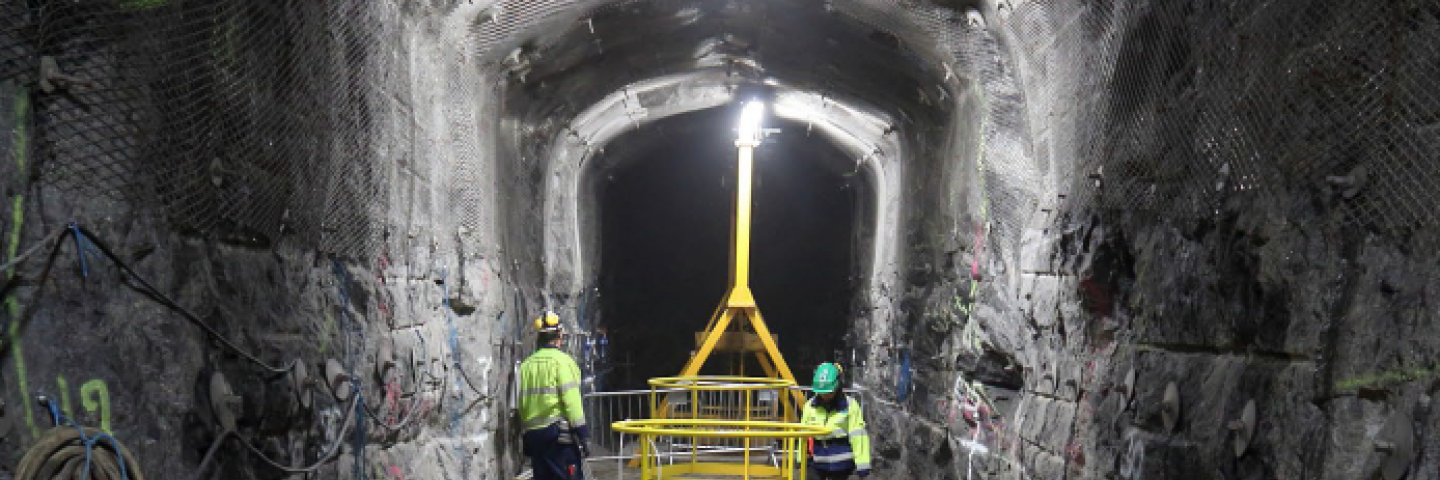
Suomi on toistaiseksi ainoa maa maailmassa, joka on tehnyt poliittisen päätöksen käytetyn ydinpolttoaineen loppusijoituksesta ja edennyt sen toimeenpanossa käytännön toimiin saakka. Ydinvoimayhtiöt Teollisuuden Voima ja Fortum perustivat vuonna 1995 käytetyn ydinpolttoaineen loppusijoitusta varten Posiva Oy:n. Eduskunta hyväksyi Eurajoen Olkiluodon kallioperään louhittavaa Posiva Oy:n loppusijoituslaitosta koskevan valtioneuvoston periaatepäätöksen vuonna 2000. Samalla alueella sijaitsevat Teollisuuden Voima Oy:n ydinvoimalaitokset. Ydinenergialain mukainen periaatepäätös tarkoittaa, että valtioneuvosto ja eduskunta arvioivat Posiva Oy:n hankkeen yhteiskunnan kokonaisedun mukaiseksi. Posiva Oy jätti Onkalon käyttölupahakemuksen vuonna 2021. Loppusijoitus aloitetaan käyttöluvan myöntämisen jälkeen ja se tulee jatkumaan nykyisillä suunnitelmilla vaiheittain 2120-luvulle.
Käsillä olevan korkea-aktiivisen ydinjätteen loppusijoituksen mahdollisia tulevaisuuksia tarkastelevan esiselvityksen tavoitteena on tuottaa tulevaisuustietoa eri aikaperspektiiveillä korkea-aktiivisen ydinjätteen loppusijoitukseen liittyen. Selvitys käsittelee Suomessa valittuun loppusijoitusratkaisuun vaikuttavia mahdollisia kehityskulkuja 100 vuoden, 1 000 vuoden ja 1 000 000 vuoden aikaperspektiiveillä huomioiden erilaiset nousevat ilmiöt, shokit, epäjatkuvuudet ja epävarmuudet.
Selvitys vastaa seuraaviin kysymyksiin:
- Millaisten epävarmuuksien kanssa ollaan tekemisissä?
- Mitä asioita on aikaisemmin huomioitu loppusijoituksessa?
- Mitä asioita ei ole huomioitu?
- Mikä on merkityksellistä?
Esiselvitys on kansallisen ydinturvallisuuden ja ydinjätehuollon SAFER2028-tutkimusohjelman johtoryhmän tilaama. Se on toteutettu Turun yliopiston Tulevaisuuden tutkimuskeskuksessa 1.10.2024–31.3.2025 välisenä aikana. SAFER2028 (National Nuclear Safety and Waste Management Research Programme 2023–2028) on kuusivuotinen ydinenergia- ja ydinjätehuoltoalan tutkimusta rahoittava tutkimusohjelma, joka saa rahoituksensa Valtion ydinjätehuoltorahastosta (VYR) sekä ohjelmaan osallistuvilta tutkimusorganisaatioilta.SAFER2028 tukee ydinenergian turvallista käyttöä Suomessa.
Mara Di Berardo, Sirkka Heinonen, Amos Taylor, Riku Viitamäki & Veli Virmajoki:
FFRC eBooks 4/2025
Finland Futures Research Centre, University of Turku
ISBN 978-952-249-628-7 (pdf), ISBN 978-952-249-629-4 (print), ISSN 1797-1322
This report presents the process and the findings of the Millennium Project Special Session held at the Finland Futures Research Centre (FFRC) Conference in Turku, Finland on 11th June, 2025. The MP Session was conducted within the FFRC research project T-winning Spaces 2035 that is ongoing at University of Turku, exploring futures of work, work spaces, and new paradigm of work. The Twinning Spaces 2035 is a research project funded by the Research Council of Finland, and the European Union NextGenerationEU. It is headed by Aalto University with University of Turku and University of Tampere as partners. The Session was organised in co-operation between University of Turku, Aalto University, Millennium project, and the Finnish Society for Futures Studies. The session was an interactive Futures Clinique including futures provocations. The aim of the session was to delve deeper into the four radical narratives developed within T-winning Spaces 2035 project and ideate how to make these narratives more preferred. Here the modified Futures wheel was utilised to structure the ideation process. The findings included technological innovations, more well-being centric solutions and social process, which would help the personas of the narratives to deal with the problems and challenges they face.
Keywords: radical narratives, futures of work, AI, Millennium Project, Futures Clinique
Kuhmonen, Tuomas & Tembo, Belyta (2025)
Savon maatalouden tulevaisuudenkuvat: Viljelijöiden näkemykset.
Tutu eJulkaisuja 5/2025
Tulevaisuuden tutkimuskeskus, Turun yliopisto
ISBN 978–952–249–630–0, ISSN 1797–1322
Tämä julkaisu on toinen osa Savon maatalouden tulevaisuuskuvat eli SANTTU-hanketta, sen ensimmäistä tulevaisuuteen liittyvää työpakettia nimeltään “Unelmia ja tulevaisuuskuvia”. Hankkeen rahoittavat Etelä- ja Pohjois-Savon ELY-keskukset, ja sen verkkosivut löytyvät osoitteesta www.savonmaatalous.info.
Julkaisussa esitellään alueen viljelijöille tehdyn kyselyn keskeiset tulokset (vastaajia 584). Jo aiemmin on tehty samantyyppinen kysely alueen maatalouden sidosryhmille (Tutu eJulkaisuja 2/2025). Alueen nuorille suunnatun kyselyn tulokset raportoidaan myöhemmin. Kun näiden kolmen keskeisen ryhmän näkemyksiä päästään aikanaan vertailemaan, voidaan aloittaa yhteisen tulevaisuuden rakentaminen tulevien ja nykyisten viljelijöiden sekä sidosryhmien kanssa.
Aalto, Hanna-Kaisa - Heino, Hanna - Keski-Pukkila, Pasi - Haapanen, Liisa - Puustinen, Sari - Pöllänen, Markus - Shaw, Morgan - Siivonen, Katriina - Tapio, Petri - Taylor, Amos - Wilenius, Markku & Arvonen, Anne (editors)
Coolest Student Papers at Finland Futures Research Centre 2024–2025.
Tulevaisuuden tutkimuskeskuksen valittuja opiskelijatöitä 2024–2025.
FFRC eBooks 6/2025
Finland Futures Research Centre, University of Turku
ISBN 978-952-249-633-1, ISSN 1797-1322
Finland Futures Research Centre has been publishing since 2016 a collection of the most prominent student papers written during their studies. The FFRC aims to provide a genuine publication forum for students and help them achieve their first publication entry. In times when the appreciation of science and scientific knowledge is at risk, the skill of academic writing is more important than ever. We want to help our students develop their writing skills. AI also requires information for processing, and we hope that our publication serves that need as well.
Our publication consists of writings by students from the Master's Program in Futures Studies, Sustainable Development Studies at the University of Turku, and Finland Futures Academy. Since student papers are originally written in either Finnish or English, we publish them in their original language. The papers address multiple questions related to current challenges, similar to those explored in our courses. The students have eagerly participated in choosing the topics for their writings in various courses, demonstrating their interest in global challenges and the role of science in addressing them.
We hope that this publication encourages the authors to continue on the sometimes rocky path of academic writing. We also hope it serves as an example for other students and provides food for thought to readers and users of information, whether they are humans or machines.
We hope this provides an inspiring read!
Salomäki, Anniina - Suomalainen, Kaisa-Maria & Heino, Hanna
Entä jos käykin hyvin? – Nuorten aikuisten näkemyksiä Suomen talouden toivotuista tulevaisuuksista
TUTU eJulkaisuja 7/2025
Tulevaisuuden tutkimuskeskus, Turun yliopisto
ISBN 978-952-249-634-8, ISSN 1797-1322
Raportissa tarkastellaan ’Nuorten tulevaisuustarinat talouskeskustelua rikastamassa’ -selvityshankkeessa kerättyjä 18–29-vuotiaiden nuorten aikuisten näkemyksiä talouden ja hyvinvoinnin tulevaisuuksista. Hankkeen tavoitteena oli laajentaa talouden tulevaisuuksista käytävää keskustelua, tarjota vaihtoehtoja talouskasvun narratiiville sekä mahdollistaa nuorten aikuisten osallistuminen talouden tulevaisuuksien rakentamiseen. Kyselytutkimuksen laadullisesta aineistosta muodostettiin neljä yhteiskunnallista tulevaisuuskuvaa, joissa talouskasvun logiikka toteutuu jokaisessa omalla tavallaan.
Turun yliopiston Tulevaisuuden tutkimuskeskuksen toteuttama selvityshanke oli osa Sitran rahoittamaa selvitysten kokonaisuutta, jossa etsittiin vaihtoehtoisia näkemyksiä Suomen talouden kasvun tulevaisuuksille.