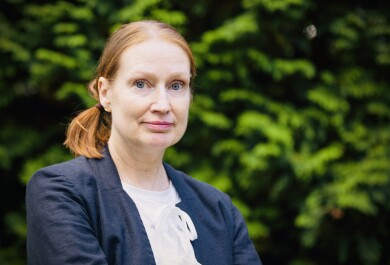
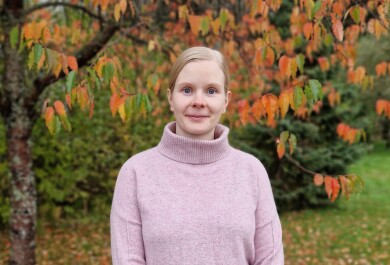
Väitös (sosiaalihammaslääketiede): MPH Ramaa Balkaran
MPH Ramaa Balkaran esittää väitöskirjansa ”Oral health care for people with disabilities: Perspectives of health care professionals, caregivers, and patients” julkisesti tarkastettavaksi Turun yliopistossa perjantaina 12.6.2026 klo 12.00 (Turun yliopisto, Dentalia, Arje Scheinin -sali, Lemminkäisenkatu 2, Turku).
Vastaväittäjänä toimii professori Salla Atkins (Tampereen yliopisto) ja kustoksena professori Satu Lahti (Turun yliopisto). Tilaisuus on englanninkielinen. Väitöksen alana on sosiaalihammaslääketiede.
Tiivistelmä väitöstutkimuksesta:
Health systems aim to provide fair and equal care for everyone; however, people with disabilities (PWDs) still face many barriers when trying to get proper care, including oral health care. Disability affects people in different ways, including physical limitations, difficulties in daily activities, and barriers to full participation in society, even among people with the same condition.
PWDs often face stigma, inaccessible buildings, and healthcare providers who may not fully understand their needs. Caregivers also face challenges, including discrimination, limited information, and difficulty finding suitable services. Oral health is frequently overlooked compared to other areas of health, despite its importance to overall well-being. Access to dental care often depends on whether services are available and whether staff are properly trained in treating PWDs. As a result, PWDs tend to have poorer oral health and often receive less dental care than others.
There is also limited research on the real-life experiences of people with disabilities and their caregivers when seeking oral health care. This dissertation explored the experiences of PWDs, caregivers, and healthcare professionals in relation to oral health care. The research brought together five studies that used interviews, surveys, and evaluations of educational programs. The aim was to better understand the barriers faced by PWDs and identify ways to improve access to dental care.
The findings showed that both healthcare professionals and caregivers are aware of the barriers faced by PWDs and believe that better education and training could help address them. PWDs also reported higher levels of dental fear and anxiety, as well as poorer oral health-related quality of life. One of the key findings of this research was that education and training may improve the attitudes and confidence of dental students and healthcare professionals when caring for people with disabilities. Participants believed that more practical training and greater exposure to PWDs would help create more inclusive and supportive dental services. The studies also showed the importance of listening to the experiences of PWDs and caregivers when designing health services and educational programs.
This research has important implications for both healthcare and society. It highlights the need for better professional training, more accessible dental services, and stronger support systems for PWDs and their caregivers. By improving awareness and preparing healthcare professionals to better meet the needs of PWDs, this work can contribute to fairer access to oral health care and improved quality of life. The findings may also help guide future policies, educational programs, and research aimed at reducing health inequities and promoting more inclusive care for everyone.