Entrepreneurship studies
Bachelor studies
Our aim at the bachelor level is to provide students with a theoretical and practical knowledge of entrepreneurship. Our bachelor studies focus on the entrepreneurial process and understanding the role of entrepreneurship at an individual and at a societal level. Entrepreneurship studies provide tools for students to work in a constantly changing, innovative business environment after graduation no matter their career choice. During entrepreneurship studies we emphasise active connections to business life e.g. through visiting lecturers and excursions. Our new international bachelor’s degree programme “Social and Sustainable Entrepreneurship” started in autumn 2025.
Autumn 2025 marked the real launch of the Bachelor’s Degree Programme in Sustainable and Social Entrepreneurship, a new programme designed to educate the next generation of managers, entrepreneurs, and experts committed to fostering both sustainable development and economic well‑being. The programme combines academic insight with practical entrepreneurial experience, preparing students to address complex societal and environmental challenges through innovative business solutions.
The first student cohort began their studies in Autumn 2025, offering us valuable experiences and learnings from this pioneering group. In addition to strong faculty and administrative support, the integration and sense of community among the first‑year students were further strengthened by the contributions of “supertutor” Arlette Numutali. She played a key role in welcoming the new cohort by organizing a range of extracurricular trips and activities. These initiatives helped students connect with one another, become familiar with the university environment and engage with the city as they began their academic journey.
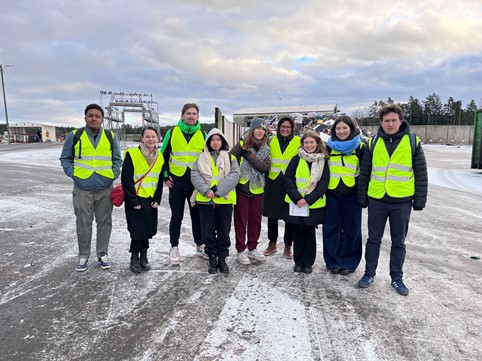
As part of our Sustainable.now course, a group of students and teachers from the Sustainable and Social Entrepreneurship bachelor degree program and exchange students visited the visiting centre Kahmari and the waste-sorting facility Topinoja, operated by Lounais-Suomen Jätehuolto Oy (LSJH). The Sustainable. now course was designed by a multidisciplinary group of researchers and teachers from the Universities of Turku, Helsinki, Oulu, Jyväskylä and the Lappeenranta-Lahti University of Technology. Anna Elkina acted as a responsible teacher for this specific course, along with Sanna Ilonen who was involved in the visit.
The purpose of the visit to the waste-sorting facility Topinoja was to get closer to the practices of sustainability. During the guided tour, we learned how different waste streams are sorted, processed, and directed toward reuse or final disposal. And we got a deeper understanding of how small decisions made in private households have consequences for the efficiency of the system. Also, observing the everyday routines of the facility helped us see the complexity behind practices that many of us normally take for granted.
During the visit, students took pictures at the site and then wrote interpretations connected to the content of the Sustainable. now course. In their photo artworks and follow-up discussions, they questioned everyday human routines and values, but also expressed hope that human creativity can challenge, and perhaps even defeat, consumerism.
Our visit was made possible by the Kahmari Visitor Centre and our guide Joonatan, and we are very thankful for their strong commitment to sustainability.
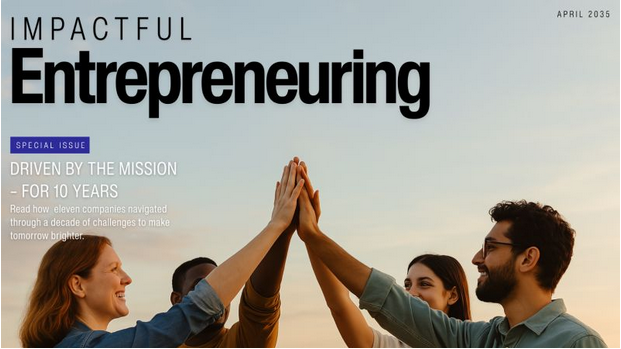
Students in the Social Value Creation through Entrepreneuring (YRe5) course were challenged to imagine stories about implementing entrepreneurial solutions to existing environmental and social problems, as if they were looking back from the year 2035. Working in teams, the students created 11 article-style interviews for a fictional magazine named Impactful Entrepreneuring. The teams brought their visions to life with powerful stories, images, and quotes. Designing and assembling the magazine has been a truly collaborative experience.
The creative interviews in the magazine propose solutions to a wide range of social and environmental challenges — from loneliness and mental health to unequal opportunities in education, malnutrition, plastic pollution, and urban air pollution. The students also thoughtfully anticipated the struggles and ethical dilemmas their socially oriented companies might face in the future.
The Impactful Entrepreneuring magazine was inspired by the concept of futures consciousness developed by Sanna Ahvenharju from Finland Futures Research Centre and her colleagues. It also draws on the ideas that emerged in the Transforming Enterprise Education (TrEE) project, in which the Entrepreneurship unit has been actively involved.
The YRe5 course is part of Co-op Network Studies. In 2025, the course run by Anna Elkina and Satu Aaltonen brought together more than 60 students from five Finnish universities.
Additional information:
anna.s.elkina@utu.fi and satu.aaltonen@utu.fi
Masters studies
Our master studies focus on enhancing research skills through courses related to theoretical perspectives, classics and current issues in entrepreneurship research and research methods. Master studies provide the opportunity to specialise in an interesting research area.
PhD studies
The primary purpose of PhD studies is the preparation of a piece of original entrepreneurship research. Our PhD studies are designed to train doctoral candidates as independent researchers, so that they can claim professional standing as academic staff or in a profession requiring skills in entrepreneurship research. PhD studies consist of a dissertation and PhD courses. The entrepreneurship research seminar series provides our doctoral candidates with excellent learning opportunities and also possibilities to discuss their PhD projects with peers and senior researchers and professors. In 2025, we benefited from the virtual research seminars and invited several guest speakers in addition to our own doctoral researchers. Additionally, international research visits and fellowships are encouraged as a part of the PhD process.
Dissertations in progress at the Entrepreneurship Unit
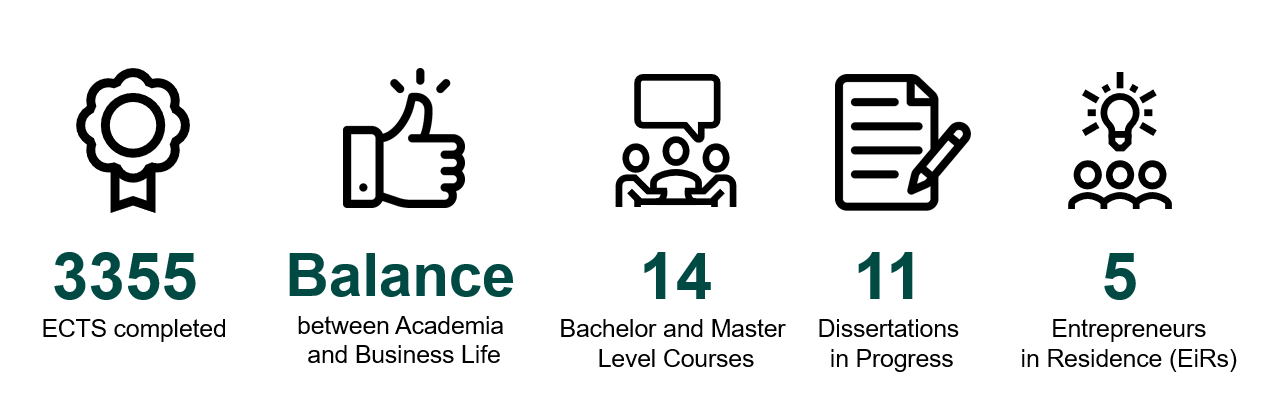
There are 11 active doctoral researchers in Entrepreneurship. The following doctoral researchers were employed by the Entrepreneurship Unit in 2025:
- Nasim Aryannejad: The Intersection of gender, ethnicity and religion: Network creation of migrant women entrepreneurs in Finland
- Subrata Karmakar: Effectual navigation of uncertainty through technology-enabled value co-creation: Entrepreneurs in making decision
- Qiujin Yu: Exploring Pivotal Elements and Challenges of Fostering Intrapreneurship in SMEs

Subrata Karmakar joined the Entrepreneurship Unit as a PhD student in January 2025. His research focuses on entrepreneurial decision-making during uncertainty in creative industries and digital technology’s role in it.
What brought you to Finland?
I arrived in Finland in October 2022 to pursue my second master’s degree in Global Innovation Management at the University of Turku. I became aware of Finland as a master’s destination through a work colleague and began researching the country in 2021. I was particularly drawn to Finland’s education system, its high ranking in terms of freedom and equality, its equal and low-hierarchy work culture, its emphasis on work-life balance and the country’s appreciation for nature. Having been accepted to the University of Oulu, the University of Jyväskylä and the University of Turku with scholarships, I ultimately decided to enroll at the University of Turku due to its strong research focus and international environment.
How did you join the Entrepreneurship Unit at the UTU?
During my master’s studies in Global Innovation Management, I found the entrepreneurship courses highly engaging. Having a family background in entrepreneurship, work experience in various startups and a short entrepreneurial journey, I naturally aimed to get involved with the Entrepreneurship Unit at the Turku School of Economics. However, I was unsure how to do so. Throughout the master’s programme, I became fascinated by the potential impact of research, which was largely due to conversations with educators, researchers and peers. I subsequently contacted the Entrepreneurship Unit at TSE to discuss its ongoing projects and my interests. Eventually, I applied for a PhD position and was fortunate to get accepted into the unit.
How have you experienced Finland during the first few months of your stay?
Upon arriving in Turku, Finland on 1st October 2022, I was immediately struck by its silence and the profound sense of peace it conveyed. As an avid nature enthusiast, I readily embraced forest hiking, fishing and walking. The city’s exceptional air quality made every moment spent outdoors particularly enjoyable. The summer was pleasantly extended by the long daylight hours while the snowy winter period was particularly enchanting. Most importantly, the welcoming and supportive teachers at TSE facilitated a seamless transition and provided numerous opportunities for interaction with both international and Finnish students.
What has been your experience of working in the unit so far?
Since joining the unit a year ago, I have gained valuable experience in research through the guidance of experienced and helpful academicians. I particularly appreciate the open-mindedness of the unit regarding research topics, methodology and data types. This also fosters a favorable environment for discussing a wide range of subjects beyond research. Such a supportive work environment encourages innovative thinking and strengthens the sense of community among colleagues, which has been crucial for my academic growth. The unit’s research seminars provide a great opportunity for researchers of all stages to present their work and engage in detailed discussions to improve respective projects. During the same session, PhD students and junior researchers can also share challenges they mostly encounter in their research for a thorough discussion. My supervisors and colleagues have been incredibly supportive and my interactions with them, along with peers, have only deepened my understanding of research.
What differences have you noticed between the education systems in Bangladesh and Finland?
The education systems of Finland and Bangladesh contrast sharply in their fundamental philosophies, structures and assessment methods. Finland prioritises equity, holistic student well-being and play-based learning characterised by minimal standardised testing, highly autonomous teaching with a universally free and uniform public school system. Conversely Bangladesh’s system has historically been highly stratified and heavily exam-driven relying on high-stakes board exams and a centrally-curated curriculum. However it has already started undergoing significant reforms to reduce rote memorisation. Additionally while Finland’s system is predominantly state-funded, Bangladesh features diverse educational streams (general, madrasah and English-medium) alongside a heavy reliance on out-of-pocket private tutoring. Overall Finland’s education system promotes innovation, independence and a more holistic learning experience which is refreshing and inspiring.
Other entrepreneurship education highlights
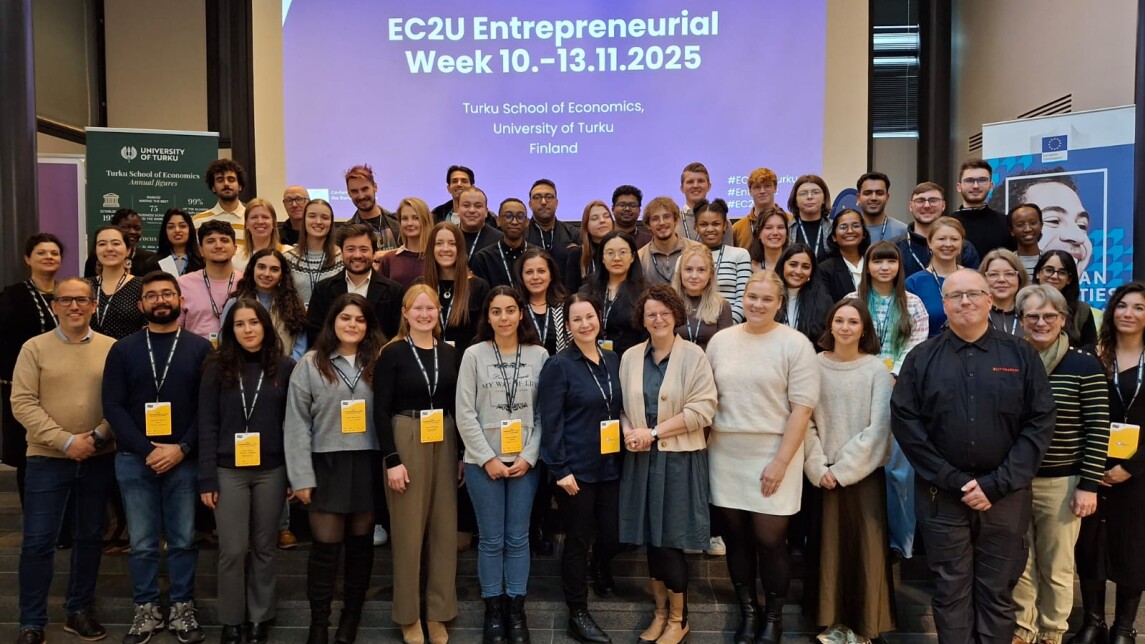
In November 2025, the Entrepreneurship Unit hosted the 5th EC2U Entrepreneurial Week at the University of Turku, bringing together students from universities across Europe to develop entrepreneurial skills through challenge-based learning and international collaboration.
Under the theme “Regenerative Entrepreneurship: Taking Responsibility to Create a Positive Future Together,” participants explored how entrepreneurship can contribute to sustainable and regenerative futures. The programme combined expert talks, workshops, company visits, networking activities, and intensive teamwork in multidisciplinary and international groups.
A central element of the week was work on real-world challenges provided by our Entrepreneurs-in-Residence. Student teams developed solutions related to sustainable event management, customer experience innovation, and scaling solo entrepreneurship. Throughout the week, participants refined their ideas with support from academic experts, entrepreneurs, and representatives of Turku's entrepreneurial ecosystem.
The programme featured contributions from researchers, educators, and practitioners from across the EC2U Alliance and beyond, exposing students to diverse perspectives on entrepreneurship, creativity, sustainability, communication, and innovation. Visits to local entrepreneurial organizations and interactions with start-up community representatives provided additional opportunities to connect theory with practice.
Beyond the academic programme, the week encouraged intercultural learning and collaboration. Working closely in international teams allowed participants to exchange ideas, challenge assumptions, and experience first-hand how diversity can strengthen entrepreneurial thinking and problem-solving.
The Entrepreneurship Unit coordinated the event as part of the EC2U Alliance's efforts to promote entrepreneurship education and international collaboration. The week concluded with team presentations to a jury panel, showcasing innovative solutions developed during the programme and highlighting the collaborative spirit of the participants.
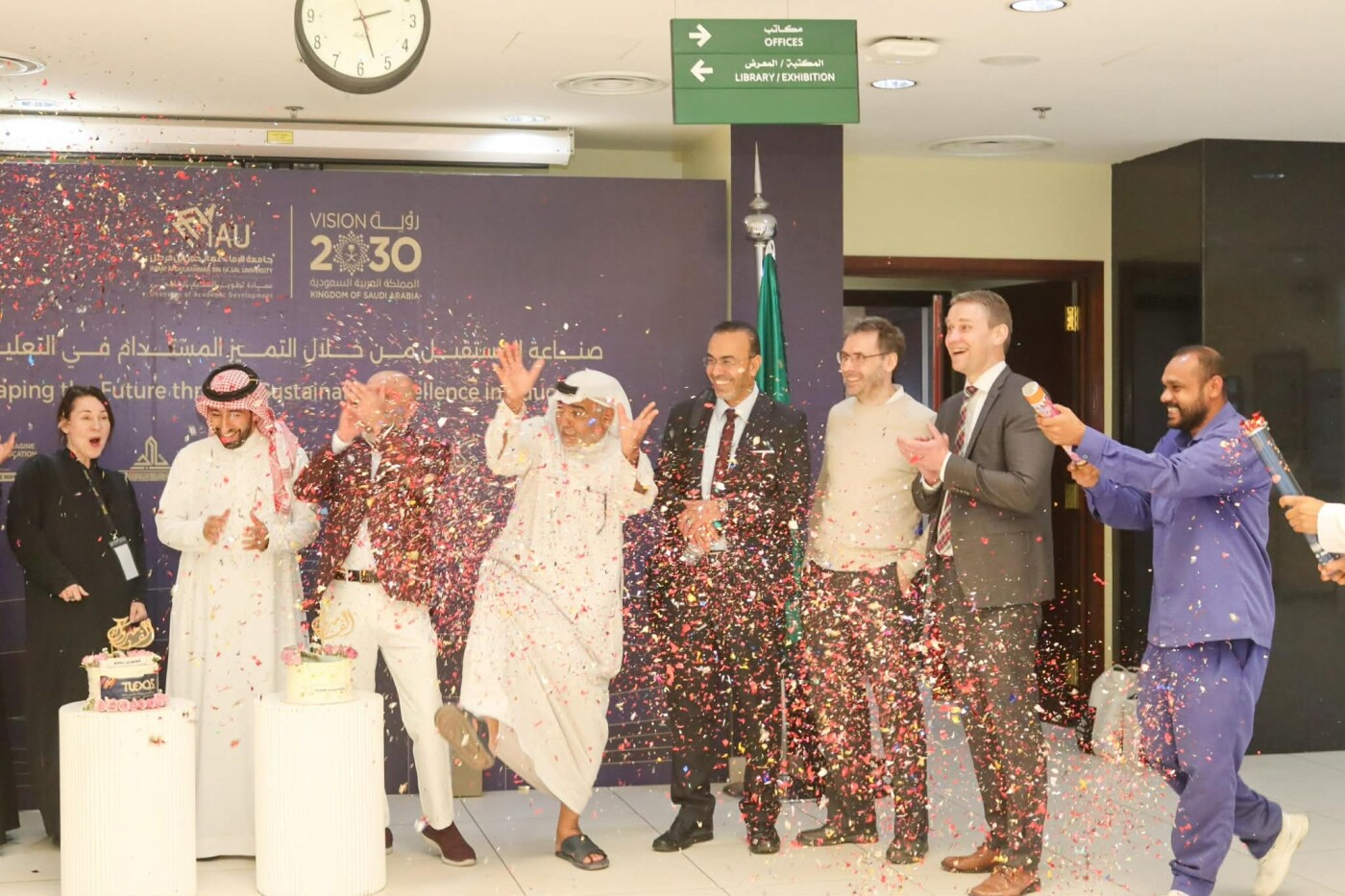
In May 2025, Sanna Ilonen and Joachim Ramström contributed to our education export by delivering a training for educators and university leaders in Imam Abdulrahman Bin Faisal University, Dammam, Saudi Arabia. The workshop, titled “Enhancing Graduate Capabilities Through Teaching and Learning,” focused on strengthening pedagogical practices and supporting institutions in developing future‑ready graduates. The training was a part of 6th Annual University Teaching & Learning Exhibition (TLEX25) of the university.
This training continued our longstanding collaboration, which began in 2019, and further reinforced our commitment to advancing global partnerships in higher education and capacity building. The collaboration will continue also in 2026.