Highlights from our research projects in 2025

The 3-year research project (2024-2027) 'Creative economies’ value creation for Finland’s success and well-being’ (CREVELL) is funded by the Finnish Cultural Foundation based on a targeted call ‘Additional Million euro Funding to Science’ with a focus on the success and well-being of Finnish businesses and creative sectors. The purpose of CREVELL is to investigate the current and future role of creative economies’ value creation in Finland’s success and well-being.
The CREVELL project draws from a vast amount of existing interview and survey materials collected in our previous research projects (DISCE and ECOCRIN) on creative economies. Furthermore, at the final phases of the project we will organise Future Scenario Workshops for Finland’s success and well-being.
During 2025 the senior researchers of the team have been preparing several manuscripts related to the CREVELL aims and contents from different angles such as needs and policies of innovative creative ecosystems, motivations of creative entrepreneurs, viability of creative ecosystems, and policy designs for advancing entrepreneurship. The CREVELL grant has made it possible for Prof. Ulla Hytti to visit Audencia Business School, France for two months at the end of 2025. Furthermore, Subrata Karmakar has conducted his PhD research on technology-enabled value co-creation in creative industries (see Subrata’s interview).
Alongside conducting the CREVELL research project, the team has busy prepared some applications for forthcoming and related studies on value creation and entrepreneurship in creative and cultural sector in Finland. This has included identifying new national and international collaborations, such as with the University of the Arts, Helsinki. In 2026 the CREVELL project continues by finalising the manuscripts which are currently in the process and starting with complementary aspects feeding in to the study aim.
The study is conducted by a research team which has worked together in previous research projects investigating creative economies. The CREVELL project In studying creative economies we integrate our competences in business studies, particularly entrepreneurship, and in education studies, futures studies and cultural heritage studies. The research team in the Entrepreneurship Unit includes Professor Jarna Heinonen (jarna.heinonen@utu.fi), who is the Principal Investigator of the project, Senior Researcher Kaisa Hytönen (kaisa.hytonen@utu.fi), Senior Researcher Tommi Pukkinen (tommi.pukkinen@utu.fi), Adjunct Professor, Senior Research Fellow Pekka Stenholm (pekka.stenholm@utu.fi), Professor Ulla Hytti (ulla.hytti@utu.fi), and Adjunct professor Katriina Siivonen (katriina.siivonen@utu.fi) from the Finland Futures Research Centre. In addition, two doctoral students in Entrepreneurship are engaged with the CREVELL to investigate value co-creation in music industry, particularly.
ECOCRIN (Sustainable and innovative creative ecosystems: Ecological Approach to Policy Innovation for Creative Sectors in Finland), a research project funded by Business Finland and conducted in collaboration with Turku School of Economics Entrepreneurship Unit, Finland Futures Research Centre and Turku School of Economics Pori Unit, came to its end in 2025.
The growth and innovation potential of the creative sectors is well recognised in Finland and globally, yet its impacts have largely remained unrealised. Overlooking this creative potential may also jeopardise the economic sustainability of the already fragmented creative sectors. The aim of the ECOCRIN project was to identify solutions for unlocking this potential by mapping the needs of creative ecosystems at the grassroots level, examining innovation and cultural policy frameworks in light of these needs, and developing a model for creating synergies between cultural and innovation policies together with local, regional, and national actors and stakeholders. Overall, the project sought new ways to design and implement policies that promote the sustainable growth and innovation of creative ecosystems.
Empirically, the ECOCRIN project was carried out at regional, national, and international levels. During 2025, ECOCRIN researchers focused on data analysis and reporting and disseminating the results. We built a comprehensive ecosystem mapping, which identified the key stakeholders that support sustainability and emergence of cultural and creative sectors. We identified the needs of creative ecosystems for achieving sustainable futures at the grassroots level. Further, we conducted a policy analysis to identify existing national, regional and local cultural and innovation policies and to examine how well they are aligned with the bottom-up needs of the creative ecosystems.
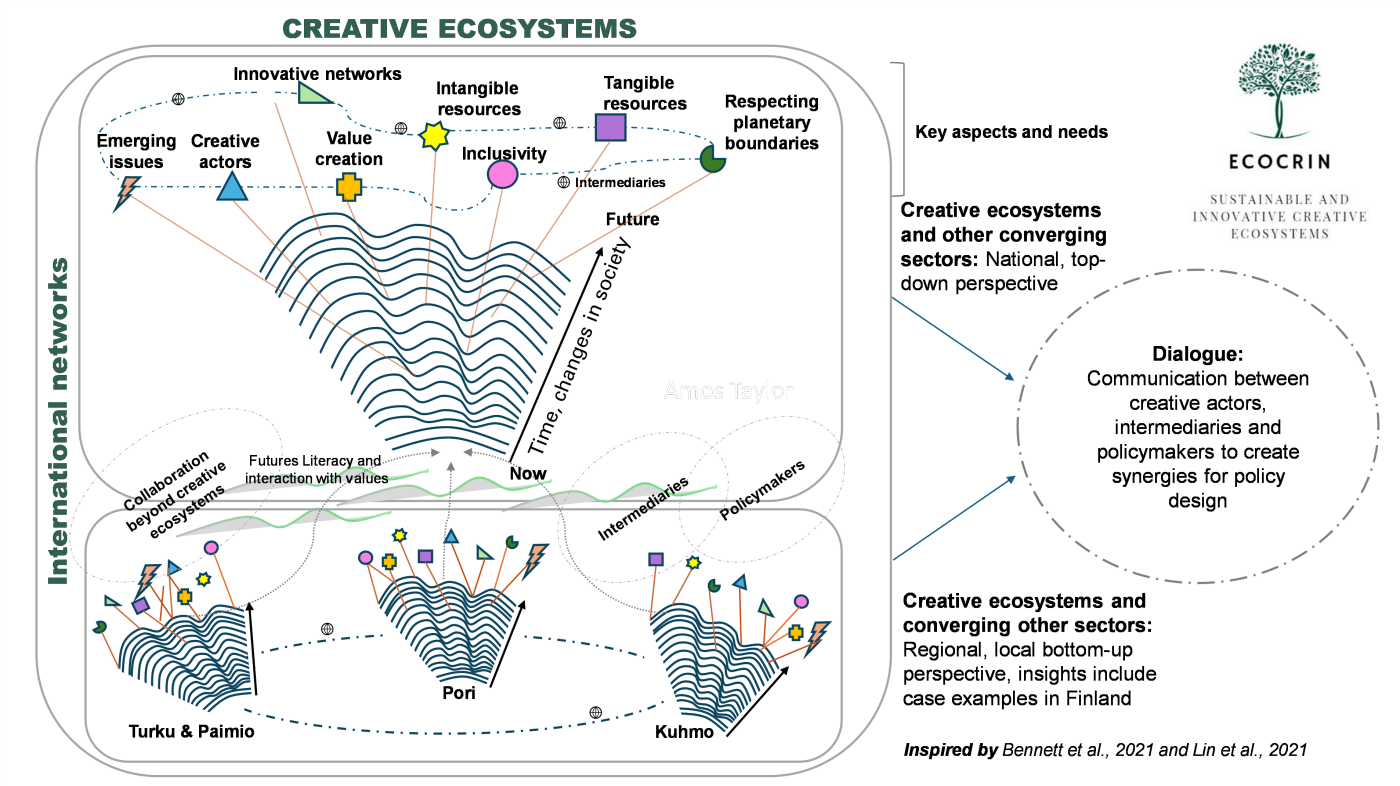
Figure 1. A dynamic model for an ecological approach to policy design for Finnish creative ecosystems
Based on the empirical findings, we developed a dynamic model for policy design and implementation. A dynamic model for an ecological approach to policy design for Finnish creative ecosystems is a tool for understanding the needs of grassroots creative actors, identifying key aspects of creative ecosystems, and designing policy instruments that effectively address those needs. The model aims to improve grassroots creative ecosystem policies by bringing cultural and innovation policy closer together. The model is freely available and intended as a living tool for policymakers, intermediaries, and creative actors to inspire their thinking about creative ecosystems and to support bottom‑up and dialogical policy design. It can be used flexibly and adapted to users’ various needs and starting points. Stakeholders received the model with enthusiasm. In particular, the model’s emphasis on promoting collaborative practices was seen as empowering in periods of declining resources in the creative sectors.
The research project was conducted in 1.10.2023–30.10.2025. The research team in the Entrepreneurship Unit included Professor Jarna Heinonen (jarna.heinonen@utu.fi), being the Principal Investigator of the project, Senior Researcher Kaisa Hytönen (kaisa.hytonen@utu.fi), Senior Researcher Tommi Pukkinen (tommi.pukkinen@utu.fi) and Senior Research Fellow Pekka Stenholm (pekka.stenholm@utu.fi). More information on the project and the results from the project website: https://sites.utu.fi/ecocrin/
The HI-GEE project explores the role of highly educated immigrants as employees and entrepreneurs in promoting business growth. You can read about the project in Finnish from the Foundation for Economic Education’s website.
Finland’s future depends on addressing skill shortages – and international talent could be a crucial part of the solution. Although many immigrants work in services, their potential to boost national competitiveness remains underused. Finnish SMEs are less international than those in many other countries, and few operate in export markets. Bringing in global talent could help change that by adding new expertise, networks, and perspectives.
Thousands of international students graduate from Finnish universities each year hoping to stay, yet many leave because finding work is difficult. Those who remain are increasingly turning to entrepreneurship. While immigrant entrepreneurship is often seen as small‑scale or survival‑driven, many immigrant founders in Finland have already built growing, international companies – even achieving major exits.
Aims and focus
Our research project examines how international talent contributes to the growth and internationalization of Finnish SMEs – both as employees and as entrepreneurs. In 2025, the HI‑GEE project focused on data collection from two key groups: immigrant entrepreneurs in Finland and Finnish SMEs that are recruiting, or have the potential to recruit, international talent.
We are exploring questions such as:
- How do Finnish SMEs approach the recruitment of international talent?
- What challenges do immigrant entrepreneurs face when starting and scaling their businesses?
- How can international talent support Finnish SMEs in entering and expanding in global markets?
This project builds on previous research on the experiences of international professionals in Finland and in Finnish labour markets (www.hiwe.fi). It’s also closely connected to ongoing doctoral studies on immigrant entrepreneurship within the unit.
In 2025, our international expert Professor Natalia Vershinina from Audencia visited us in May 2025. We also participated research workshops and conferences to present our preliminary research findings – People and Business on the Move conference in October 2025 and the RENT conference in November 2025.
The team
Professor Ulla Hytti is the project PI, working alongside a dedicated team, including postdoctoral researcher Anna Elkina, senior researcher Tommi Pukkinen, researcher Satu Aaltonen, and research assistant Arlette Numutali. In 2026, Anna Elkina will be visiting London School of Economics, the UK, where she will continue her research in this topic. Her research stay is funded from Post Doc Pool / the Foundation for Economic Education.
Research visits
Research visits remained an important part of our international activities in 2025. We welcomed several visiting scholars and research groups to the University of Turku while our staff conducted research visits to partner universities abroad. These exchanges strengthened international collaboration, supported ongoing research projects, and created new opportunities for future cooperation.
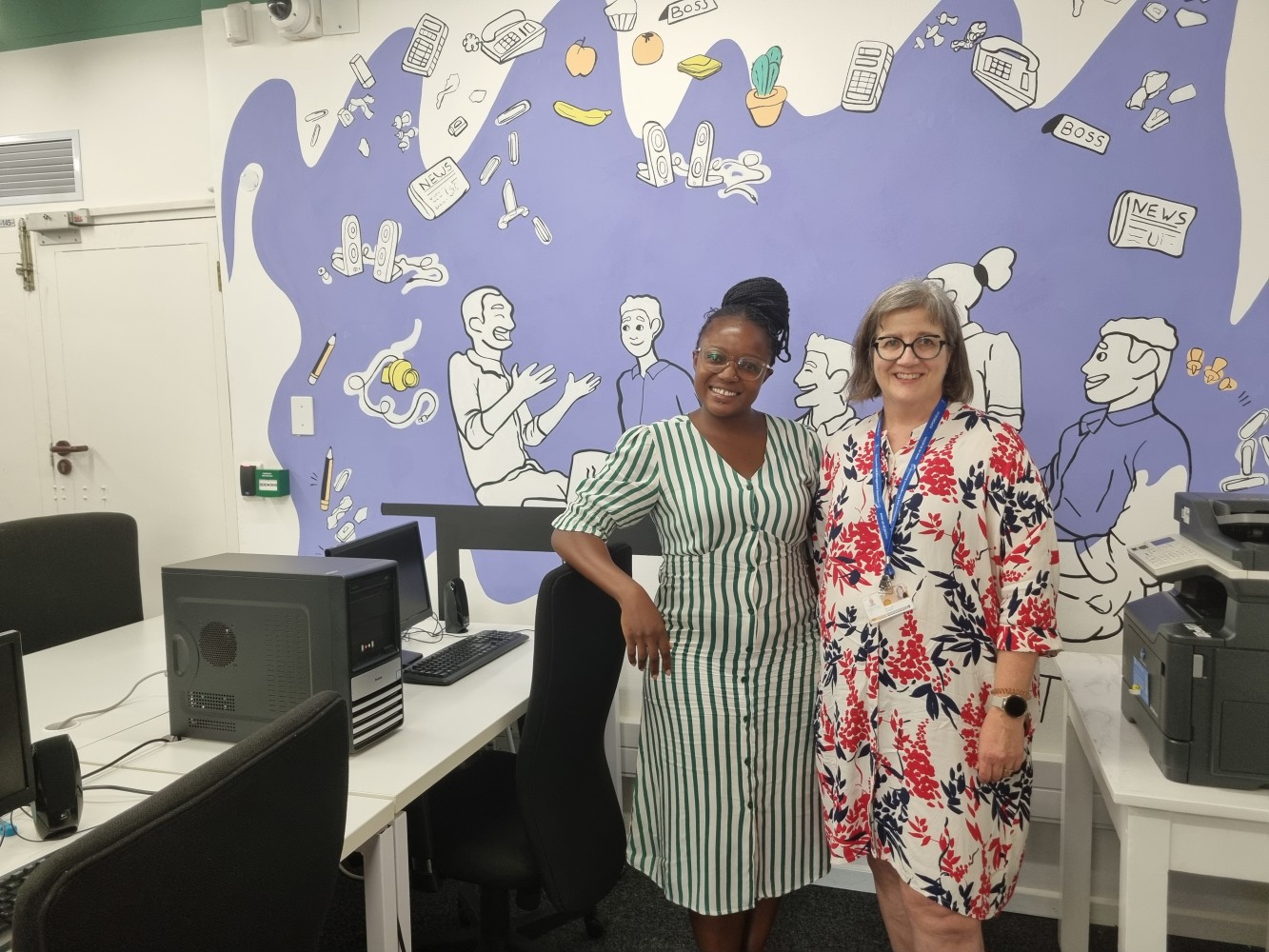
In spring 2025, the Entrepreneurship Unit welcomed Professor Sonali Das, Professor Alex Bignotti, and doctoral researcher Kenny Kutu from the University of Pretoria, South Africa, as part of the ongoing collaboration between the two universities.
Professor Alex Bignotti visited the Unit through the Erasmus+ staff mobility programme. During his stay, he introduced a course on social innovation, delivered a lecture on conducting systematic literature reviews, and participated in co-teaching activities with colleagues from the Entrepreneurship Unit.
Professor Sonali Das contributed to the Unit's academic activities through a lecture on sustainability and climate risk research, workshops on quantitative research methods and crafting an effective academic CV, as well as active participation in research seminars and discussions with faculty members and doctoral researchers.
The visit strengthened the long-standing partnership between the University of Turku and the University of Pretoria, fostering new ideas, mutual learning, and opportunities for future collaboration in entrepreneurship research and education.
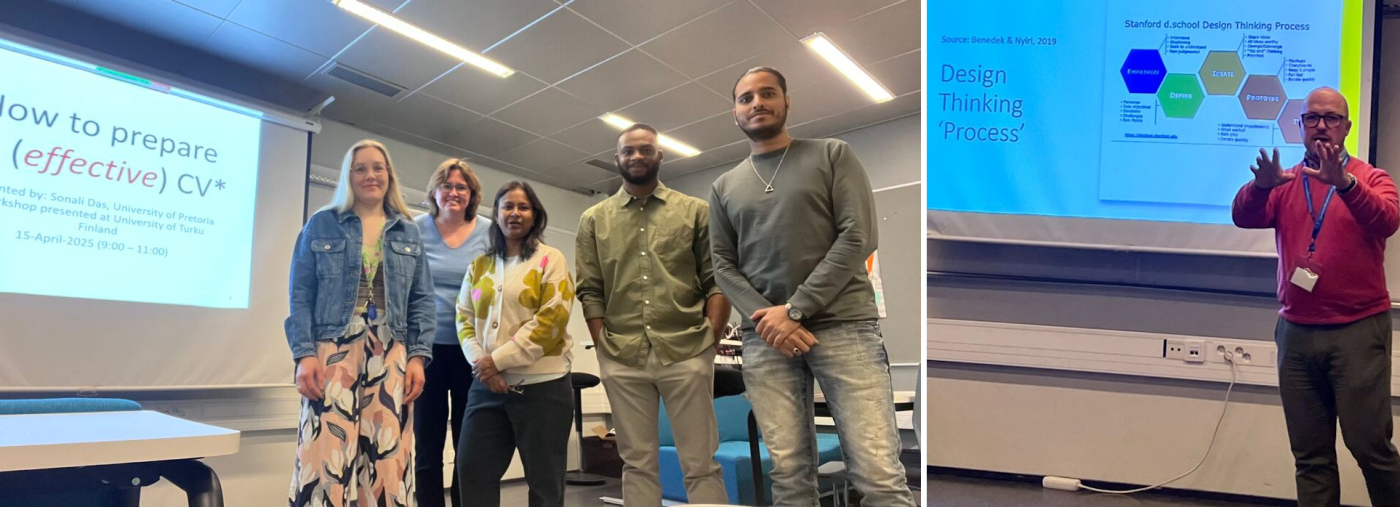
a lecture.
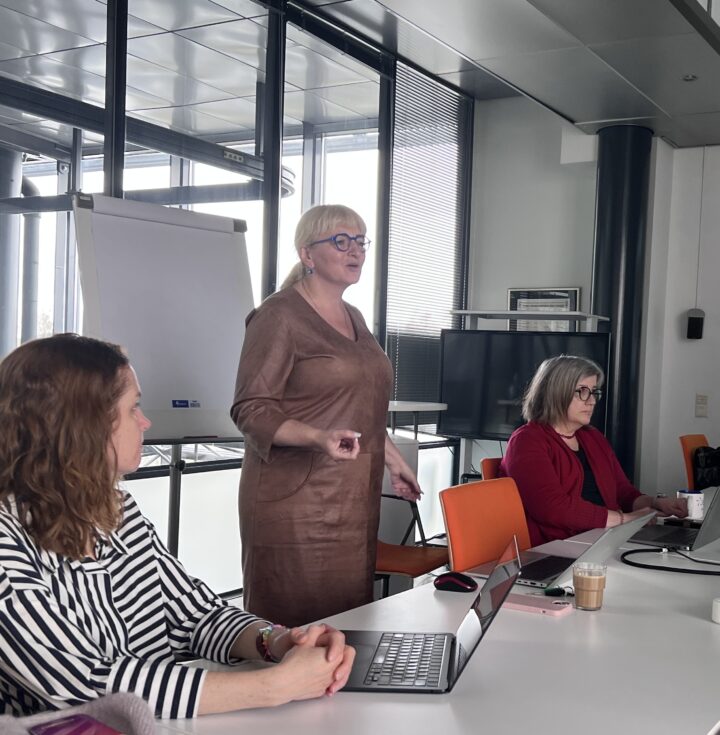
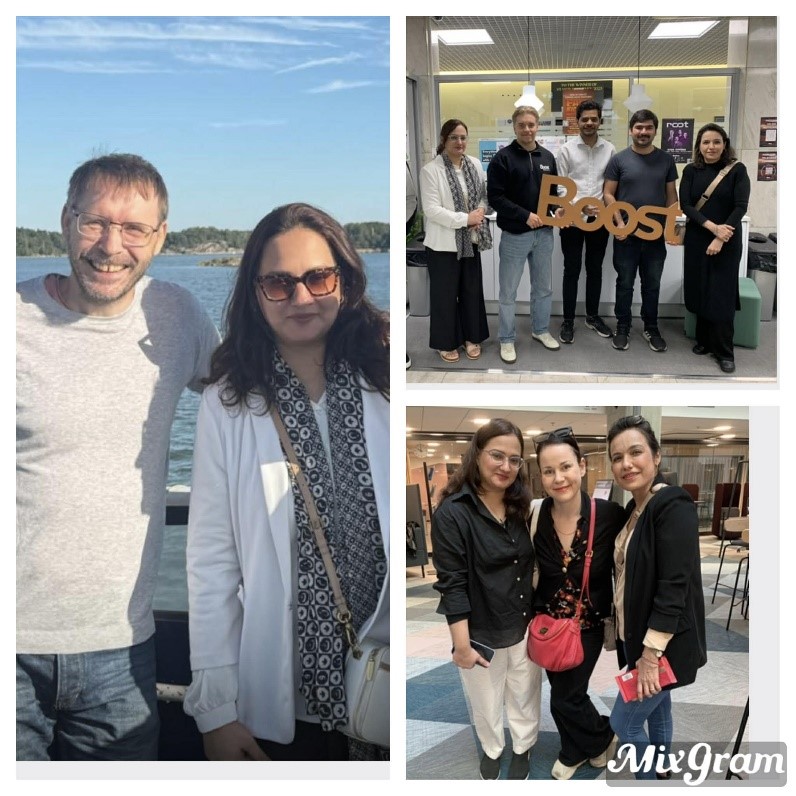
In early September 2025, we had the pleasure of hosting distinguished visitors from the Center for Entrepreneurial Development (CED), Institute of Business Administration (IBA) Karachi, Pakistan. The delegation included Professor Lalarukh Ejaz, Director of CED, and Nimra Kamran, Unit Head.
During their visit from 1-5 September 2025, the guests engaged in a rich programme of collaboration and exchange. Highlights included:
- A joint session with the entrepreneurship research and teaching faculty at the Turku School of Economics, including a meeting with Vice Dean of Education, Professor Jarna Heinonen.
- Visits to local incubators, accelerators, and selected startup teams.
- Interactions with local business and startup communities as well as Pakistani and international students at UTU.
- A final day dedicated to debriefing, policy discussions, and a guided tour focusing on entrepreneurship-focused facilities.
This visit strengthened our international collaboration in entrepreneurship education, research, and ecosystem development.
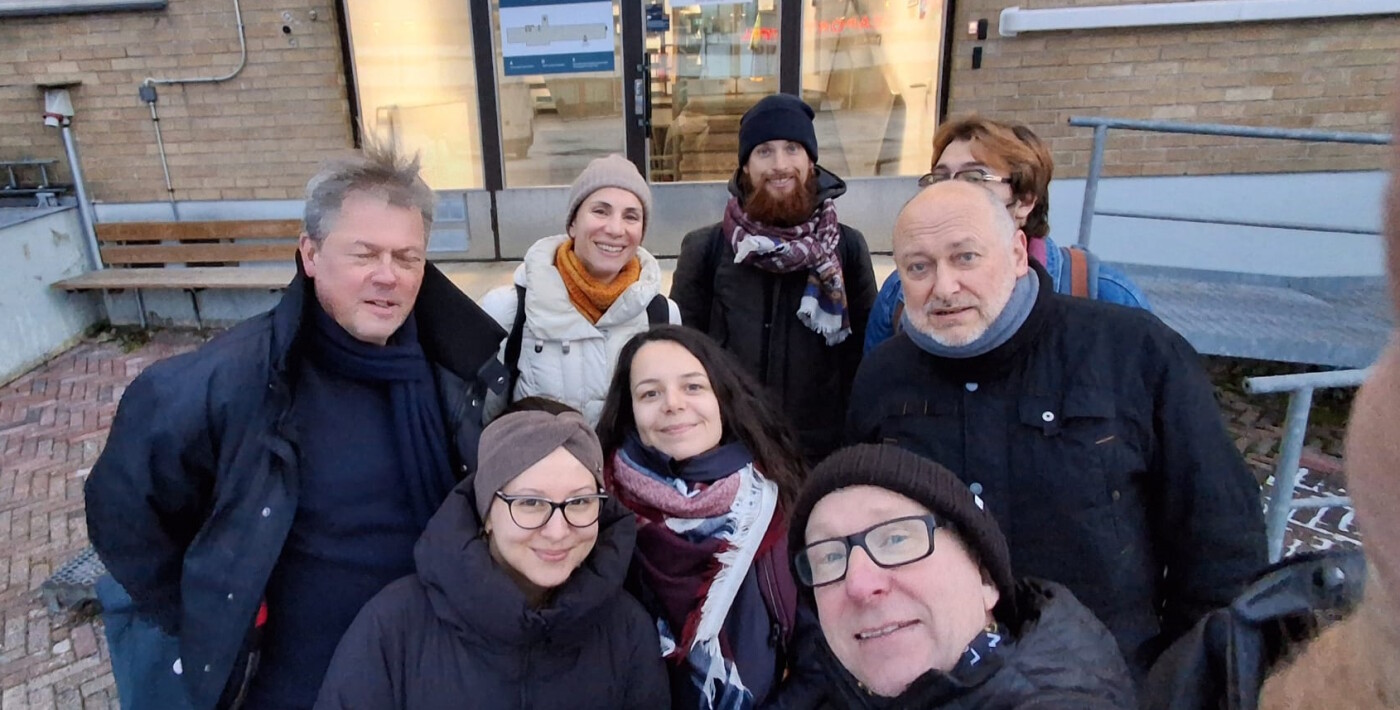
The R‑SQUAD (https://www.r-squad.eu/), established in 2024, is a pioneering French‑German research team uniting scholars from the University of Applied Sciences Kehl and the University of Strasbourg. The group, led by Professor Emmanuel Müller (UAS Kehl), is dedicated to advancing resilience analyses and policies, with a strong focus on anticipating major crises, managing extreme events at local and regional levels, and developing forward‑looking resilience strategies.
In November 2025, the R‑SQUAD delegation visited us to explore research collaboration and expand its international partnerships. The visit provided a platform for rich academic exchange with TSE faculty, discussions on shared research priorities and possible complementary expertise across institutions. The conversations focused on areas, such as resilience, innovation, and sustainable regional development, to explore opportunities for joint project acquisition, doctoral and executive education cooperation.
Alongside with the general discussions, the visit encompassed a research seminar in which our PhD students, Subrata Karmakar and Nasim Aryannejad and Mats Gnamm (HSK-Unistra) and Lise Martins (Nourry, Paris Valdespino) presented their research. In addition, the visit included a visit to the Port of Turku.
In the autumn of 2025, the Entrepreneurship Unit further strengthened its long-standing collaboration with Audencia Business School in Nantes, France, through research visits by both Professor Ulla Hytti and doctoral researcher Nasim Aryannejad.
Ulla spent two months at Audencia as a visiting researcher, advancing several research projects, developing new collaborations, participating in research seminars, and continuing doctoral and master's thesis supervision. The visit provided dedicated time for research while deepening ties with Audencia's entrepreneurship scholars.
Nasim's research stay offered an opportunity to engage closely with the international research community at Audencia. During her visit, she participated in scholarly discussions, attended research seminars by leading entrepreneurship researchers, and expanded her international academic network.
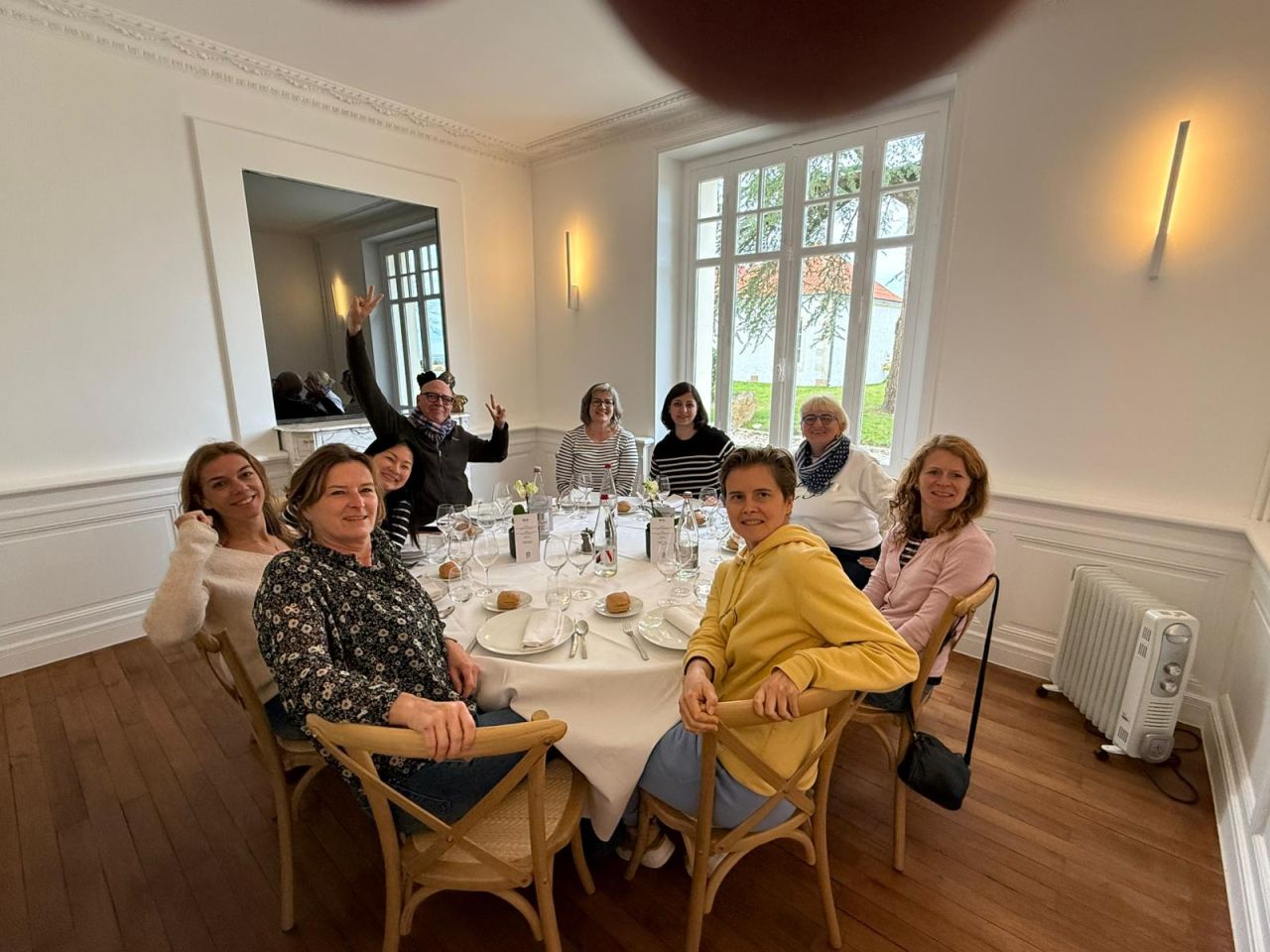
A particular highlight of both visits was a two-day writing retreat held in the French countryside at the beginning of November. The retreat provided a dedicated space for focused writing and manuscript development. Set in a peaceful lakeside environment, it combined concentrated writing sessions with opportunities for discussion and reflection. The retreat, and the research visits more broadly, underscored the value of stepping away from everyday routines to focus on research while strengthening collaborative ties between the two institutions.