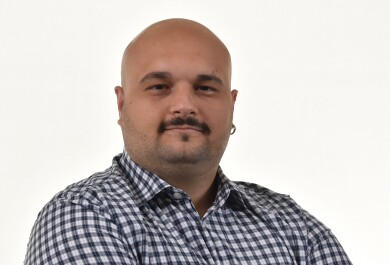
Väitös (markkinointi): MBA Isadora Gasparin
Aika
MBA Isadora Gasparin esittää väitöskirjansa ”Expanding the Understanding of Omnichannel Customer Journeys: An Experience Perspective” julkisesti tarkastettavaksi Turun yliopistossa keskiviikkona 24.6.2026 klo 13.15 (Turun yliopisto, Turun kauppakorkeakoulu, Lähitapiola-sali, Rehtorinpellonkatu 3, Turku).
Vastaväittäjänä toimivat professori Christina Kühnl (University of Stuttgart, Saksa) ja professori Hugh Wilson (University of Warwick, Iso-Britannia). Kustoksena toimii professori Elina Jaakkola (Turun yliopisto). Tilaisuus on englanninkielinen. Väitöksen alana on markkinointi.
Tiivistelmä väitöstutkimuksesta:
The journey metaphor has been used in marketing to describe the process a customer goes through to purchase, access, and use an offering, such as a product or service. In this journey, customers move between websites, apps, stores, social media, news, and conversations with friends and family as they consider, buy, and use them. This is why today’s journeys are considered omnichannel, combining online and offline channels.
Much of marketing research has examined this journey mainly from the company’s point of view, focusing on what happens within channels that the company controls. This leaves out many moments that strongly shape what customers think and feel. In contrast, this dissertation develops an experience‑centered view of the omnichannel customer journey. Instead of starting with company processes, it starts with customers’ lived experience across the many actors and places that influence it. The research combines qualitative interviews with consumers and a review and synthesis of existing studies to build a clearer picture of how experiences form and change throughout the journey.
The findings show that journeys are multi‑actor processes that extend well beyond the focal firm. Family members, friends, other customers, influencers, news media, and independent organizations all contribute to the experience. At each of these interactions, customers respond to elements such as information, design, and service. Some responses are short‑lived; others have enduring effects that carry forward and alter what happens next. Customers also assess whether different parts of the journey connect and make sense together. Coherence matters, yet the research shows that people can still have positive experiences even when not every step in the journey is well aligned.
What is new here is a shift from a firm‑centric to an experience‑centric understanding of the journey, together with a more dynamic account of how experiences emerge and evolve across interactions with different actors. The dissertation broadens the frame of who “counts” in the journey and links the journey to customers’ broader goals and activities, not just purchasing.
These insights have implications for both research and practice. For theory, they suggest that customer journeys should be studied as processes that extend beyond organizational boundaries and change dynamically under the influence of many different actors. For practice, they suggest that journey design and management should take into account influences outside the firm’s direct control. By placing the customer’s experience at the center, the dissertation offers a more realistic foundation for understanding the journeys people actually take.