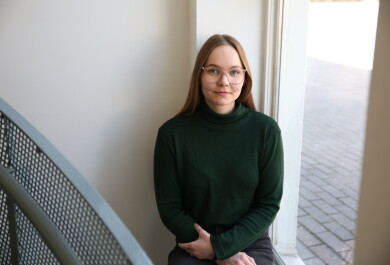
Väitös (ihmismaantiede ja aluesuunnittelu): MSc Karin Torpan
MSc Karin Torpan esittää väitöskirjansa ”Tenure transitions and residential mobility of migrants: evidence from three welfare states” julkisesti tarkastettavaksi Turun yliopistossa perjantaina 30.1.2026 klo 14.15 (Tarton yliopisto, Senate Hall, Ülikooli 18, Viro).
Vastaväittäjänä toimii tohtori Rikke Skovgaard Nielsen (Aalborg University, Tanska) ja kustoksena professori Jussi Sakari Jauhiainen (Turun yliopisto). Tilaisuus on englanninkielinen. Väitöksen alana on ihmismaantiede ja aluesuunnittelu.
Yleisön on mahdollista osallistua väitökseen myös etäyhteyden kautta. https://ut-ee.zoom.us/j/98063699366?pwd=sMxYaZ25W94ZocH9rGiWTJ9DWjEIMK.1 (Meeting ID: 980 6369 9366, pääsykoodi 289312).
Tiivistelmä väitöstutkimuksesta:
International migration to developed countries is at a record high. Although immigrants help alleviate the pressure of an aging population as well as labor and skills shortages across Europe, the influx also poses challenges for the host country. One key problem is housing immigrants in an already complicated housing market.
The doctoral thesis analyzed the life paths of newly arrived immigrants to Helsinki, Stockholm, and Oslo to better understand place-based integration. The study used rich longitudinal population data to examine the overlap between housing status changes, like moving from renting to homeownership, and residential mobility, i.e. immigrants moving to better neighborhoods over time. Immigrants usually start out as tenants in lower-income neighborhoods. The research explored how personal factors, such as income and cities housing structure influence their housing path. Secondly, the study examined how immigrants find employment in a new country, analyzing workplace segregation and industrial niching.
Immigrants’ residential integration is shaped by individual resources, structural conditions, and institutional constraints across work and residence domains. Different housing policies in cities form immigrants’ different opportunities of both tenant and owner status and the move to higher-income neighbourhoods. Helsinki's housing policy and social benefits enable immigrants to find stable housing relatively quickly, allowing them to move up in the labor market. In Stockholm, however, high real estate prices and limited availability of rental accommodation limit movement to better residential areas. In central Oslo, a strong social policy framework supports integration, and the housing market is skewed towards ownership, which increases immigrants' opportunities to become homeowners and thus accumulate wealth, but affordable housing is often located in low-income and highly segregated areas.